
If you are planning to buy a home in the Austin metro area, you are likely facing the most significant fork-in-the-road decision of your search. It usually isn’t a question of whether to live in the area, but rather a choice between two distinct directions: North vs. South.
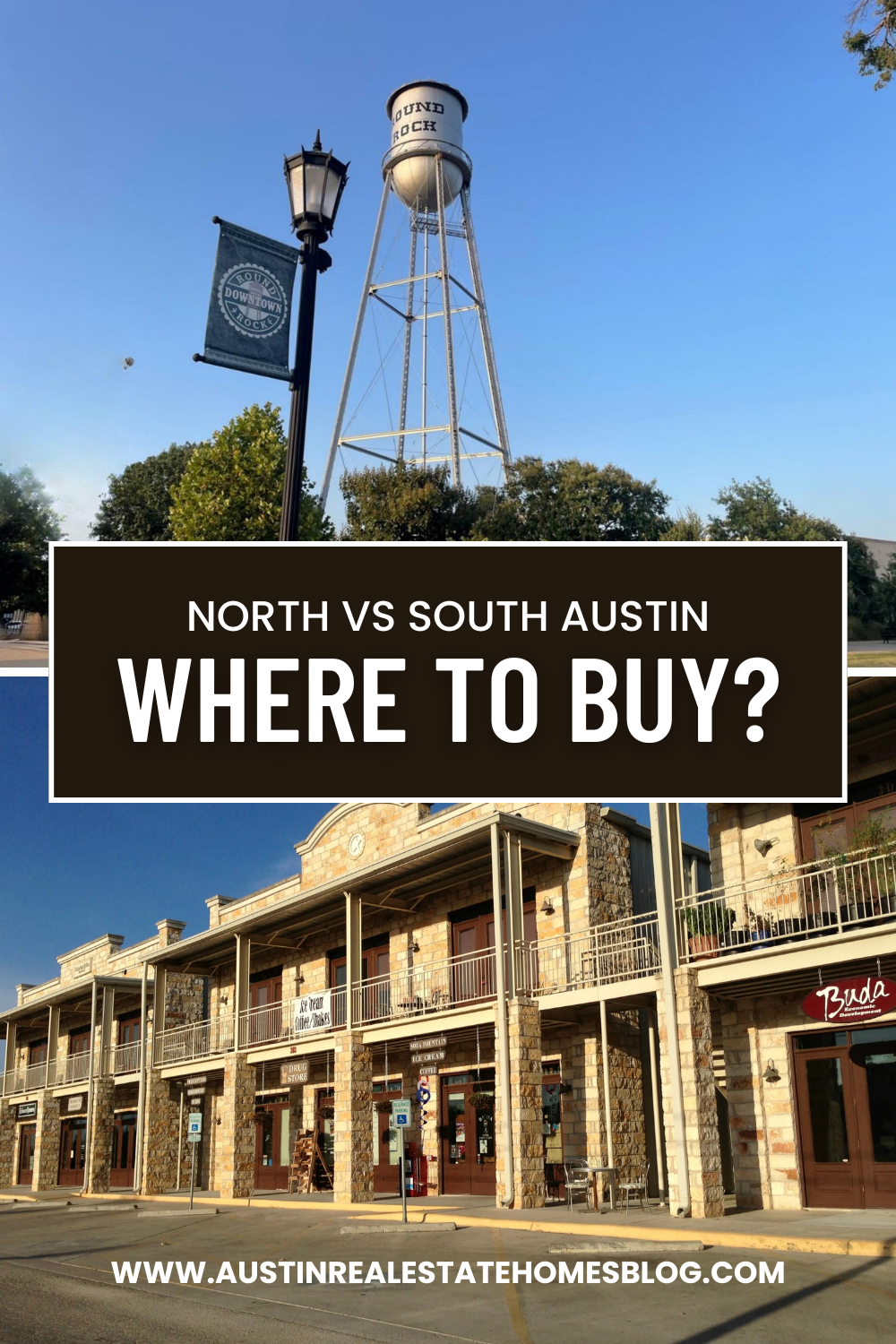
Both halves of the metro area offer robust job access, solid long-term demand drivers, and plenty of that distinct “Austin” personality. However, they differ in ways that materially impact your daily life and financial bottom line. We are talking about differences in commute patterns, housing stock, lot sizes, school boundaries, tax layers, and lifestyle amenities.
For a deep dive into the specific North Austin suburbs, see our North Austin Suburb Showdown.
For the specific South Austin suburbs, see our South Austin Suburb Showdown.
This comprehensive guide breaks down the differences like a real estate analyst would—moving beyond a “vibe-only” debate to look at the hard data. We will compare culture, job access, pricing, property tax realities, and the specific suburbs that define each region.
Whether you are relocating for a job in the tech sector or looking for a quiet retreat in the Hill Country, this guide will help you decide which side of the river belongs in your future.

1. The “Big Picture” Differences
Before diving into the data, it helps to understand the general identity of each region.
North Austin: Polished and Connected
The Snapshot: Convenient access to major tech campuses, newer master-planned communities, and strong suburban amenities.
North Austin encompasses everything from the inner-ring neighborhoods like North Loop and Crestview up to the rapidly expanding suburbs in Williamson County. This area is characterized by a high share of newer housing inventory, master planned communities, and subdivisions designed with community infrastructure in mind. It offers direct proximity to many large employers, particularly in the tech sector.
South Austin: Classic Culture and Hill Country Access
The Snapshot: More "classic Austin" energy closer to the city center, faster access to the Hill Country, and strong value in the I-35 suburbs.
South Austin stretches from the iconic zip codes of 78704 and 78745 down toward Hays County. It is known for maintaining a connection to local culture, outdoor amenities, and a more relaxed pace. As you move further south into Buda, Kyle, and Dripping Springs, you find a mix of affordability and luxury rural living.
2. Culture, Vibe, and Day-to-Day Life
The North Austin Vibe: Practical and Plugged-In
North Austin tends to feel polished and highly functional. As you move outward into suburbs like Cedar Park, Leander, Round Rock, and Hutto, the environment feels more "planned."
- Convenience-Oriented: Life here is efficient. You are rarely far from major retail centers, big-box stores, new chain restaurants, and youth sports complexes.
- Tech-Adjacent: The community demographics and commute patterns are heavily influenced by the presence of major tech employers.
- Structured: If your week revolves around commuting to a major campus, transporting children to activities, or accessing shopping and services without crossing the river, North Austin wins on sheer practicality.
The South Austin Vibe: Creative and Outdoorsy
South Austin feels more eclectic and lifestyle-driven. It retains a connection to the "Old Austin" spirit that many transplants are looking for.
- Lifestyle-Driven: Closer to the city, you will find independent coffee shops, local dining, and live music venues.
- Hill Country Adjacent: As you move west toward Dripping Springs, the vibe shifts to "porch, trail, and patio" energy.
- Eclectic: If your weekends revolve around greenbelts, breweries, and being closer to the city’s iconic cultural core, South Austin often feels like "Austin proper," even when you are buying in the suburbs.

3. Housing Stock: What You Actually Buy
North Austin: Master Plans and Amenities
A significant portion of North Austin's growth over the last two decades has been driven by master-planned communities.
- Inventory: You will see a higher share of 3–5 bedroom homes in planned neighborhoods.
- Features: Expect newer energy codes, modern layouts, and community-centric amenities like pools, parks, and trails.
- Construction Era: Mid-2000s to brand-new construction dominates many areas.
South Austin: Character and Custom Builds
South Austin offers a more "mixed" bag of housing options, depending on how far south you go.
- Inner South: Older housing stock, mid-century renovations, and significant neighborhood variety.
- Suburban South: In Buda and Kyle, you will find plenty of newer builds, often at competitive price points compared to the north.
- Western South: In Dripping Springs and Driftwood, the product mix shifts toward larger lots, Hill Country-style builds, and newer custom homes that prioritize land and views.
4. Pricing Trends and Market Snapshots
Home prices vary by neighborhood and school boundary, but examining recent market indicators gives us a helpful baseline for 2026.
North Suburb Price Snapshots (Median Sale Prices, Dec 2025)
- Cedar Park: $515,000
- Liberty Hill: $510,000
- Leander: $465,000
- Georgetown: $460,000
- Round Rock: $443,000
- Pflugerville: $400,000
- Hutto: $345,000
- Jarrell: $269,000
South Suburb Price Snapshots (Median Sale Prices, Dec 2025)
- Driftwood: $945,000
- Dripping Springs: $610,000
- Buda: $362,000
- San Marcos: $361,000
- Kyle: $327,000
What This Means for Buyers
- The Value Play: Kyle, Jarrell, and Hutto remain the value leaders.
- The Premium: Dripping Springs and Driftwood command a premium reflecting their Hill Country location and land sizes.
- The Mid-Range: If you are looking for newer housing under the $500k mark, you will find options on both sides—usually trading off commute convenience (North) for lifestyle access (South).
5. The Hidden Cost: Property Taxes
In Texas, property taxes are not a footnote; they are a central part of your affordability calculation. Your total tax bill is a layer cake of County, City, School District, and sometimes special district (MUD/WCID) taxes.
North Austin / Williamson County
The North can be highly variable regarding taxes.
- Layering: You must look at the specific combination. For example, Leander ISD has a different rate than Round Rock ISD.
- City Taxes: These vary significantly. Leander's city rate differs from Cedar Park's.
- Example: A home in a new MUD in Liberty Hill might have a significantly higher total tax rate than an older home in central Round Rock.
South Austin / Hays County
The South is equally variable, particularly where fast-growth infrastructure is being built.
- Districts Matter: The difference between Hays CISD and Dripping Springs ISD rates can be material.
- Infrastructure Costs: In areas like Kyle, MUDs and special districts often layer in to pay for water and roads, impacting your monthly payment.
The Bottom Line: Do not compare homes based on purchase price alone. Compare Price + Likely Tax Rate Layers. You might find that a more expensive home in a lower-tax area costs the same per month as a cheaper home in a high-tax new development.
6. Commute Comparisons
Austin commutes depend heavily on which corridor you use and when you use it.
North Austin Commutes
- Key Routes: I-35 (predictable choke points), US-183, MoPac, and toll options like SH-45 and 130.
- The Transit Advantage: North Austin has a unique advantage with the CapMetro Rail. This 32-mile route connects Leander to Downtown Austin. For the right buyer, living near a rail station can be a massive quality-of-life win, though you must verify that the schedule and stops align with your needs. There is only one line downtown and few buses that connect after the rail stop, so you'd have to live and work on the train line for it to make sense.
South Austin Commutes
- Key Routes: I-35 (heavy peaks), SH-45/SH-130, and westward routes for Dripping Springs.
- Considerations: Commuting from deep south (Kyle/Buda) to downtown is heavily reliant on I-35. However, if you work in the southern or eastern parts of the city (like the airport or Tesla area), these locations are incredibly convenient.
Rule of Thumb: Try to live on the same side of the river as your workplace. Crossing the river during peak hours is the primary source of commute friction in Austin.
7. Deep Dive: Key North Suburbs
Round Rock

Established, Employer-Adjacent, and Community-Forward.
Round Rock is the headquarters of Dell and arguably the anchor of the North. It offers robust suburban infrastructure, meaning you rarely have to leave town for shopping or services.
- Why Buyers Choose Round Rock: Strong suburban infrastructure, access to major job hubs (including North Austin employers) and a wider Ange of housing ages (more variety than some newer suburbs).
- Best For: Buyers seeking a proven suburb with strong services and multiple neighborhood choices, rather than just one mega-master plan.
- Property Taxes: Round Rock property tax rates range from 1.5%-2.7%
- Median Price: ~$443k
For more info and to search homes for sale, visit our Round Rock Neighborhood Guide.
Round Rock Homes for Sale
 SEARCH ALL ROUND ROCK HOMES FOR SALENo Email Required!
Cedar Park

Convenience, Amenities, and the "Turnkey" Suburb.
Cedar Park is known for its high convenience factor. With the H-E-B Center for events and extensive retail, it is a hub for the northwest metro.
- Why Buyers Choose Cedar Park: High convenience factor (shopping, dining, entertainment), strong community amenities and neighborhood networks, easy access to to North Austin and the tech corridor.
- Best For: Busy households who want "everything nearby" and prioritize suburban convenience over city texture.
- Property Taxes: Cedar Park property tax rates range from 1.7%-2.8%
- Median Price: ~$515k
For more information and to search homes for sale, visit our Cedar Park Neighborhood Guide.
Cedar Park Homes for Sale
SEARCH ALL CEDAR PARK HOMES FOR SALENo Email Required! Leander

Growth, New Construction, and Rail Access.
Leander is booming. It offers a massive amount of new construction and is the terminus for the CapMetro Rail.
- Why Buyers Choose Leander? Lots of newer builds in all price ranges and expanding retail, flexible commuter options and easy access to North Austin tech employers.
- Best For: Buyers who want newer homes and are comfortable riding the "growth wave," or those who can utilize the train for commuting.
- Property Taxes: Leander property tax rates range from 1.7%-2.7%
- Median Price: ~$465k
For more information and to search homes for sale, visit our Leander Neighborhood Guide.
Leander Homes for Sale
SEARCH ALL LEANDER HOMES FOR SALENo Email Required! Pflugerville

Affordability and Access.
Located between North Austin and the northeast tech centers, Pflugerville offers a strategic location without the price tag of suburbs further west.
- Why Do Buyers Choose Pflugerville? Strategic location, more affordable than neighboring Williamson County suburbs, highly rated schools and mix of established and newer master planned communities.
- Best For: First-time and move-up buyers seeking a balance between price and location, especially those working in North or East Austin.
- Property Taxes: Pflugerville property tax rates range from 1.7%-2.7%.
- Median Price: ~$400k
For more information and to search homes for sale, visit our Pflugerville Neighborhood Guide.
Pflugerville Homes for Sale
SEARCH ALL PFLUGERVILLE HOMES FOR SALENo Email Required! Georgetown
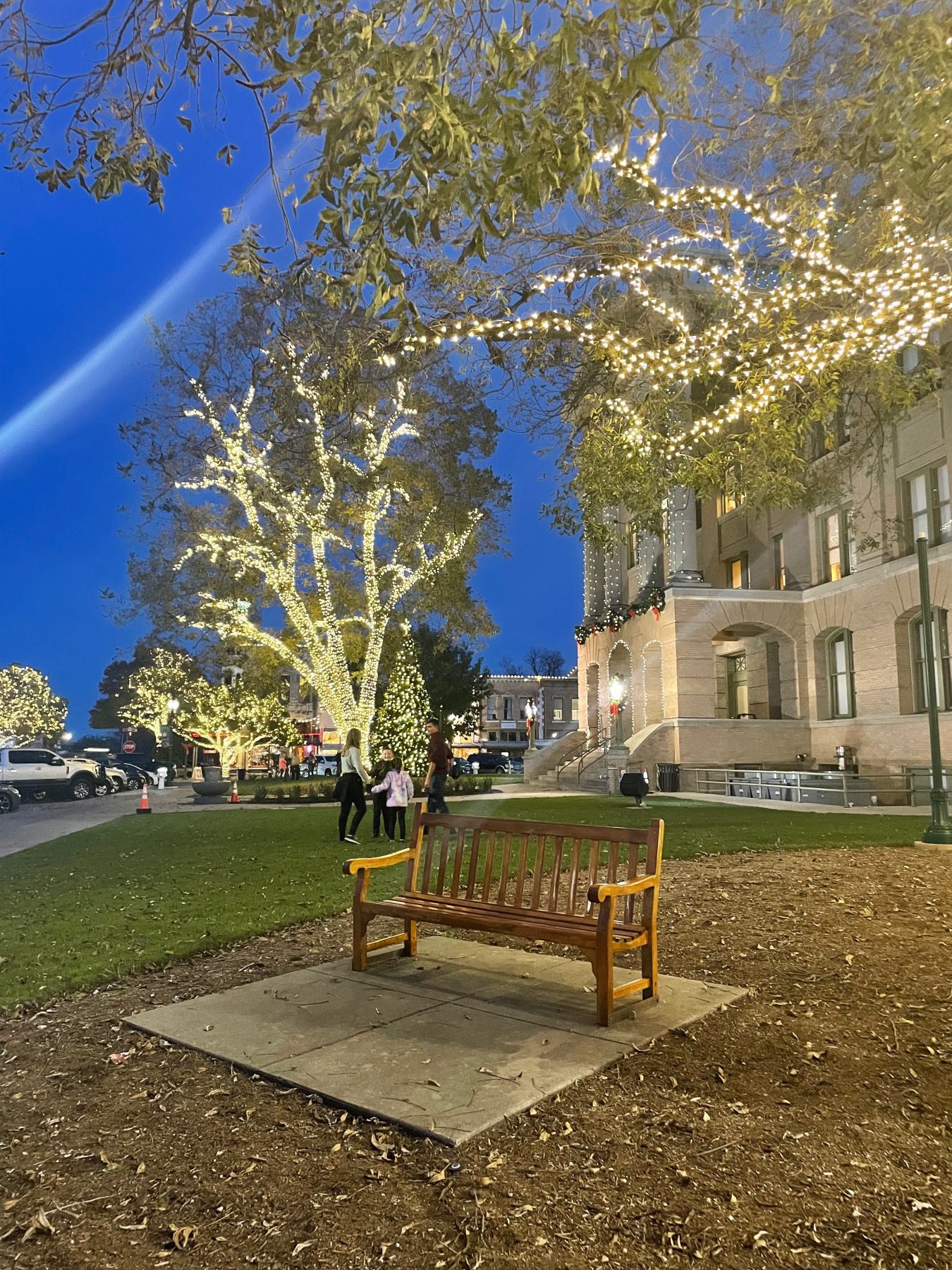
Historic Charm Meets Suburban Growth.
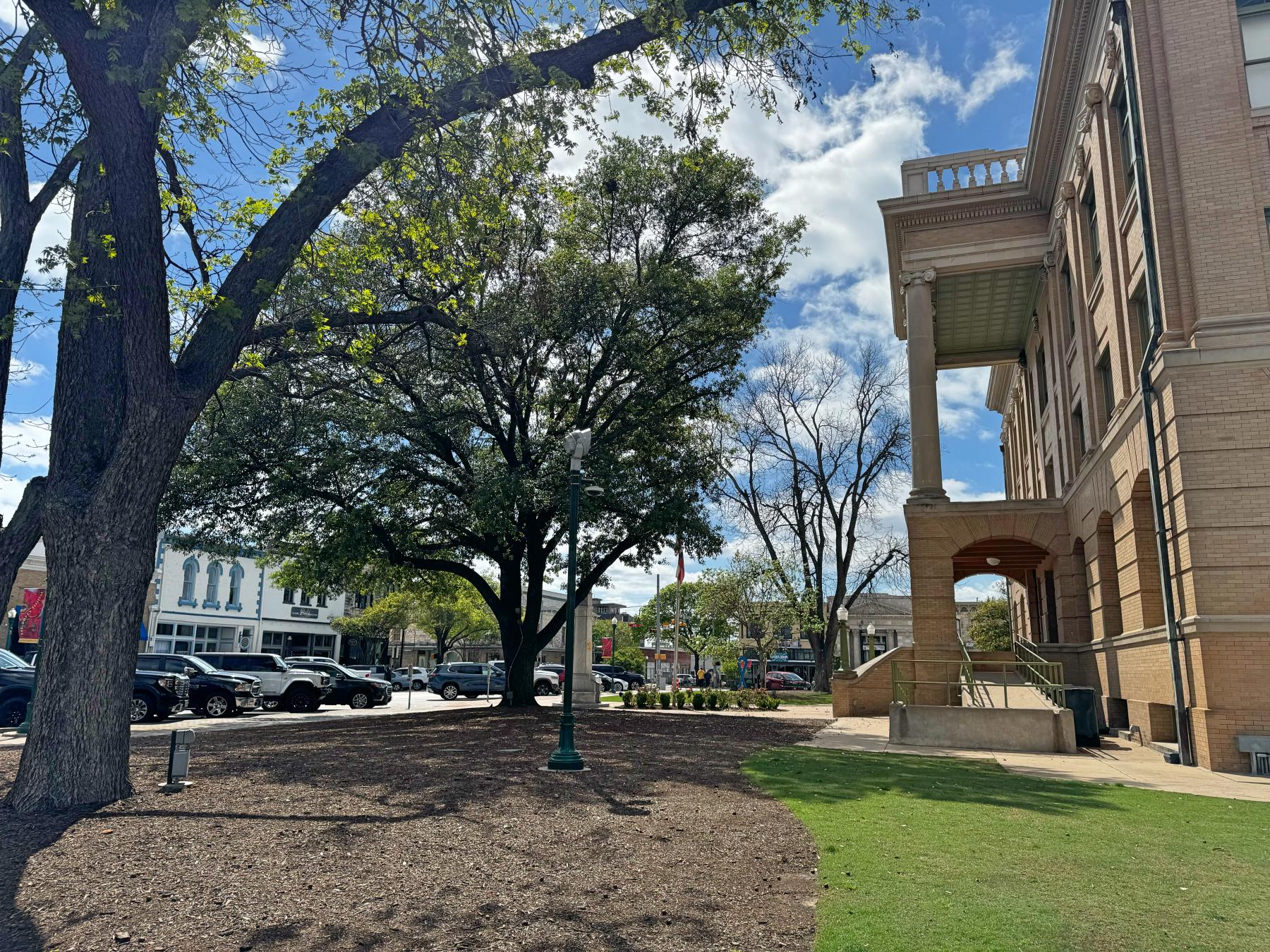
Georgetown is unique because it centers around "The Most Beautiful Town Square in Texas." It offers genuine history alongside new developments.
- Why Do Buyers Choose Georgetown? A true downtown square with historic architecture, festivals and local dining, mix of established and new communities and someone who wants character and suburban convenient.
- Best For: Buyers who want character without sacrificing amenities, and those looking for a walkable downtown environment.
- Property Taxes: Georgetown property tax rates range from 1.5%-2.65%.
- Median Price: ~$460k
For more information and to search homes for sale, visit our Georgetown Neighborhood Guide.
Georgetown Homes for Sale
SEARCH ALL GEORGETOWN HOMES FOR SALENo Email Required! Liberty Hill
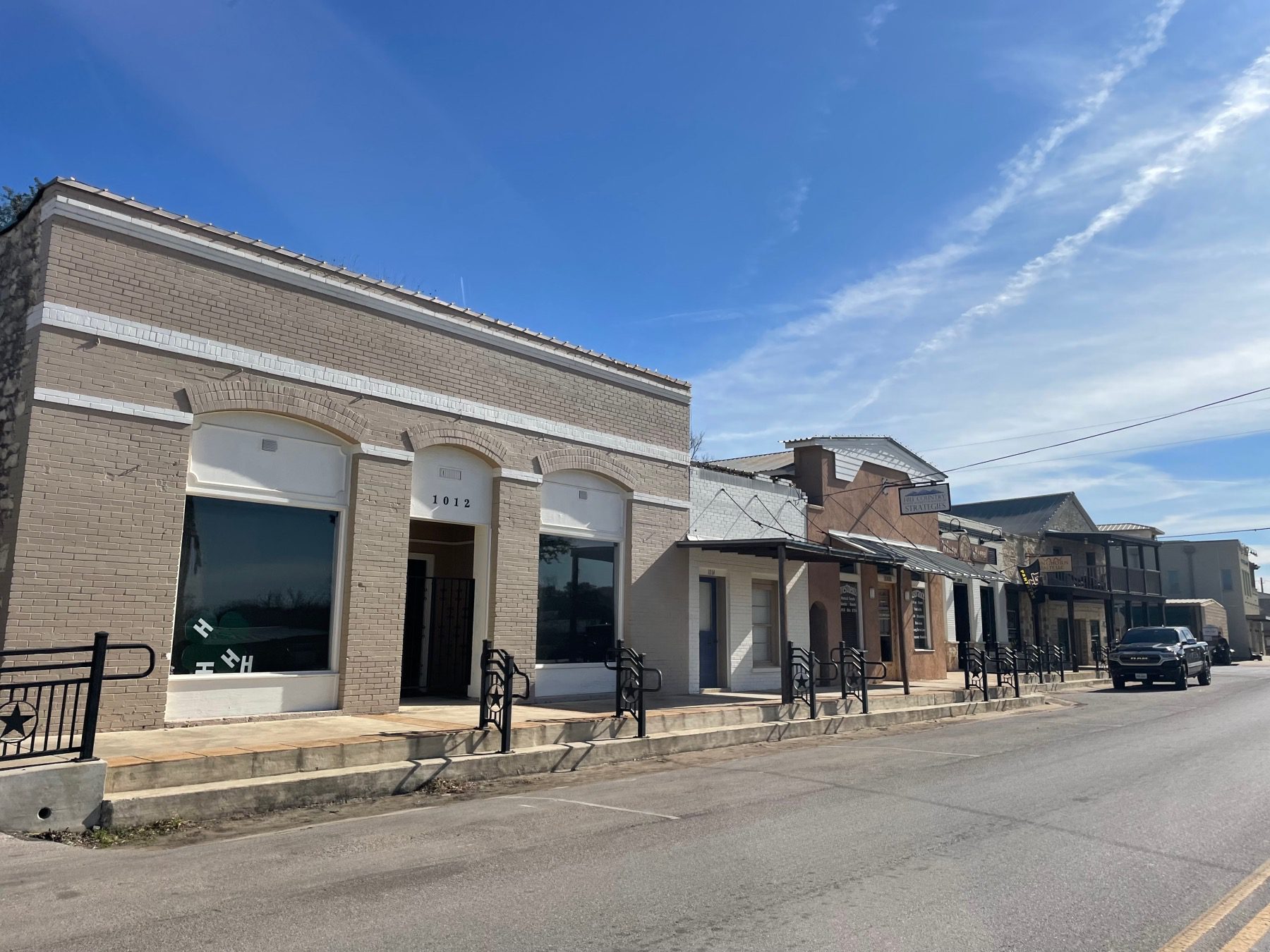
Growth-Driven Value with a Hill Country Edge.
Liberty Hill offers larger lots and a slightly more rural feel that is rapidly suburbanizing. It is poised for major retail growth.
- Why Do Buyers Choose Liberty Hill? Rapid residential and commercial development (Target and Costco are going in), Hill Country landscape at a more affordable price point than Dripping Springs.
- Best For: Buyers wanting more land and newer construction who are comfortable with a longer commute.
- Property Taxes: Liberty Hill property tax rates range from 1.6%-2.7%.
- Median Price: ~$510k
Liberty Hill Homes for Sale
SEARCH ALL LIBERTY HILL HOMES FOR SALENo Email Required! Jarrell
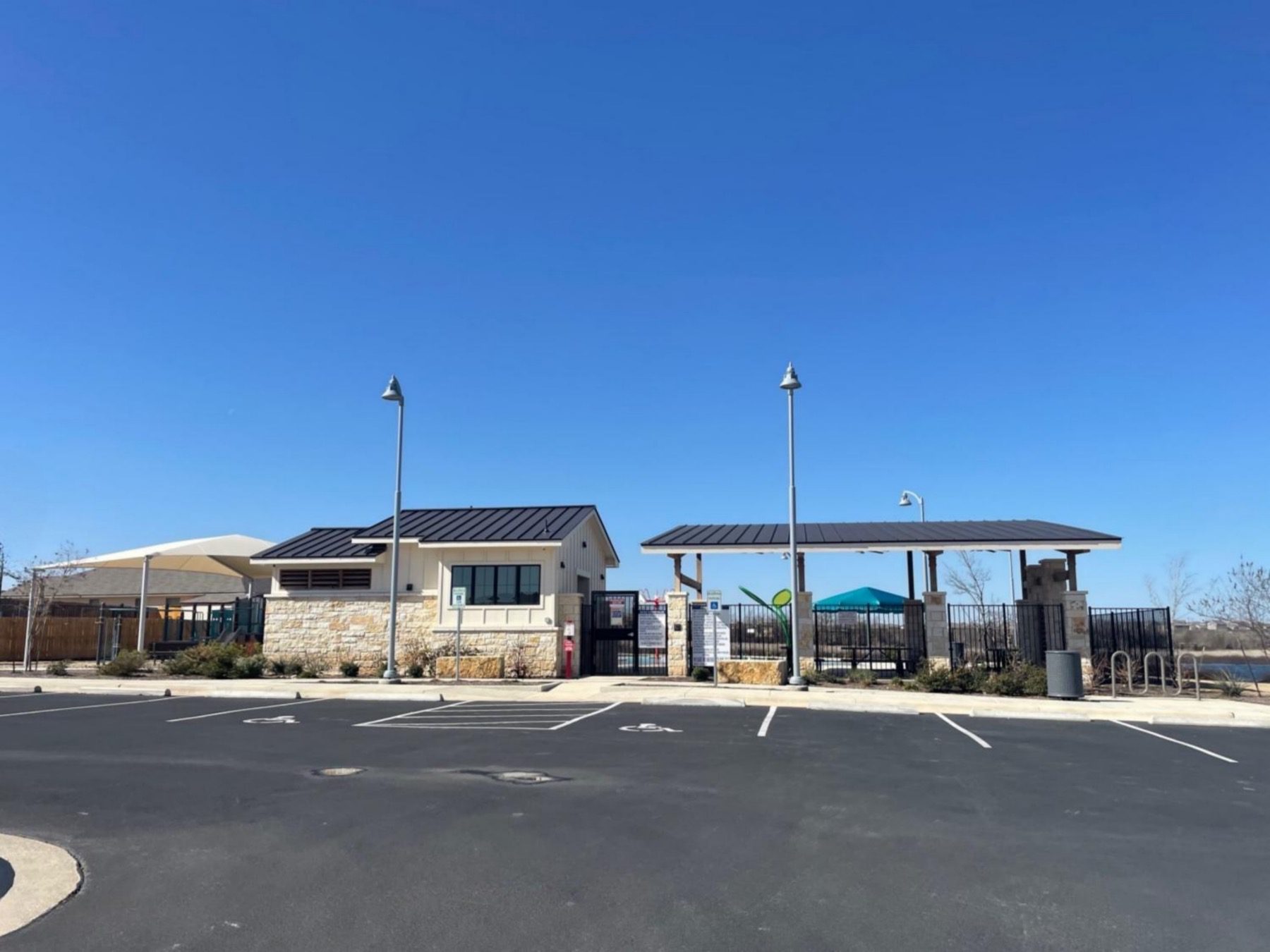
Entry-Level Pricing.
Jarrell is the affordability frontier of the north. It is predominantly new construction and offers a clear entry point into homeownership.
- Why Do Buyers Choose Jarrell? One of the most affordable single family home markets in the Austin metro area, predominantly new construction with modern layouts, easy access to 35 for commuters.
- Best For: First-time buyers focused on affordability and investors.
- Property Taxes: Jarrell property tax rates range from 2-2.8%.
- Median Price: ~$269k
For more information and to search homes for sale, visit our Jarrell Neighborhood Guide.
Jarrell Homes for Sale
SEARCH ALL JARRELL HOMES FOR SALENo Email Required! Hutto
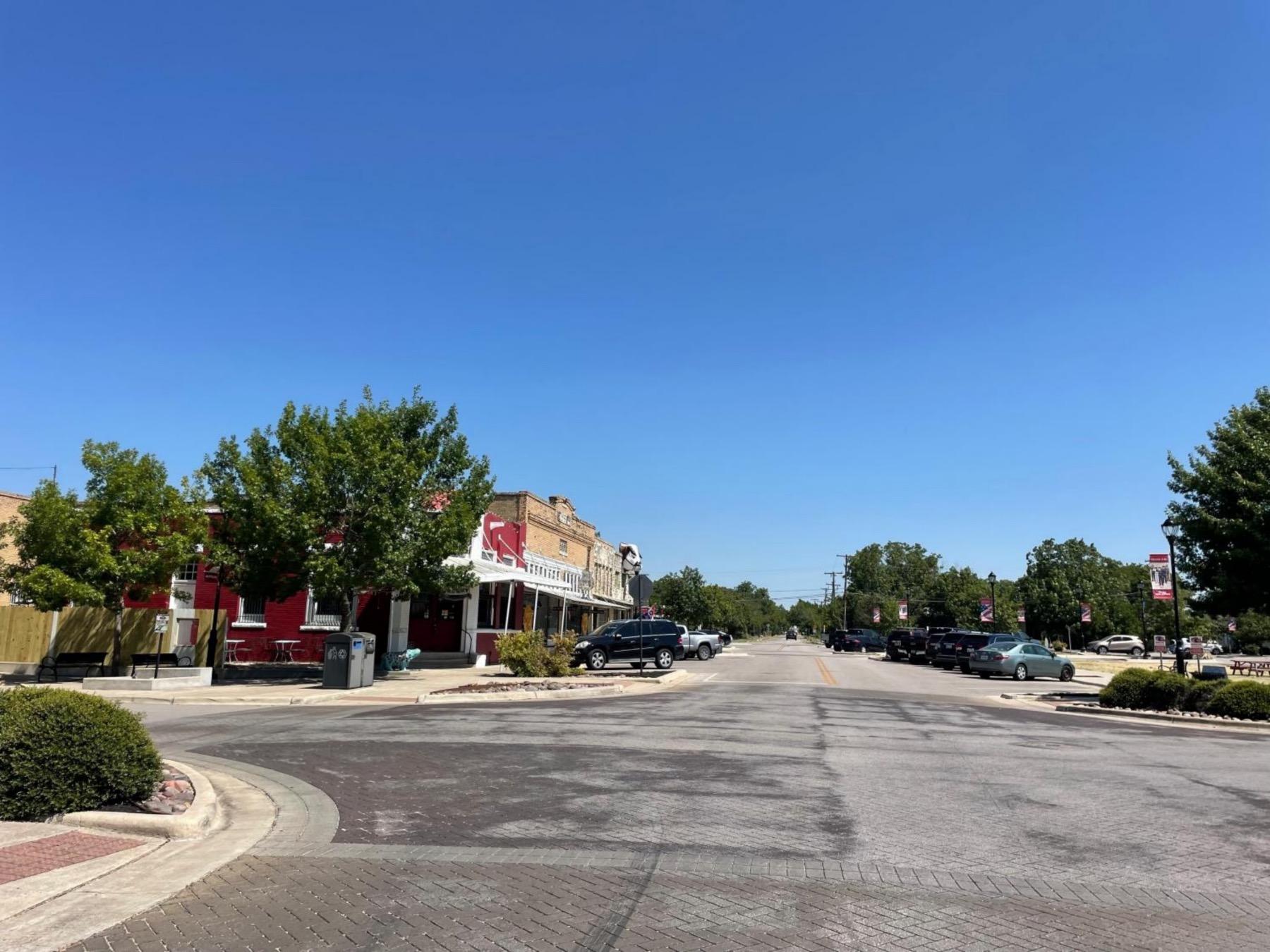
Fast Growth and Emerging Identity.
Once a small farming town, Hutto is exploding with residential and commercial growth, known for its hippo mascot and community spirit.
- Why Do Buyers Choose Hutto? Rapid residential and commercial growth, high concentration of newer construction and master planned communities, easy access to 79 and 130.
- Best For: Buyers prioritizing modern homes and community amenities in a market that is still defining itself.
- Property Taxes: Hutto property tax rates range from 1.7%-3%.
- Median Price: ~$345k
For more information and to search homes for sale, visit our Hutto Neighborhood Guide.
Hutto Homes for Sale
SEARCH ALL HUTTO HOMES FOR SALENo Email Required! 8. Deep Dive: Key South Suburbs
Buda

Small-Town Feel with City Access.
Buda markets itself as a "breath of fresh air." It feels closer-in than other south suburbs and retains a charming historic downtown area.
- Why Do Buyers Choose Buda? A "closer in" suburban feeling compared to farther south options, easy access to South Austin, a strong compromise between commute and price.
- Best For: Buyers who want South Austin proximity without central Austin pricing, and those who want a suburban space that still feels connected to the city.
- Property Taxes: Buda property tax rates range from 1.7%-2.9%.
- Median Price: ~$362k
For more information and to search homes for sale, visit our Buda Neighborhood Guide.
Buda Homes for Sale
SEARCH ALL BUDA HOMES FOR SALENo Email Required! Kyle

Value Leader and Fast Growth.
Kyle is one of the fastest-growing cities in the nation. It is the "Pie Capital of Texas" and offers significant value for the square footage.
- Why Do Buyers Choose Kyle? One of the most accessible price points in the Austin metro area, newer subdivisions with expanding amenities, good fit for a buyer who prioritize space and budget over being close in.
- Best For: First-time buyers who want the maximum home for their budget and households prioritizing space and affordability.
- Property Taxes: Kyle property tax rates range from 1.75%-2.85%.
- Median Price: ~$327k
For more information and to search homes for sale, visit our Kyle Neighborhood Guide.
Kyle Homes for Sale
SEARCH ALL KYLE HOMES FOR SALENo Email Required! Dripping Springs
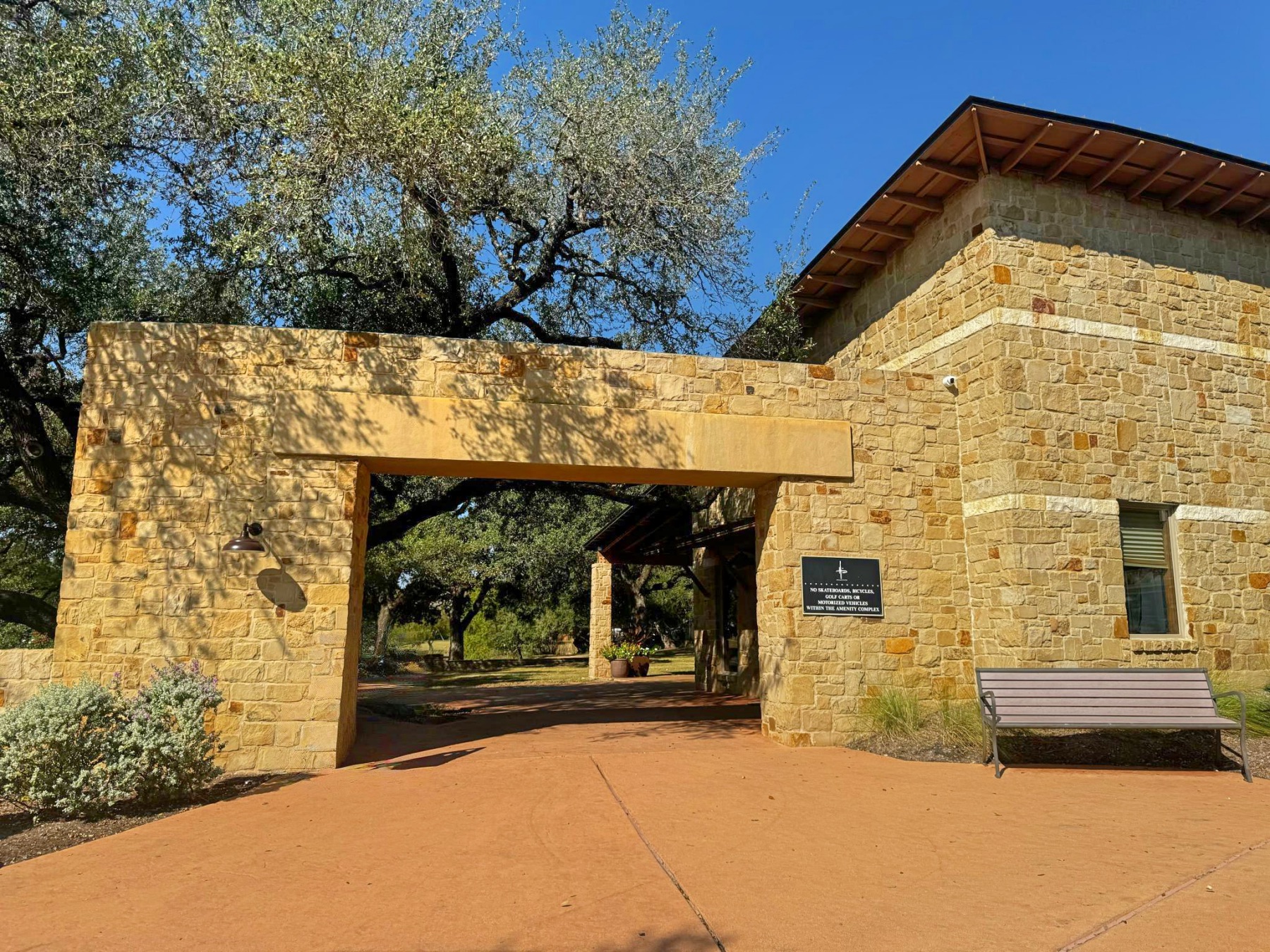
Hill Country Premium and Lifestyle.
"Drip" is the gateway to the Hill Country. Known for its schools, wedding venues, breweries, and rolling hills, it is a lifestyle destination.
- Why Do Buyers Choose Dripping Springs? Hill Country setting with views trails, breweries, wedding venues and weekend energy, highly rated schools, more land oriented homes (acreage lots) and custom home opportunities.
- Best For: Buyers who want the Hill Country lifestyle and have the budget for it.
- Property Taxes: Dripping Springs property tax rates range from 1.35%-2.55%
- Median Price: ~$610k
For more information and to search homes for sale, visit our Dripping Springs Neighborhood Guide.
Dripping Springs Homes for Sale
SEARCH ALL DRIPPING SPRINGS HOMES FOR SALENo Email Required! Driftwood
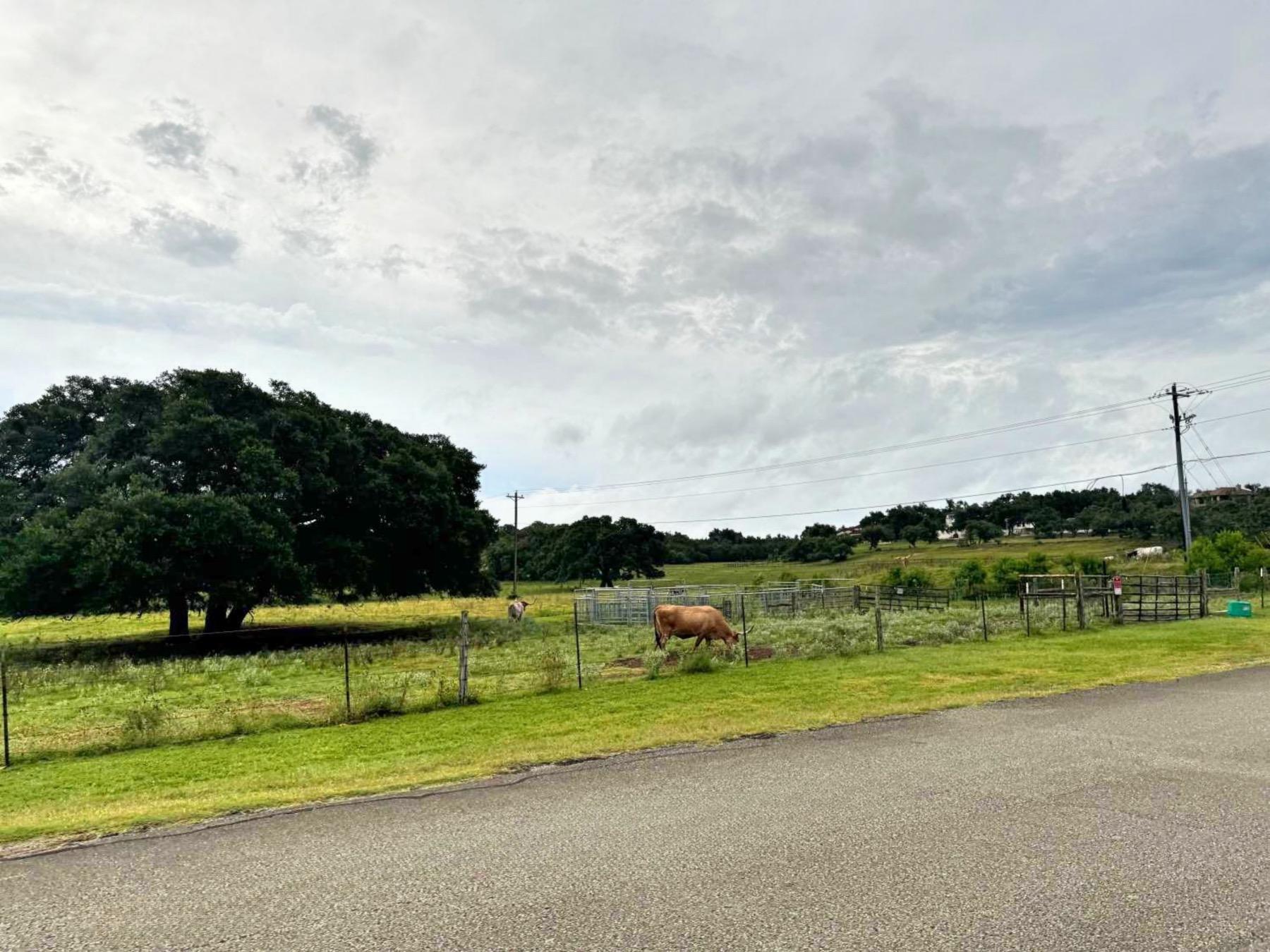
Privacy and Prestige.
Driftwood sits between South Austin and Dripping Springs, offering a quiet, rural feel with luxury custom homes and world-famous BBQ.
- Why Buyers Choose Driftwood? Hill country scenery with acreage lots and custom homes, quiet, rural feel while still remaining close to South Austin and Dripping Springs, great choice for buyers seeking privacy, views and lifestyle over convenience.
- Best For: Move-up and luxury buyers prioritizing land, privacy, and a retreat-style residence.
- Property Taxes: Driftwood property tax rates range from 1.45%-1.8%
- Median Price: ~$945k
For more information and to search homes for sale, visit our Driftwood Neighborhood Guide.
Driftwood Homes for Sale
SEARCH ALL DRIFTWOOD HOMES FOR SALENo Email Required! San Marcos
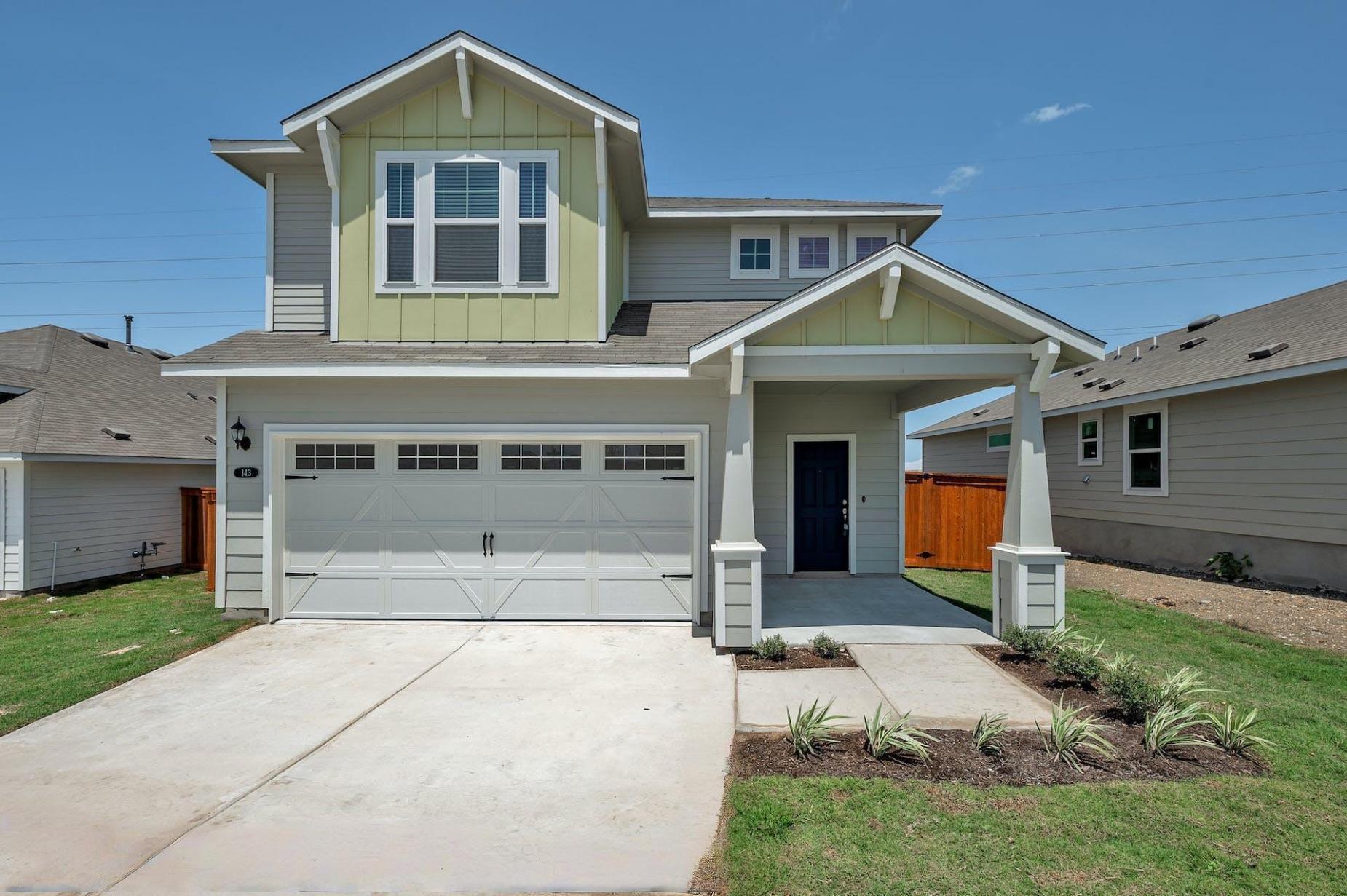
University Energy and River Life.
San Marcos is a self-contained city with its own economy, driven by Texas State University and the beautiful San Marcos River.
- Why Buyers Choose San Marcos? Home to Texas State University, creating a strong rental and resale market, mix of historic neighborhoods, new subdivisions and river-adjacent communities, more city amenities at a lower price point than most southern suburbs, can easily commute to Austin, New Braunfels or San Antonio
- Best For: Buyers seeking a true city environment at a lower cost than Austin, and those comfortable with a longer commute.
- Property Taxes: San Marcos property tax rates range from 1.5%-2.4%
- Median Price: ~$361k
9. Decision Guide: Which Side Fits You?
Choose North Austin If:
- Your Job is North: You work at The Domain, the North Tech Corridor, or in Round Rock.
- You Prefer Planned Environments: You like the predictability and amenities of master-planned communities.
- Rail is an Option: You like the idea of using the commuter rail from Leander/Cedar Park.
- You Want "Turnkey": You want established infrastructure where schools, shopping, and hospitals are already fully developed.
Choose South Austin If:
- You Want the "Vibe": You prioritize closer-in culture, local dining, and that specific "Austin" energy.
- Affordability is Key: You are targeting the value available in Kyle or Buda.
- Lifestyle is the Priority: You are seeking the Hill Country experience found in Dripping Springs or Driftwood.
- You Work South/East: You work downtown, at the airport, or at the Tesla Gigafactory.

10. Final Thoughts
Ultimately, the "North vs. South" debate isn't a rivalry—it is a fit test. The "best" side is simply the one that reduces friction in your daily life and aligns with your financial goals.
The smartest buyers in 2026 are doing three things:
- Calculating Total Monthly Cost: Looking at Mortgage + Taxes + Insurance, not just the list price.
- Mapping the Real Commute: Testing the drive during peak hours, not just looking at miles on a map.
- Choosing a Lifestyle Pattern: Selecting a neighborhood that fits how they live on Tuesday at 6 PM, not just Saturday at noon.
If you want help pressure-testing neighborhoods, analyzing tax rates, and touring homes on both sides of Austin, contact Eleven Oaks Realty. We will help you compare North and South like an analyst, so you can buy like a local.
Ready to Consider North vs South Austin More Seriously?
Ready to find your perfect Austin neighborhood? The debate between North and South Austin is complex, but you don't have to figure it out alone. We specialize in helping buyers relocate to the Austin area and have helped hundreds of families find their perfect side of town. Contact our team of buyer's agents at Eleven Oaks Realty for personalized advice to determine which side of town truly fits your lifestyle and needs.
Call or text us today at (512) 827-8323 or email info@11OaksRealty.com to schedule your no-obligation consultation.




Leave a Reply