
If I had a dollar for every time someone asked whether they should move to Austin, I’d have a comfortable nest egg. After more than 17 years helping people buy and sell homes across the Austin metro, I’ve given this answer hundreds of times. And my honest answer has never been “yes, absolutely, it’s perfect for everyone.” My honest answer has always been: it depends on what you’re looking for.
That’s what this post is. Not a travel brochure. Not a chamber of commerce piece. An honest assessment from someone who works in this market every single day, who has helped hundreds of people relocate here, and who has also had clients decide Austin wasn’t the right fit. Both outcomes happen, and both are valid.
The goal is to give you the real picture so you can make a decision with full information. Let’s get into it.
Austin at a Glance: The Honest Scorecard
| PROS | CONS |
|---|---|
| No state income tax | High property taxes |
| Strong job market | Intense summer heat (30+ days above 100°F) |
| World-class outdoor recreation | I-35 and MoPac traffic congestion |
| Vibrant food and music culture | Cost of living 29% above national average |
| Affordable vs. coastal cities | Rapid growth and changing character |
| Warm, welcoming community | Cedar fever allergy season (Dec–Feb) |
The Pros of Living in Austin
1. No State Income Tax: The Dollar Impact Is Real
Texas has no state income tax. That's not a minor perk. For people relocating from California, New York, or Illinois, it's often the single biggest financial driver of the move.
Here's what that looks like in real numbers. If you earn $100,000 per year and move from California to Austin, you keep roughly $6,000 to $7,500 more per year in state income taxes alone, depending on your deductions and filing status. At a $200,000 salary, that gap grows to approximately $13,000 to $16,000 annually.
Run that out five years at a $200,000 income: you're potentially keeping $65,000 to $80,000 that would have gone to the California Franchise Tax Board. That's a significant down payment, a year of mortgage payments, or a meaningful investment portfolio contribution.
One important nuance: Texas funds local government primarily through property taxes and sales taxes instead of income tax. The income tax savings are real, but they're partially offset by a higher property tax burden. We cover that in detail in the cons section.
2. A Job Market Built for Career Growth
Austin's transformation into a major technology hub over the past decade has been significant. Apple's campus in North Austin, Tesla's Gigafactory south of the city, Oracle's relocated headquarters, Samsung's $17 billion chip manufacturing plant in Taylor, and major offices from Meta, Amazon, and Google have collectively made Austin one of the most important tech employment centers in the country outside of Silicon Valley.
That concentration matters for a few reasons. There are simply more job options. When multiple major employers compete for talent in the same market, salaries tend to reflect that competition. And if one employer downsizes, other options exist without requiring relocation.
If you're in tech, our guide to the best Austin neighborhoods for tech workers breaks down commute times to each major campus. Beyond tech, Austin's healthcare sector is anchored by Ascension Seton and St. David's Medical Center, with Dell Medical School at the University of Texas adding research and academic positions. State government employment is significant as well, since Austin is the Texas capital. Education, finance, and real estate round out a diversified local economy that has remained more resilient than many metros during economic downturns.

3. Outdoor Recreation, Year-Round
Austin's outdoor access is one of its most underrated assets, and it's one that competing cities genuinely can't match at this combination of quality and accessibility.
Lady Bird Lake is a 416-acre reservoir in the middle of the city, with a 10-mile hike and bike trail that is one of the finest urban recreational paths in the country. Paddleboarding, kayaking, and rowing are year-round activities. Barton Springs Pool is a natural spring-fed swimming pool that stays at 68 degrees Fahrenheit every day of the year. On a 104-degree August afternoon, it is exactly what that sounds like: a reprieve that costs a few dollars and delivers something remarkable.
Barton Creek Greenbelt offers 12-plus miles of trails, swimming holes, and cliff-jumping spots within 10 minutes of downtown. Zilker Park hosts major events on 350 acres adjacent to the Colorado River. The Hill Country sits 30 to 60 minutes from the city, with Fredericksburg wine country, Hamilton Pool Preserve, Pedernales Falls State Park, and the Guadalupe River available for day trips without a flight or a long weekend.
For people who genuinely use outdoor amenities, Austin competes with cities two or three times its size.
4. Food, Music, and Culture
Austin earned the title "Live Music Capital of the World" because on any given weekend, live music is happening across hundreds of venues. The Continental Club has anchored South Congress since 1957. Stubb's Waller Creek Amphitheater hosts major national acts outdoors. The 6th Street entertainment district, Rainey Street, and the Red River Cultural District each have distinct identities and crowds. ACL Music Festival in October and SXSW in March draw international attention and visiting artists to a city that already takes music seriously year-round.
The restaurant scene is equally strong. Franklin Barbecue, La Barbeque, and Terry Black's have put Austin BBQ on a national map that food writers and tourists now navigate by. Farm-to-table dining, James Beard-recognized chefs, and a growing roster of nationally recognized restaurants sit alongside the beloved taco joints and food trucks that are genuinely as good as the reputation suggests.
One local detail that almost nobody mentions in these posts: H-E-B. If you've never lived near one, it's difficult to convey how good a grocery store can be. Austinites who relocate away from H-E-B coverage frequently cite it as a genuine quality-of-life loss. The local sourcing, the prepared foods, the store-brand quality, and the service level set a standard that most grocery chains don't match. It's a small thing that turns out not to be small.
The "Keep Austin Weird" culture is real, if harder to find than it was in 2010. The independent business ethos, creative class, and willingness to support local over chain still characterize large parts of the city.

5. Affordability Compared to Coastal Cities
The Austin market has corrected from its 2022 peak. The current metro median sale price sits around $440,000, down from highs above $530,000 two years ago. By Texas standards, that's expensive. By coastal city standards, it's a substantially different calculation.
San Francisco's median hovers above $1.3 million. Seattle is above $800,000. Denver has crossed $600,000. New York City medians for anything with space exceed $800,000. At $440,000 in the Austin metro, you are typically getting 1,800 to 2,200 square feet in a suburb like Round Rock, Cedar Park, or Pflugerville, with decent schools and highway access. The equivalent budget in San Francisco gets a one-bedroom condominium.
Even accounting for Austin's property tax reality, which we'll cover honestly in a moment, the total monthly cost of ownership on a comparable home is meaningfully lower in Austin than in these coastal markets.
6. A Genuinely Welcoming Community
This one is harder to quantify, but consistent enough across hundreds of client conversations that it deserves inclusion. Austin has a reputation for being one of the friendlier major U.S. cities, and most relocating clients validate that impression within six months of arriving. The combination of Texas hospitality and Austin's creative, diverse population creates an environment that tends to welcome newcomers rather than ignore them.
This matters practically for people moving without an existing social network. Austin's high density of transplants also means there's an established culture around meeting new people. You're unlikely to be the only person in the room who moved from somewhere else in the past three years.

The Cons of Living in Austin
1. Property Taxes: The Number That Surprises People
This is consistently the detail that catches people off guard, particularly those relocating from states with high income taxes but modest property taxes.
Texas funds local government primarily through property taxes. The effective rate in Travis County runs approximately 1.8% to 2.5% of assessed value annually once city, county, school district, and special district levies are combined. A typical figure for an Austin city limits property is around 2.07%.
Here's what that means in real annual costs:
- $440,000 home: approximately $9,100/year ($758/month)
- $500,000 home: approximately $10,350/year ($863/month)
- $600,000 home: approximately $12,420/year ($1,035/month)
That's a significant number to carry. Texas does offer a homestead exemption that includes a $140,000 deduction from the school district appraisal for a primary residence, which reduces the annual bill meaningfully. But the baseline rate is still high relative to many states.
The honest summary: the income tax savings and the property tax cost often partially offset each other, depending on your income level and the value of your home. At higher incomes and moderate home prices, the income tax savings typically win. At lower incomes with expensive homes, property taxes can erode or eliminate that advantage. Run the specific math for your situation before assuming the financial case is clear. If you do buy in Austin, it's also worth knowing how to challenge your property tax appraisal — it's more straightforward than most people think.
2. The Heat Is Not a Joke
Austin summers are long, hot, and more humid than people expect. "Hot" is not hyperbole: Austin averages more than 30 days above 100 degrees Fahrenheit each year, with July and August regularly hitting daytime highs between 98 and 104 degrees. The humidity in summer months adds to the discomfort, particularly in the mornings, and makes it feel worse than the thermometer reads.
Practically, summer begins in May and doesn't end until October. That's six months where outdoor activity before 8 a.m. or after 7 p.m. is the only comfortable option on most days. The outdoor culture that makes Austin so appealing from October through May becomes significantly constrained from June through September.
The financial cost is also real. Electric bills of $200 to $400 per month in July and August are common for a standard 2,000-square-foot home. Budget for it specifically.
I tell every relocating client the same thing: spend a full summer in Austin before committing if at all possible. A visit in March or November tells you nothing about what August feels like. If you have a low tolerance for heat, Austin will be a difficult adjustment. Not impossible, but difficult.
The flip side: winters are mild. January averages in the upper 50s. Significant snow is rare, though Austin has experienced two serious winter ice storms in the 2020s that brought the city to a standstill for days. Those events were exceptional, but they are a reminder that severe winter weather does occasionally happen here. The October through May window, outside of those rare events, is genuinely beautiful.

3. Traffic Has Not Kept Up With Population Growth
Austin's population roughly doubled between 2000 and 2020. The road infrastructure did not. I-35, the main north-south artery through the city, is one of the most congested corridors in Texas. The ongoing I-35 Capital Express reconstruction project will eventually improve conditions, but that project won't be complete until the late 2020s at the earliest.
MoPac (Loop 1) is the western alternative to I-35, and during morning and evening rush hours it moves slowly as well. The Domain area and the 183 corridor see significant congestion. Southwest Austin and the Lakeway/Bee Cave area can generate 45-minute or longer commutes into central Austin during peak times.
The key variable is where you live relative to where you work. Working remotely or having a short local commute makes this a non-issue. Driving from Bee Cave to downtown daily, or from Pflugerville to the Domain, adds meaningful time to every workday.
A practical note for home buyers: plan your housing search around the commute. Test the drive at rush hour before making an offer. Our Austin traffic and commute guide has real drive-time data for every major suburb. One useful rule of thumb: Austin's east-west corridors tend to be significantly less congested than the north-south ones. If you can't live where you work, living east or west of your employer is often better than living north or south, because you can avoid I-35 and MoPac almost entirely. This matters more in Austin than most people account for when they're searching.
4. Austin Is No Longer a Cheap City
The framing of Austin as an "affordable alternative" to coastal cities is accurate when the comparison is San Francisco or New York. But Austin is not a cheap city on a national basis, and that distinction matters.
The overall cost of living in Austin runs approximately 29 percent above the national average. Housing has driven most of that increase, but dining costs, childcare, and service costs have risen with the labor market. Groceries are modestly below the national average. Healthcare is close to average. But the cumulative picture is a city that costs meaningfully more than most of the country.
The affordable Austin of 2015, when a two-bedroom apartment in East Austin could be found for $1,100/month, is a different city from the one you'd be moving to in 2026. If you're relocating from a high-cost coastal market, Austin will still feel like relief. If you're relocating from Kansas City or Columbus expecting a bargain, calibrate your expectations before you sign a lease or a contract.
5. The City Has Changed
Austin grew from approximately 790,000 residents in 2010 to over one million by the early 2020s. The broader metro area now exceeds 2.2 million. That kind of growth rewrites a city's character, and Austin is no exception.
East Austin, historically a quiet neighborhood with deep community roots, has been substantially transformed by a decade of development and rising real estate values. The independent music venues that defined the city's reputation have closed or relocated as commercial rents rose. South Congress, once known for eccentric independently owned shops, now includes national retailers alongside the holdout originals. The development pressure that comes with being one of the fastest-growing metros in the country is visible across the city.
None of this is unique to Austin. It's the story of every rapidly growing American city. But if you've heard the Austin mythology and are expecting a laid-back, weird, affordable college town vibe, you'll arrive in a significantly larger and more expensive city than that description suggests. That city still exists in pockets, but you'll work harder to find it than you would have in 2010.
6. Cedar Fever Is Real
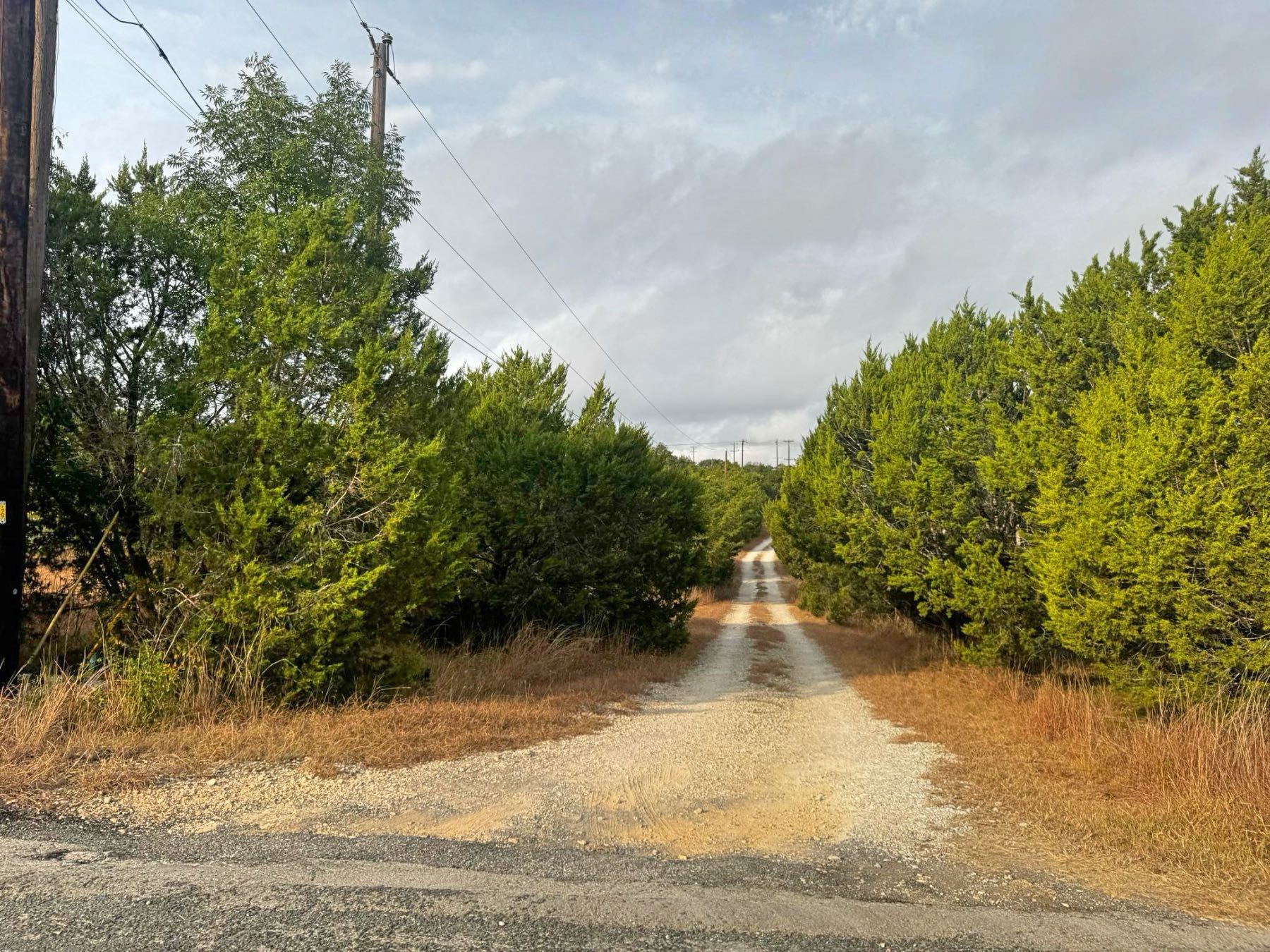
This one almost never appears in competitor posts about moving to Austin. I include it because it's a genuine quality-of-life issue for a meaningful portion of the population, and going in without knowing is a disservice.
Mountain cedar, technically Ashe juniper, releases pollen from December through February. The concentration during peak season, usually late December through early February, is among the highest recorded for any allergenic plant in North America. The reaction in sensitive individuals is severe enough that locals call it "cedar fever," though it's an allergy response, not an actual fever. Symptoms include runny nose, itchy eyes, fatigue, facial pressure, and headaches significant enough to affect daily function for weeks at a stretch.
Austin also has a notable oak pollen season in spring and mold spikes after heavy rains. The city appears consistently on national lists of the worst cities for allergy sufferers.
If you have significant seasonal allergies: ask your allergist to test for mountain cedar sensitivity before you commit to the move. A positive test doesn't eliminate Austin as an option. Many people manage cedar sensitivity effectively with medication, immunotherapy, or air filtration. But knowing in advance is better than discovering it in your first December here.
Who Is Austin Best For?
Based on working with hundreds of people who have made Austin their home, here is who tends to find it the right fit:
- Tech workers and remote professionals who benefit from the job market depth and the income tax savings.
- People relocating from high-tax states like California, New York, or Illinois, where the combined financial and lifestyle trade looks favorable.
- Outdoor enthusiasts who will genuinely use the trails, waterways, and Hill Country access throughout the year.
- People who value a vibrant cultural scene and are prepared for an active, growing city rather than a quiet one.
- Career-focused individuals who want job market depth, cultural vitality, and outdoor access in the same place.
Who Should Think Twice?
Austin is not the right fit for everyone, and an honest real estate professional will tell you that directly rather than selling you on a city that isn't a match.
Think carefully if you are:
- Highly sensitive to heat. Six months of temperatures above 90 degrees, with more than 30 days above 100, is a significant factor for people who struggle in extreme heat.
- On a fixed income. The property tax structure is genuinely difficult for people who aren't growing their income. As assessments rise, bills rise, and the homestead exemption only goes so far.
- Hoping for a small-town feel. Austin is a major metropolitan area of over two million people. The city of 2005 is not the city you're moving to.
- Managing severe seasonal allergies. Cedar sensitivity in particular can significantly affect quality of life from December through February. Test before you move.
- Working for an employer in another major metro without remote flexibility. The economics of commuting between Austin and another city change the value proposition significantly.

The Bottom Line: Is Austin Worth It?
Austin is a genuinely excellent city for the right person with the right priorities. The income tax savings are real. The job market is strong and diversified. The outdoor access is world-class for a city of this size. The food and culture are legitimate. And even after the corrections of the past two years, Austin's housing value compared to coastal cities remains a meaningful advantage.
But Austin asks something in return: tolerance for summer heat, patience with traffic, a realistic view of what costs look like today rather than a decade ago, and a willingness to engage with a city that has grown well beyond its former scale.
The clients I've seen thrive here are the ones who came with an accurate picture of the tradeoffs and chose Austin because the pros genuinely outweighed the cons for their specific situation. The clients who struggled were the ones who arrived expecting the 2012 version of the city and found the 2026 version instead.
If you're seriously considering a move, our Austin relocation guide for out-of-state buyers covers what most people get wrong about the market, taxes, and insurance. You can also browse the neighborhood guides to start narrowing down where to focus. In Austin, the right neighborhood is as important as the right city. Where you land affects your commute, your daily access to what you love, and your overall experience dramatically. If you want to talk through how Austin's pros and cons line up with your specific situation, I'm happy to have that conversation.
Browse Austin neighborhood guides | Austin relocation guide | Austin property tax guide
Your Austin Real Estate Expert
Let’s Talk Austin Real Estate
We can pull active listings in any of the neighborhoods above, set up tours, or simply help you narrow down where to focus. No pressure, no obligation.
Monday – Sunday, 8am – 8pm | Usually respond within a few hours




Leave a Reply