
Moving to Texas represents one of the most significant financial decisions you’ll make, and choosing the right city can impact your budget for years to come. Whether you’re relocating for work, seeking better opportunities, or simply drawn to the Lone Star State’s appeal, understanding the true cost of living across Texas’s major metropolitan areas is essential for making an informed decision.
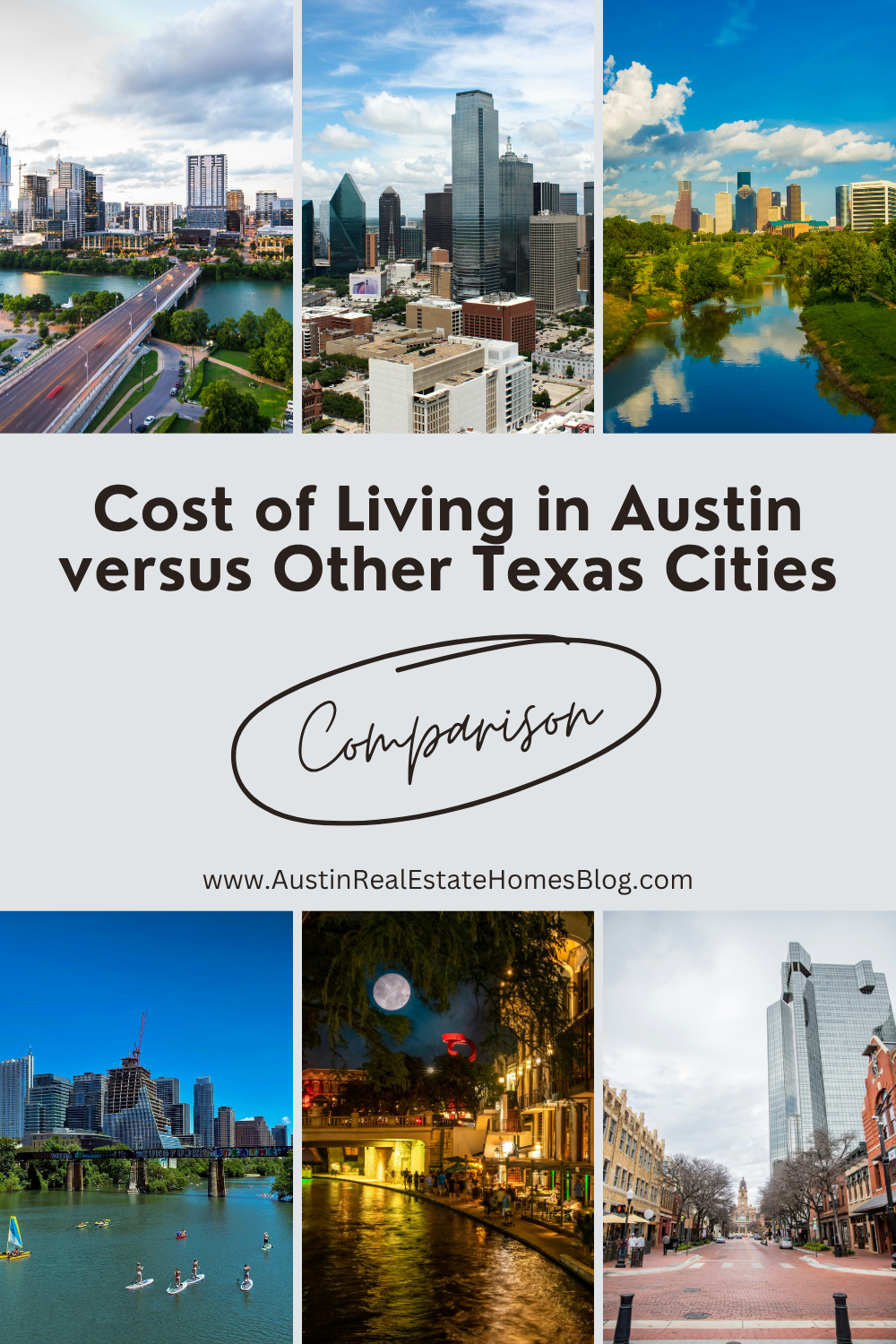
This comprehensive analysis examines the four largest Texas metro areas—Austin, Dallas-Fort Worth, Houston, and San Antonio—providing you with the detailed cost of living comparison Texas cities data you need to budget effectively and choose the location that best fits your financial goals and lifestyle preferences.
Why Texas Cities Have Such Different Cost Structures
Before diving into specific numbers, it's important to understand what drives cost differences across Texas metropolitan areas. All four major cities share several economic advantages: no state income tax, competitive gasoline prices, and relatively similar utility pricing structures. However, significant variations emerge in three key areas that will directly impact your monthly budget.
Housing costs represent the most substantial difference between cities, both for purchasing and renting properties. Market dynamics, local job growth, and available land supply create dramatic price variations that can swing your housing budget by hundreds or even thousands of dollars monthly.
Property insurance premiums have become an increasingly important factor, with Texas experiencing sharp increases in homeowners' insurance rates. The Texas Department of Insurance reported approximately 21% rate increases in 2023 and 19% in 2024, with certain regions—particularly Houston—facing elevated costs due to severe weather patterns and theft trends.
Commute patterns and transportation costs vary significantly based on each metro's infrastructure, toll road systems, and urban planning. While gasoline remains affordable statewide, your time and toll expenses can create substantial budget differences depending on your chosen neighborhood and work location.
According to the Bureau of Economic Analysis Regional Price Parities data from 2023, San Antonio offers the lowest overall price level at 93.7 (meaning costs are about 6.3% below the national average), while Dallas-Fort Worth runs highest at 103.3 (3.3% above national average). Austin sits at 97.6 and Houston at 100.2, providing important context for your everyday purchasing power in each location.
Housing Costs: The Primary Budget Driver
Home Purchase Prices
Current median home values reveal substantial differences that will directly impact your mortgage payments and down payment requirements:
Austin-Round Rock Metropolitan Area: $433,332 (down 5.8% year-over-year)
Dallas-Fort Worth-Arlington: $365,614 (down 3.8% year-over-year)
Houston-The Woodlands-Sugar Land: $307,804 (down 1.9% year-over-year)
San Antonio-New Braunfels: $280,499 (down 3.2% year-over-year)
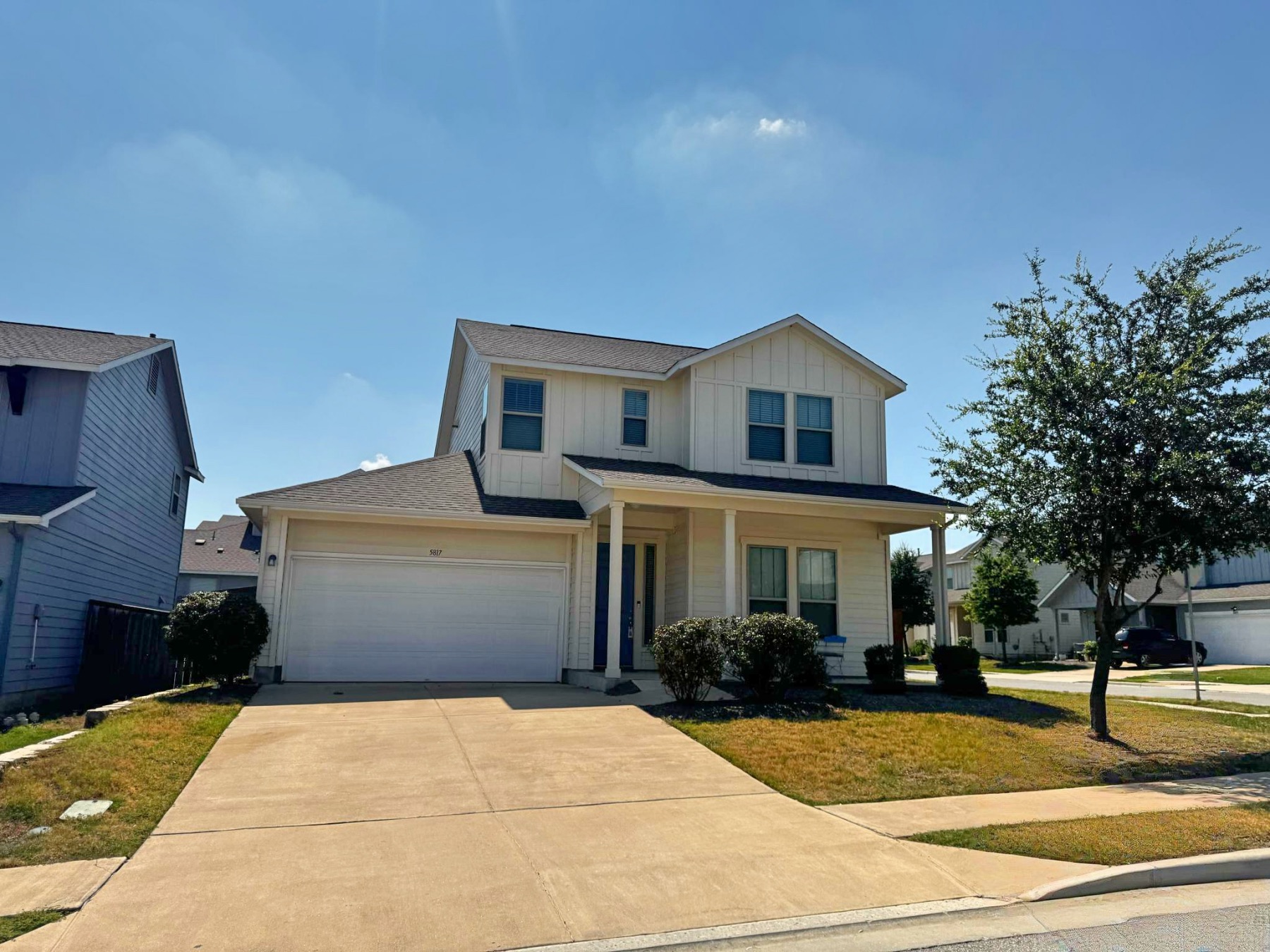
Austin commands a significant premium over other Texas metros, particularly in desirable neighborhoods with top-rated schools and proximity to major employers like Apple, Tesla, and the emerging Samsung semiconductor facility in nearby Taylor. If you're working with a fixed budget, San Antonio typically offers the most house for your dollar, while Houston and Dallas-Fort Worth provide middle-ground options with substantial neighborhood variation.
The recent year-over-year declines across all metros reflect broader national housing market adjustments, potentially creating opportunities for buyers who can navigate current mortgage rate environments effectively.
Rental Market Analysis
For those considering renting initially or permanently, current market conditions show interesting dynamics:
Austin: Approximately $1,575 average asking rent (down roughly 3.5% year-over-year)
Dallas: Approximately $1,636 average asking rent (relatively flat year-over-year)
Houston: Approximately $1,900 average asking rent (city-specific data can run higher than metro averages)
Austin's rental market has cooled significantly from its 2022-2023 peaks, currently positioning below both Dallas and Houston in many comparisons. This cooling provides opportunities for renters to negotiate concessions, secure parking arrangements, or access higher-quality properties that were previously out of reach.
The rental market softness in Austin makes it an attractive option for testing the city before committing to purchase, especially given the premium home prices. However, remember that rental prices can vary dramatically by neighborhood, with areas near major employers or entertainment districts commanding higher premiums.

Utilities and Essential Services
Electricity Costs
Texas maintains competitive electricity pricing compared to coastal states, with the statewide average residential rate at approximately 15.36 cents per kilowatt-hour as of July 2025. However, your actual monthly bills will vary significantly based on several factors:
Plan selection plays a crucial role, as Texas's deregulated electricity market allows consumers to choose from multiple providers and rate structures. (In some areas only.) Fixed-rate plans can provide budget predictability, while variable plans might offer initial savings but create uncertainty.
Home efficiency and size dramatically impact usage. Well-insulated newer constructions will require less energy for cooling, while older homes or larger floor plans can drive monthly costs higher, particularly during Texas's intense summer months.
Usage patterns matter significantly. Smart thermostat installations and strategic cooling schedules can reduce annual electricity costs by 10-20%, regardless of which city you choose.
Gasoline and Transportation Fuel
Texas consistently ranks among the ten lowest states for gasoline prices, with early October 2025 prices around $2.75 per gallon statewide. The differences between Austin, Dallas, Houston, and San Antonio typically amount to only pennies per gallon, making fuel costs a relatively minor factor in your city selection decision.
However, transportation costs extend beyond fuel prices. Consider toll road expenses, which can add $50-200+ to monthly budgets depending on your commute patterns, and vehicle wear from longer commute distances in sprawling metros like Dallas-Fort Worth and Houston.
Grocery and Service Costs
The Regional Price Parities data provides valuable insight into everyday purchasing power differences:
San Antonio (93.7): Groceries, restaurant meals, and services typically cost about 6.3% less than national averages
Austin (97.6): Prices run approximately 2.4% below national averages despite higher housing costs
Houston (100.2): Very close to national average pricing for goods and services
Dallas-Fort Worth (103.3): Expect to pay roughly 3.3% more than national averages for everyday purchases
These differences compound over time. A family spending $800 monthly on groceries and services in Dallas-Fort Worth might spend approximately $740 in San Antonio for comparable items—a $60 monthly difference that adds up to $720 annually.

Austin: The Premium Choice with Growing Opportunities
Austin continues attracting professionals seeking the combination of outdoor lifestyle, cultural amenities, and robust job growth, but this desirability comes with premium pricing. Understanding Austin's cost structure helps you budget realistically for this dynamic market.
Employment and Economic Drivers
Austin's economy centers on technology, advanced manufacturing, and emerging sectors that create high-paying jobs but also drive housing demand. Apple's North Austin campus is designed for 5,000 employees initially, with capacity for up to 15,000 workers. Tesla's Gigafactory Texas continues expanding its manufacturing operations, while Samsung's CHIPS Act-funded semiconductor facilities in Taylor are projected to create 4,500+ manufacturing jobs as they come online between 2026-2027.
This job growth creates ripple effects throughout the regional economy, supporting contractor ecosystems, service businesses, and professional services across Travis and Williamson counties. For professionals in engineering, operations, project management, and supporting roles, Austin offers substantial long-term career depth.
Housing Market Dynamics
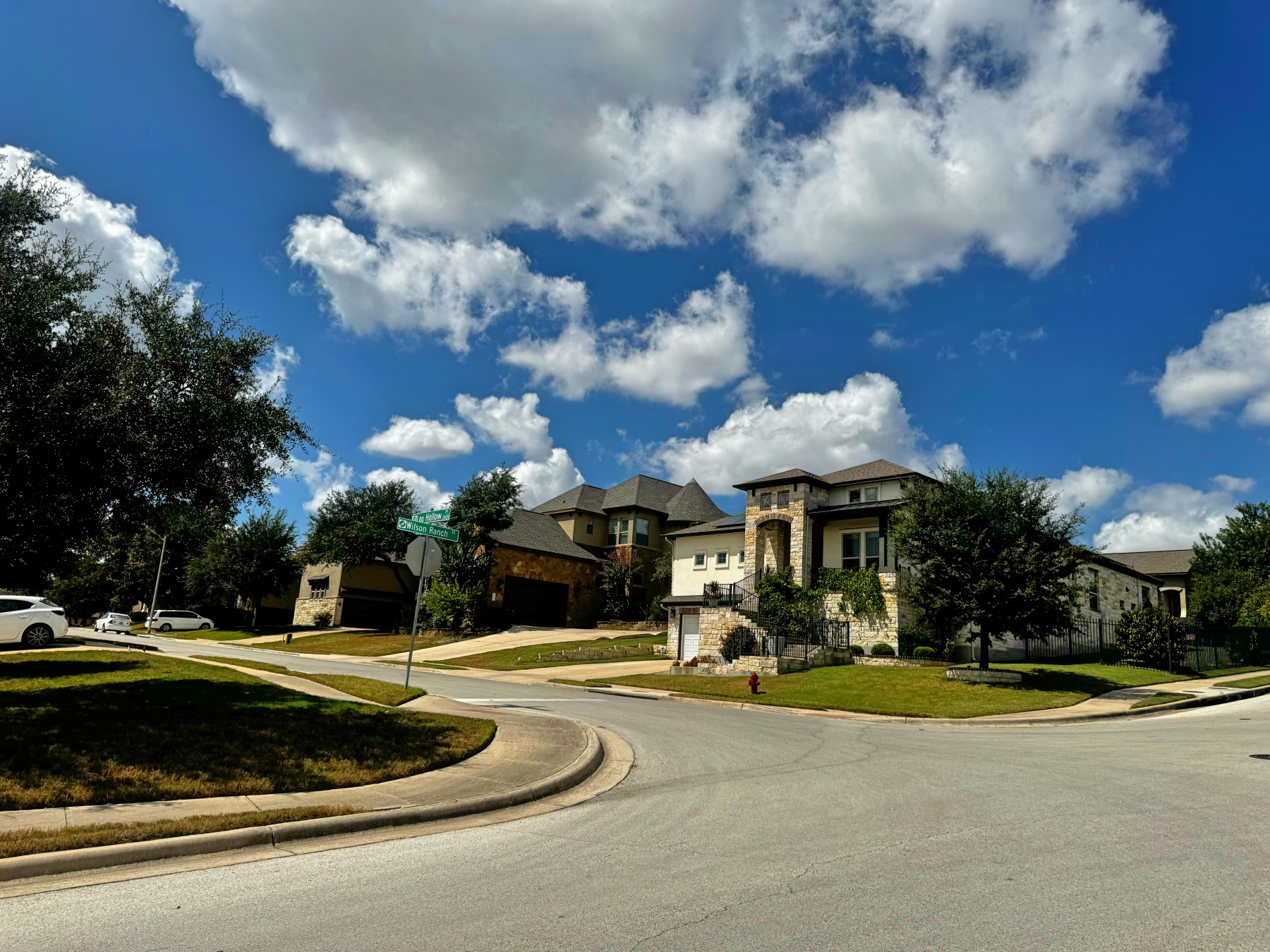
Austin MSA's $433,332 median home value reflects strong fundamentals but requires careful budgeting. Premium neighborhoods like Westlake, Rollingwood, and the Northwest tech corridor command higher prices due to school ratings, commute convenience, and lifestyle amenities. Lake Travis areas offer recreational lifestyle benefits but may require longer commutes.
The recent 5.8% year-over-year decline in home values creates opportunities for buyers who can navigate current interest rate environments, particularly for properties that were overpriced during peak market conditions.
Transportation and Commute Considerations
Austin's notorious traffic challenges on I-35 and MoPac require strategic neighborhood selection. A 10-15 minute shorter commute can justify higher housing costs through time savings and reduced toll expenses over years of daily driving.
Current toll roads like MoPac Express, 183A, and State Highway 130 can significantly improve commute times but add monthly expenses. Budget $80-200+ monthly for regular toll usage, depending on your route and frequency.
Monthly Budget Reality Check
For a professional couple renting a modern 1-2 bedroom apartment near the Domain or Q2 districts:
- Rent: $1,575-$2,100 (varies by age, finishes, and parking availability)
- Electricity: $120-$190 (depends on plan selection and apartment insulation)
- Internet and mobile: $100-$180 (two phone lines plus high-speed internet)
- Gasoline and tolls: $160-$280 (low fuel costs offset by toll expenses)
- Renters insurance and parking: $25-$50 plus $0-$200 for dedicated parking
For families purchasing a 3-4 bedroom home in North Austin or Williamson County suburbs, add property taxes (varies by city and school district), homeowners insurance (budget higher than you expect due to recent rate increases), and potentially higher utility costs for larger spaces.
Dallas-Fort Worth: Corporate Diversity at a Premium

The Dallas-Fort Worth metroplex offers the state's largest job market and unmatched corporate diversity, contributing to its position as the highest-priced major Texas metro according to Regional Price Parities data. This premium reflects the economic opportunities and lifestyle amenities available across the sprawling 13-county region.
Economic Advantages
DFW's economy spans finance, aviation, aerospace, healthcare, logistics, and technology sectors, providing career flexibility and advancement opportunities. Major corporate headquarters create depth in professional services, while DFW International Airport and Dallas Love Field provide exceptional connectivity for business travel.
The region's economic diversity offers recession resistance compared to metros dependent on single industries, though this stability contributes to higher overall costs.
Housing and Location Strategy
At $365,614 median home value, DFW sits between Austin and Houston, but the vast geographic area creates tremendous neighborhood variation. Inner-loop suburbs near Dallas and Fort Worth command premiums, while outer-ring communities offer more affordable options with longer commute times.
Successful DFW homebuying requires understanding sub-markets, school district boundaries, and commute patterns to optimize your investment. Consider factors like toll road access, airport proximity, and employment center locations when evaluating neighborhoods.
Transportation Infrastructure
DFW's extensive toll road system can improve commute efficiency but adds monthly expenses. The metroplex's size means longer average commute distances, increasing vehicle wear and fuel consumption despite low Texas gas prices.
Houston: Energy Capital with Balanced Costs

Houston provides big-city amenities and economic opportunities while maintaining more moderate housing costs than Austin or premium DFW areas. However, insurance costs and weather-related risks require careful budgeting consideration.
Economic Foundation
Houston's energy-dominant economy includes fast-growing medical and logistics sectors. The Texas Medical Center represents the world's largest medical complex, while the Port of Houston supports extensive logistics and manufacturing operations. Tesla's planned Megapack manufacturing facility in Waller County will add approximately 1,500 jobs over three years, diversifying the local economy.
Housing Value Proposition
At $307,804 median home value, Houston offers significantly more house for your money compared to Austin, often providing $100,000+ in additional purchasing power for comparable size and age properties. This affordability advantage allows for home upgrades, private school tuition, or shorter mortgage terms.
Insurance and Weather Considerations
Houston's Gulf Coast location creates elevated homeowners and auto insurance costs due to hurricane, flooding, and severe weather risks. Recent years have seen double-digit insurance rate increases, with Houston-area premiums often exceeding other Texas metros.
Research flood zone maps, drainage infrastructure, and elevation data before purchasing. Properties in flood-prone areas may require additional flood insurance, significantly impacting monthly housing costs.
San Antonio: Maximum Value with Steady Growth

San Antonio delivers the best affordability among Texas's major metros while maintaining steady economic growth and quality of life amenities. The 93.7 Regional Price Parity rating means your dollars stretch furthest for both housing and everyday expenses.
Economic Stability
San Antonio's economy balances military and defense installations, healthcare systems, financial services (including USAA headquarters), and growing technology sectors. This diversity provides employment stability while maintaining affordable living costs.
Housing Advantage
At $280,499 median home value, San Antonio often provides $100,000-150,000 in additional purchasing power compared to Austin for similar home size and condition. This advantage compounds with lower property taxes in many areas and reduced overall price levels for goods and services.
Lifestyle and Amenities
Despite lower costs, San Antonio offers major-city amenities including professional sports, cultural attractions, excellent dining, and proximity to Hill Country recreation. The city's growth trajectory suggests continued development while maintaining affordability advantages.
Insurance: The Hidden Cost That Matters
Texas homeowners insurance premiums have increased dramatically, making insurance a crucial budget consideration regardless of which city you choose. The Texas Department of Insurance data shows statewide rate increases of approximately 21% in 2023 and 19% in 2024, with certain regions experiencing even higher adjustments.
Regional Variations
Houston and Harris County typically face the highest premiums due to hurricane, flooding, and severe weather exposure. Coastal proximity and dense urban development increase risk profiles.
Austin and Central Texas rates vary significantly by neighborhood, home age, roof condition, and proximity to wildfire-prone areas. Hill Country locations may face additional considerations.
Dallas-Fort Worth insurance costs depend on specific location, home characteristics, and local weather patterns. Hail damage claims have impacted regional pricing.
San Antonio generally offers more moderate insurance costs, though rates have still increased with statewide trends.
Budgeting Strategy
Request specific insurance quotes for target properties before finalizing purchase decisions. Insurance costs can vary by hundreds of dollars monthly based on home characteristics, location, and coverage levels. Factor these real numbers into your PITI (Principal, Interest, Taxes, Insurance) calculations rather than using generic estimates.
Transportation: Beyond Fuel Costs
While Texas gasoline prices remain among the nation's lowest, transportation costs extend beyond fuel expenses and vary significantly between metros based on infrastructure, commute patterns, and toll road systems.
Commute Time Value
Austin's notorious I-35 and MoPac bottlenecks can create 60-90 minute commutes for relatively short distances during peak hours. Strategic neighborhood selection near employment centers or with toll road access can save hours weekly and hundreds in fuel costs annually.
Houston's sprawling layout and periodic weather-related traffic disruptions require commute reliability planning. Consider alternate route options and proximity to major employment centers.
Dallas-Fort Worth's extensive geography means longer average commute distances but with generally better highway infrastructure. However, rush hour congestion and toll expenses can impact total transportation costs.
San Antonio's more compact layout typically provides shorter commute times and lower transportation costs, though growth areas are expanding suburban commute distances.
Toll Road Economics
Budget realistically for toll expenses if your daily routes include managed lanes or toll roads:
- Austin: MoPac Express, 183A, SH-130 usage can cost $50-200+ monthly for regular commuters
- Dallas-Fort Worth: Extensive toll road network with varying pricing structures
- Houston: Managed toll lanes on major highways provide congestion relief at additional cost
- San Antonio: Limited toll infrastructure keeps transportation costs lower

Realistic Monthly Budget Examples
Understanding actual monthly expenses helps you evaluate which Texas city fits your financial goals. These scenarios assume typical usage patterns and mid-market choices—get specific quotes for accurate planning.
Austin Professional Couple (Renting)
Modern 1-2 bedroom apartment near Domain/Q2:
- Rent: $1,575-$2,100 (location and amenities dependent)
- Electricity: $120-$190 (plan selection and efficiency matter)
- Internet/mobile: $100-$180 (two lines plus high-speed internet)
- Gasoline/tolls: $160-$280 (low fuel costs offset by MoPac/183 tolls)
- Renters insurance: $25-$50
- Parking: $0-$200 (many complexes charge separately)
Monthly total: $1,980-$3,000
Austin Family (Purchasing)
3-4 bedroom home in North Austin/Williamson County:
- Mortgage payment: Varies by purchase price, down payment, and rates
- Property taxes: Varies by city and school district (budget 2.0-2.5% annually)
- Homeowners insurance: Budget significantly higher than national averages
- Electricity: $150-$260 (larger space plus summer cooling demands)
- Gasoline/tolls: $220-$350 (depends on commute patterns and toll usage)
San Antonio Family (Purchasing)
Comparable 3-4 bedroom home:
- Purchase price typically $100,000-$150,000 lower than Austin
- Lower property taxes in many areas
- More moderate insurance costs (still elevated vs. national averages)
- Electricity: Similar usage costs with state average pricing
- Transportation: Lower toll expenses and shorter commute distances
This $100,000+ housing cost advantage in San Antonio creates budget flexibility for home improvements, private education, emergency savings, or shorter mortgage terms while maintaining comparable lifestyle quality.

Decision Framework: Matching Your Priorities
Choosing between Texas cities requires balancing financial considerations with lifestyle preferences, career opportunities, and long-term goals. Consider these key factors:
Choose Austin If:
- You work in technology, semiconductor, or advanced manufacturing sectors
- Outdoor recreation and Hill Country access are priorities
- You're willing to pay premium prices for specific school districts and neighborhoods
- Career growth opportunities justify higher housing costs
- Lake access and outdoor lifestyle offset transportation challenges
Choose Dallas-Fort Worth If:
- Corporate diversity and advancement opportunities are crucial
- Business travel requires major airport access
- You prefer suburban lifestyle with urban amenities access
- Career flexibility across multiple industries provides security
- You can navigate the extensive geography and commute patterns
Choose Houston If:
- Energy, medical, or logistics sectors align with your career
- You want big-city amenities with moderate housing costs
- International business connections through the port are valuable
- You can manage insurance costs and weather-related risks
- Economic diversity beyond energy sectors appeals to you
Choose San Antonio If:
- Maximizing purchasing power is your primary concern
- You prefer steady growth over rapid change
- Military/defense, healthcare, or financial services match your career
- Proximity to Austin provides job flexibility without Austin costs
- Cultural amenities matter but extreme housing costs don't
Strategic Tips for Any Texas Move
Regardless of which city you choose, these strategies can help optimize your relocation budget and outcome:
Pre-Move Research
Lock in insurance quotes early using specific property addresses. Roof age, construction type, and local weather patterns dramatically impact premiums. Texas rates run higher than national averages, so budget accordingly.
Model total housing costs, not just mortgage payments. Property taxes, insurance, and utility costs can add $500-1,000+ to monthly housing expenses beyond principal and interest payments.
Research commute options thoroughly. Test drive routes during rush hour, calculate toll expenses, and consider traffic pattern changes due to construction or weather events.
Timing and Market Strategy
Consider renting initially if you're relocating from out-of-state. Austin's current rental market softness provides negotiating leverage, while allowing you to research neighborhoods and school districts before purchasing.
Monitor seasonal patterns. Texas housing markets typically peak in spring/early summer and slow in winter, potentially providing better negotiating opportunities during off-peak periods.
Shop electricity providers aggressively. Texas's deregulated market offers multiple options, and choosing the right plan can save 10-20% annually on utility costs.
Long-Term Considerations
Career Growth Potential
Austin's technology and manufacturing growth provides substantial long-term earning potential but requires navigating higher living costs. The Samsung facility and continued Apple/Tesla expansion suggest sustained job creation through the decade.
Dallas-Fort Worth's corporate diversity offers career flexibility and advancement opportunities across multiple industries, justifying higher overall costs for many professionals.
Houston's energy foundation plus medical and logistics growth provides stability, while Tesla's Megapack facility adds manufacturing diversity.
San Antonio's steady growth and lower costs create opportunities for entrepreneurship, real estate investment, or earlier financial independence.
Real Estate Investment Potential
Austin properties near major employers or in top school districts may appreciate well long-term, though current premium pricing requires careful neighborhood selection.
Dallas-Fort Worth inner-loop suburbs and areas near major employment centers typically hold value well due to land scarcity and corporate job base.
Houston offers value opportunities but requires careful attention to flood zones, drainage, and insurance costs that could impact long-term ownership expenses.
San Antonio provides affordable entry points with growth upside, particularly in areas benefiting from Austin economic spillover.
Making Your Final Decision
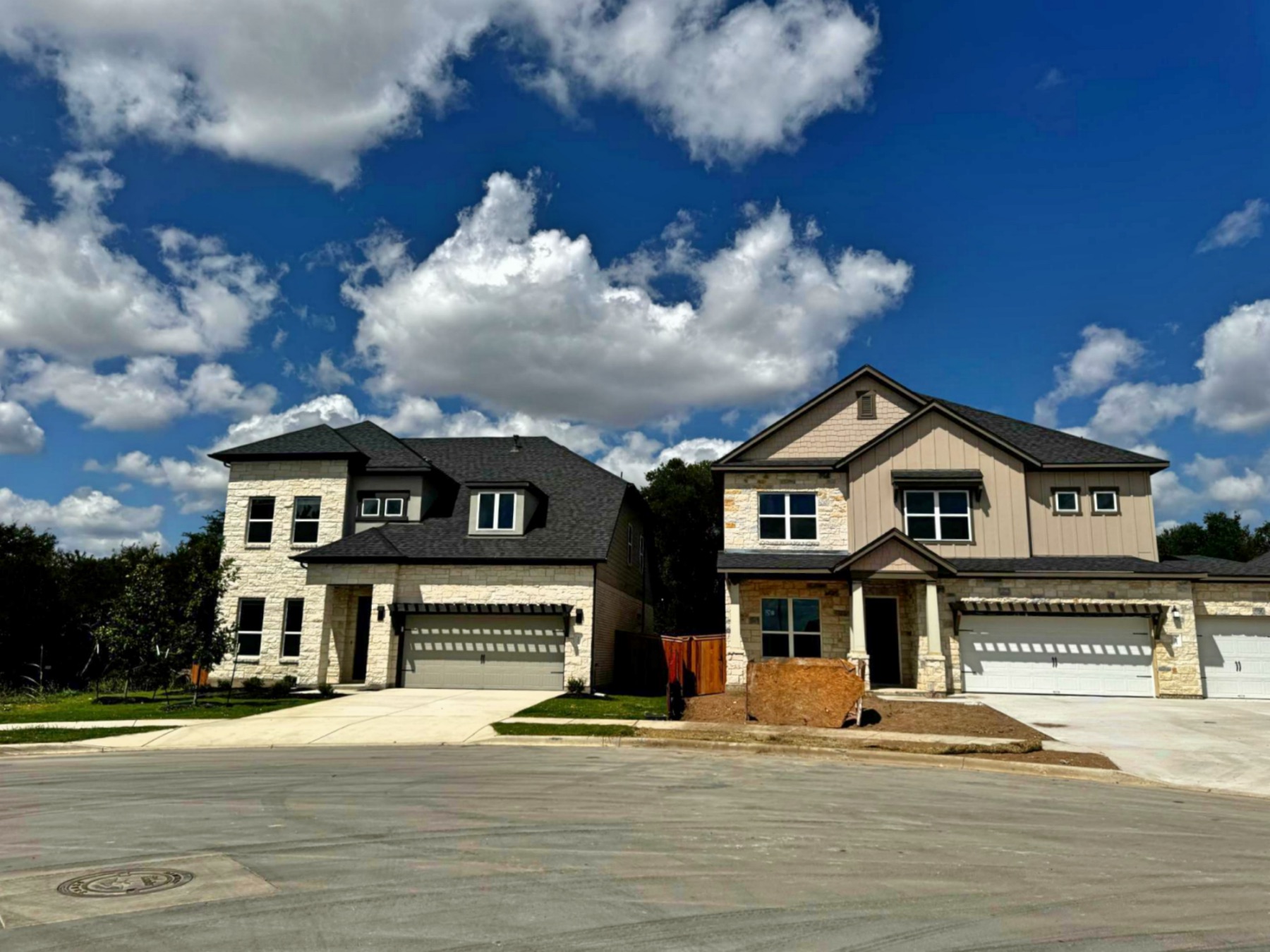
The cost of living comparison Texas cities reveals significant differences that compound over time. San Antonio offers maximum purchasing power, Dallas-Fort Worth provides corporate opportunities at higher costs, Houston balances amenities with moderate pricing, and Austin commands premiums for lifestyle and tech career opportunities.
Your choice should align with career goals, lifestyle preferences, and financial capacity. A $150,000 housing cost difference between Austin and San Antonio represents $750-900 monthly in mortgage payment variations—enough to fund retirement savings, children's education, or provide financial security cushion.
Consider total cost of ownership including insurance, taxes, transportation, and opportunity costs of time spent commuting. The "cheapest" option isn't always the most cost-effective if it limits career advancement or requires excessive commute time.
Ready to explore your options? Work with our team of experienced buyer's agents who understand neighborhood-level cost differences, can provide realistic insurance quotes, and help you model true monthly expenses based on your specific situation and priorities. Your Texas relocation success depends on having accurate, detailed financial information rather than metro-level averages that may not reflect your actual circumstances. For a more info about our team and how we can help buyers relocating to Austin, check out our Austin Buyers section and our Austin Relocation Guide. Then call/text us at (512) 827-8323 or email us at info@11OaksRealty.com for a no obligation consultation.
Contact an Austin Buyer's Agent
Austin Area Homes for Sale
For a complete overview of what to expect when our Moving to Austin TX: The Complete Guide covers everything you need to know before making the move.




Leave a Reply