

Quick Summary
- What it is: A service contract, called a residential service contract in Texas, that pays to repair or replace covered systems and appliances that break down from normal wear.
- What it isn’t: Homeowners insurance, a substitute for a home inspection, or a substitute for the seller’s disclosure.
- What is usually limited: Pre-existing conditions, maintenance issues, anything not named in the contract, and per-item or per-term caps.
- Who may benefit: Buyers with older systems and a thin repair budget who are willing to follow up on claims, and sellers who want to make an offer more appealing.
- How to decide: Read the sample contract, price the exact coverage you want, and compare the total cost to your own repair budget.
Is a Home Warranty Worth It? The Short Answer
Picture a buyer reading an offer and noticing a line that says the seller will reimburse the cost of a residential service contract. Is that a real benefit or a throw-in?
It depends on the home and on the contract. A home warranty is a service contract with limits. It can help with a covered breakdown, but it is not a guarantee that every repair gets paid for. I used to be more enthusiastic about them than I am now. Having worked with buyers and sellers on both sides of these contracts, I think they are a reasonable tool for some households and not much help for others. This guide lays out both sides so you can decide.
What a Home Warranty Is (and Isn’t)
Texas law calls these products residential service contracts. Under Chapter 1304 of the Texas Occupations Code, the Service Contract Regulatory Act, the companies that sell them must be registered and licensed through the Texas Department of Licensing and Regulation (TDLR), not the Texas Department of Insurance. The statute also exempts these contracts from the Insurance Code, which is why a home warranty is not insurance. The Texas Department of Insurance says the same thing in its consumer guidance: insurance pays for damage from events like fire or theft, while a warranty covers certain items that break down from normal wear.
No one is required to buy one. TDLR and the Texas Real Estate Commission (TREC) both note that a residential service contract is optional when you purchase a home.
Here is how the common protections compare:
| Home warranty | Homeowners insurance | Builder warranty | Home inspection | |
|---|---|---|---|---|
| What it is | A paid service contract for covered systems and appliances | A policy that covers loss to the home and belongings from named events | A promise from the builder on new construction | A report on the condition of the home on the day it is inspected |
| What it addresses | Breakdowns from normal wear, as defined in the contract | Fire, theft, weather and other covered events, not wear and tear | Defects in construction for a set period | Visible defects and safety concerns before you commit |
| Common limits | Exclusions, caps, service fees, pre-existing conditions | Deductibles, exclusions, coverage limits | Limited time frames by component | Reflects one day, not future failures |
| Oversight | TDLR | Texas Department of Insurance | Exempt from Chapter 1304, per the statute | Read the report and the inspector’s terms |
For a deeper look at insurance, see our guide to what Austin homeowners insurance actually costs. The FTC also points out that a home warranty is really a service contract, that it costs extra, and that some duplicate coverage you already have.
What Plans Typically Cover
By statute, a residential service contract can cover a structural component, an appliance, or an electrical, plumbing, heating, cooling, or air-conditioning system. In practice, plans are built from packages of those items. Many offer optional add-ons for things like pools, additional refrigerators, or other items that are not in the base plan.

- Systems: Heating, cooling, plumbing, and electrical are the usual core.
- Appliances: Ovens, dishwashers, and similar items are often a separate or combined package.
- Add-ons: Optional coverage costs extra and varies by plan.
- The rule that matters: If an item is not listed in the contract, it is not covered, no matter what the plan is called.
Plans and coverage vary by carrier. Decide which specific systems and appliances you want covered, then get a price for exactly that coverage. Comparing a base plan to a plan with add-ons is not comparing the same thing.
What Is Commonly Excluded or Limited
Texas requires a contract to spell out its limits. A residential service contract must state the products and services included and any limitation, exception, or exclusion, and it must say whether pre-existing conditions are excluded. Read that section first. The common ones:
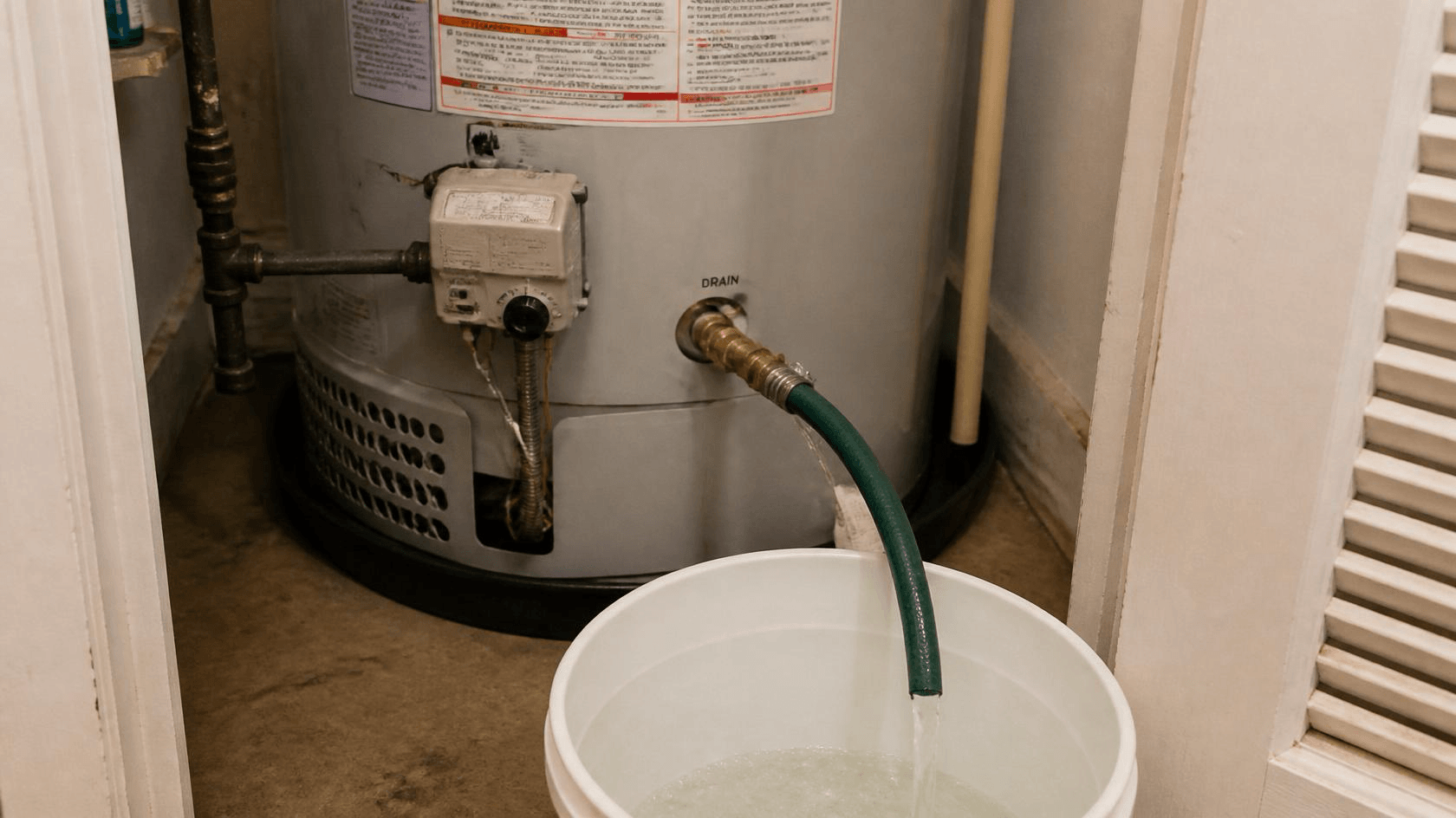
- Pre-existing conditions: A problem that was already there when the contract started may not be covered, even if the item is on the list.
- Improper installation or prior repairs: Work that was done incorrectly or a previous attempted repair can affect a claim.
- Maintenance: Items that fail because routine maintenance was skipped may be denied.
- Code or permit issues: Upgrades needed to meet current code, or access and permit problems, are often not part of the payment.
- Caps: Many contracts limit what they pay per item and per contract term, so a large repair may be only partly covered.
- Cosmetic damage and secondary damage: These are commonly excluded.
This is not meant to scare you. Exclusions are normal in a contract of this kind. They are simply the reason I tell every client to read the sample contract before deciding, not after a system fails.
How a Claim Works
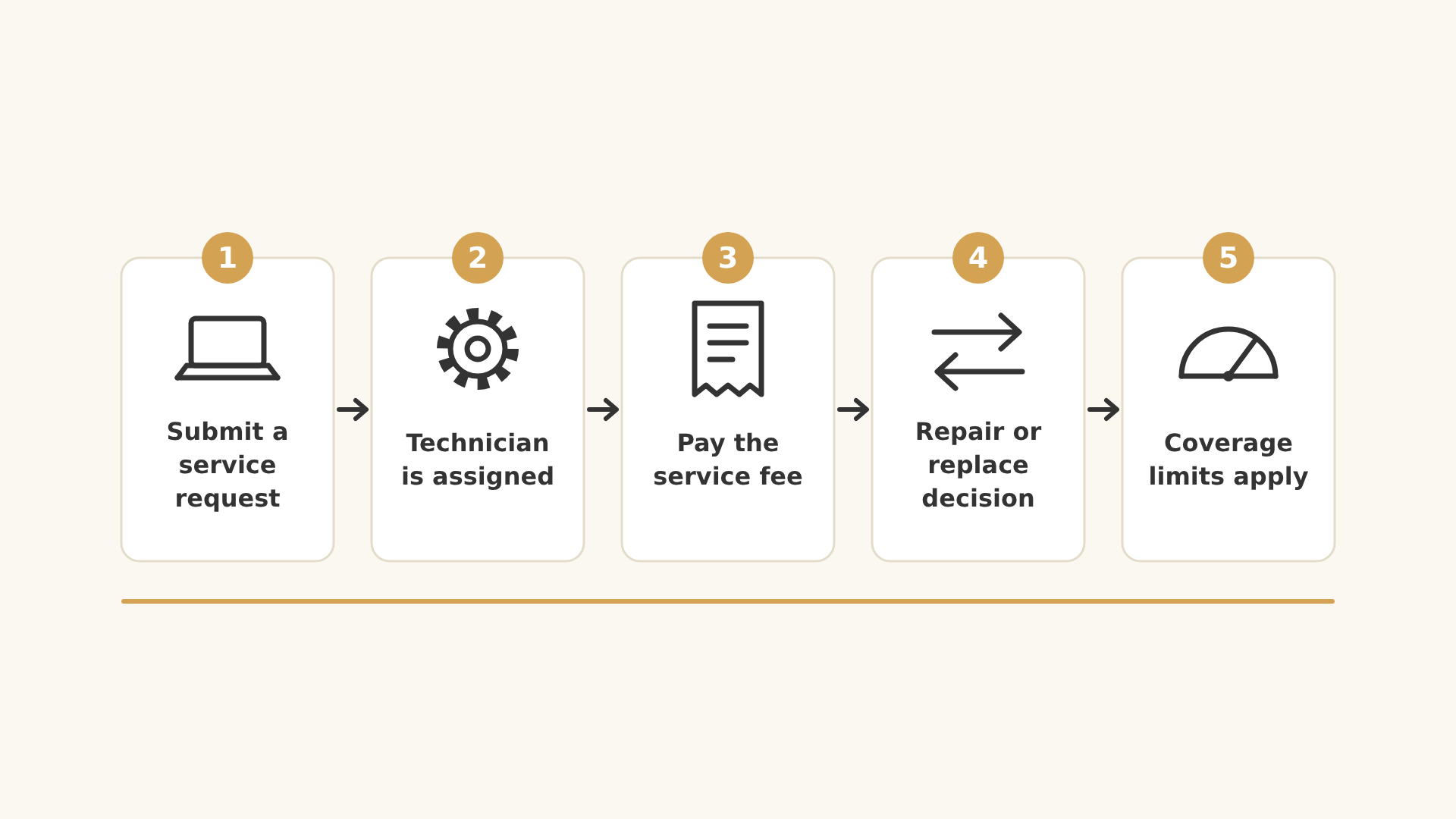
The process varies by contract, but it usually follows these steps.
- You submit a service request. Most companies take requests online or by phone.
- The company sends a technician. The company usually assigns the contractor, and who chooses is stated in the contract. Under Texas law, a residential service contract must say that under normal circumstances the provider will begin service within 48 hours of your request.
- You pay a service fee. This is a per-visit charge, separate from the plan price. Fees commonly run about $75 to $150 per visit, and some contracts charge a different amount for different trades.
- The company decides repair or replace. The contract spells out when an item is repaired, when it is replaced, and what limits apply.
- Caps apply. If a repair or replacement costs more than the per-item or per-term limit, you pay the difference.
Here is the honest part. A covered failure may be paid for, but it may also not happen during the time you hold the contract, and you may have to follow up persistently to get a covered claim handled. In my experience a home warranty is not the same as having a repair budget, and it should not be treated as one. If a claim is delayed or denied, TDLR runs an ombudsman for residential service contract holders who can act as a go-between at 512-936-3049.
Is It Worth It? A Decision Framework
There is no single right answer. Here are the questions I walk clients through.
For buyers, a warranty may be worth considering if:
- The major systems or appliances are older and the inspection report raised questions about them.
- Your cash reserve after closing is thin and a single large repair would be hard to absorb.
- You are comfortable reading the contract, keeping records, and following up on claims.
- The seller is paying for it, so the cost to you is small.
For buyers, it may not add much if:
- The systems are new or under a manufacturer or builder warranty.
- You would rather keep a repair fund and pay for repairs directly.
- The inspection found issues that the contract would exclude as pre-existing.
- You expect to spend more time on claims than the coverage is worth to you.
For most households I think of a warranty as one tool, not a plan. It costs money every year, covered failures might never occur during that time, and the claims process takes effort.
Questions to answer before you choose:
- How old are the HVAC system, water heater, and major appliances?
- What did the inspection find, and which of those findings would a contract exclude?
- What is the total annual cost for the exact coverage I want, plus the service fee per visit?
- Could I cover a typical repair from savings?

A warranty does not replace an inspection. The inspection is your first line of defense on the condition of the home, and our guide to why you should get a home inspection covers how it works. It also does not replace the seller’s disclosure, which Texas Property Code Section 5.008 requires sellers of most residential property to deliver on or before the effective date of the contract.
One more thing to weigh: some warranty companies require you to send them the home inspection report, and a detailed inspection can lengthen the list of items the contract treats as not covered or pre-existing. I still recommend a thorough inspection, because you should know what you are buying and the realistic condition of the house. But a thorough report may not do you any favors when it comes time to use the warranty. That is worth asking yourself before you buy: if the inspection turns up issues the contract would exclude, how much is the plan really adding? Read the sample contract to see whether the company asks for the report and how it treats what the report finds.
What Does a Home Warranty Cost?
Plans and coverage vary by carrier, so the right number is the price for the exact coverage you want. As a general range, published 2026 plan pricing for a typical Texas home most often falls around $600 to $800 per year, with basic plans lower and plans with add-ons higher. Service fees are separate and commonly run about $75 to $150 per visit. Confirm current pricing in the company’s written quote and sample contract before you decide, because plans and prices change.
Buyers: How It Fits the Texas Contract
In the TREC One to Four Family Residential Contract (Resale), the current form is TREC No. 20-19, and Paragraph 7H covers residential service contracts. In plain terms, the buyer may choose to buy a residential service contract, the buyer selects the company, the company must be licensed by TDLR, and the seller can agree to reimburse the buyer at closing up to a dollar amount written into the contract.

Fewer buyers requested a home warranty after the market surge of 2021 and 2022, when sellers were not paying for much of anything. I am seeing the requests come back, though not to the level they were before the peak. If a warranty is something you want, I recommend requesting that the seller pay for it as part of your offer, and writing the amount into Paragraph 7H. For how seller-paid items are negotiated, see our guides on who pays closing costs in Austin and seller-paid closing costs. Timing matters too, so review your option period in our guide to the Texas option period and inspection.
TREC also publishes a form called Disclosure of Relationship with Residential Service Company (RSC-3). It shows whether a real estate license holder receives compensation from a warranty company. It also states that buying a contract is optional and that the buyer may choose any company.
Sellers: Offering a Warranty
Sellers sometimes offer a warranty to make a listing more appealing. Here is how I weigh it.

Reasons a seller might pay for one:
- A known, limited cost: The reimbursement amount is capped in the contract, so you know the most you will pay, which can be easier to plan for than a price reduction.
- Buyer confidence: After a stretch when buyers stopped asking for things like warranties, some are asking again. Offering one can give a buyer a reason to feel more comfortable.
- A negotiating option: It can be one item among several when you and the buyer are working through terms.
Reasons a seller might not:
- It is a real cost: The marketing value may not match the expense in a strong market.
- It is not a repair credit: A buyer who wants repairs may prefer other terms.
- It does not replace disclosure: A warranty does not take the place of the seller’s disclosure notice or the buyer’s inspection.
How to Read a Home Warranty Contract
Use this checklist on the sample contract before you commit.
- Covered list: Which systems and appliances are named?
- Exclusions: What is excluded, and does the contract exclude pre-existing conditions?
- Caps: What are the limits per item and per contract term?
- Service fee: How much is each visit, and does it vary by trade?
- Claim process: How do you submit a request, and who selects the contractor?
- Repair or replace: What decides which one happens?
- Inspection report: Does the company ask you to send the home inspection, and how does it treat what the report finds?
- Cancellation: Texas law requires a contract to let you cancel at any time. If you cancel within 30 days of purchase, the provider must refund the purchase price less any claims paid. After that the refund is prorated. Check the terms in your contract.
- Renewal and transfer: What happens at renewal, and can the contract be transferred? The right to cancel does not transfer to a later owner.
- Licensing: Is the company licensed by TDLR?
Where to Go With Complaints or Questions
TDLR regulates residential service companies. You can file a complaint through the TDLR complaints and enforcement page, and TDLR’s residential service contract ombudsman can help with claim delays or denials at 512-936-3049. TDLR also publishes a consumer guide to residential service contracts with questions to ask before you choose. For homeowners insurance questions, contact the Texas Department of Insurance.
Frequently Asked Questions
It depends on the age of the systems, your repair budget, and the contract. A home warranty is a service contract with limits, and a covered failure may never happen while you hold it. Price the exact coverage you want, read the exclusions, and compare the total cost to what you could cover from savings. (Texas Occupations Code Chapter 1304; FTC Consumer Advice, Warranties for New Homes.)
No. The Texas Department of Insurance explains that insurance pays for damage from events like fire or theft, while a warranty covers certain items when they break down from normal wear. Texas law exempts residential service contracts from the Insurance Code, and TDLR, not the Texas Department of Insurance, licenses the companies. (TDI; Occupations Code Section 1304.005.)
That depends on the contract, but common limits are pre-existing conditions, improper installation, items not listed in the contract, and caps per item or per term. Texas requires a contract to state its limitations, exceptions, and exclusions, and whether pre-existing conditions are excluded. (Occupations Code Section 1304.156.)
No. TDLR and TREC both state that buying a residential service contract is not required when you purchase a home. (TDLR; TREC.)
Yes, it can be negotiated. In the current TREC resale contract (Form 20-19), Paragraph 7H lets the seller reimburse the buyer at closing for a residential service contract, up to a dollar amount written into the contract. The buyer selects the company, which must be licensed by TDLR. (TREC Form 20-19.)
Often not. Many contracts exclude pre-existing conditions, and Texas requires the contract to say whether it does. Read that clause in the sample contract before you buy, and use your home inspection to understand the condition of the home. (Occupations Code Section 1304.156.)
File a complaint with TDLR, which regulates residential service companies. TDLR also has an ombudsman for residential service contract holders who can help with claim delays or denials at 512-936-3049. (TDLR consumer guide, form CP FORM-211, Oct. 2022.)
That is a choice, not a requirement. It can add buyer confidence and gives the seller a known, capped cost, but it is a real expense and it does not replace the seller’s disclosure notice under Texas Property Code Section 5.008. Weigh it against your price, timing, and what buyers in your area are asking for.
Talk Through Your Options
Whether a home warranty makes sense depends on your price, your timeline, and what the home inspection turns up. If you are buying or selling in Austin and want a straight answer on how it fits your situation, we are happy to walk through it with you.
Call or text: (512) 827-8323 | Send a text
Email: info@11OaksRealty.com
This guide is general information, not legal, insurance, or financial advice. Contract terms and Texas rules can change, so confirm the details with the contract itself and with TDLR.




Leave a Reply