
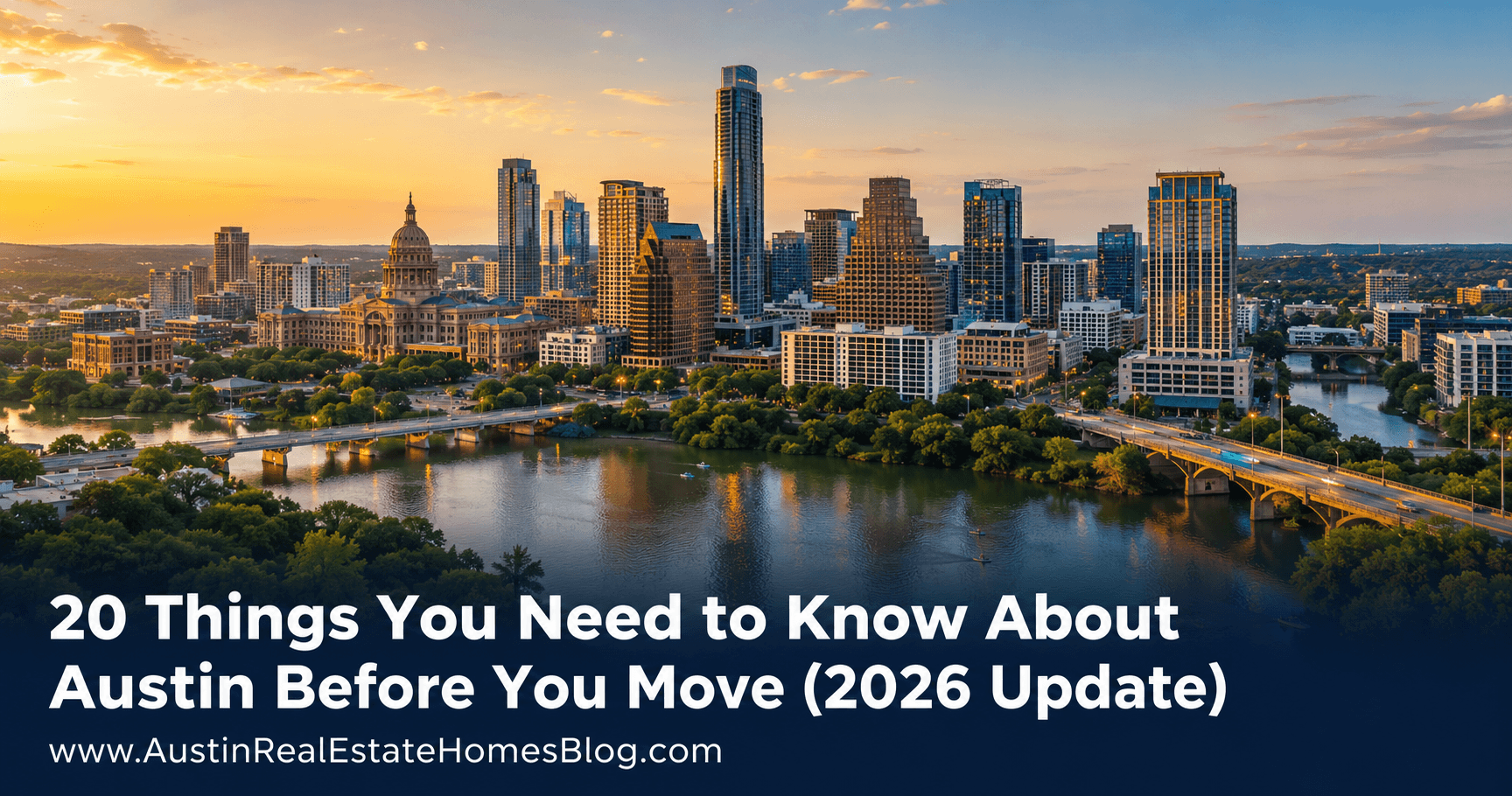
When I relocated to Austin about fifteen years ago, there were so many things I didn’t know. I took a few trips before I moved to get to know the Austin area. Though that helped, I learned a lot more by actually living here. In a previous post, I candidly shared the 10 Reasons We Relocated to Austin and thought I’d share some realities about Austin that most people don’t find out until they live here. Some you may find positive, others not so much. But, if you’re going to pack up everything you own, you probably want to know as much as you can — good and bad — about the place. Here are the 20 things you need to know about Austin before you move.
Updated June 2026: A lot has changed since we first published this post. The housing market went through a historic boom and a real correction. Austin officially crossed one million residents. We got a professional soccer team. And in February 2021, Winter Storm Uri reminded everyone that Austin winters deserve serious respect. We’ve refreshed every section below with what’s true today.
20 Things You Need to Know About Austin Before You Move (2026 Update)
I’ve come up with a list of the 20 things you need to know about Austin before you move as a way to explain some of the little things I discovered after I moved to Austin. Having grown up in the San Francisco Bay Area (Belmont, CA to be exact) and living in Atlanta, GA for college, I found the perception of Austin and Texas especially are very different than the reality.
#1: Austin is Hot But Usually Not Uncomfortable

I know you’ve checked weather.com to find out just how hot Austin is. You might have been frightened by the 100+ degree days we can have and thought, there is no way I can live in Austin. One thing I’ve found in my 15+ years living here is the temperature gauge is not a good indicator of how comfortable it is outside. I’ve spent lots of time in the South and in Florida and find I am uncomfortable and hot at 85 degrees. In Austin, it only gets uncomfortable if the temperature gets to be above 100 or if you are standing in direct sun. 90 degrees doesn’t feel like 90 degrees in other parts of the country. Though Arizonans don’t agree, Austin is a dry heat and is not often humid, which makes a huge difference. That said, 2023 set records with back-to-back 100°+ days stretching well past a month — the longest such streak on record. The trade-off is that even a record Austin summer still feels more manageable than 85° and humid in Atlanta or Houston. The reality is Austin is really hot for about 8–10 weeks a year, and the rest of the year is pretty comfortable.
An added plus for Austin compared to other major Texas cities is it is located at the edge of the Texas Hill Country, which cools off faster. If you want to live in a cooler climate, try Dripping Springs or Driftwood, the west side of Leander or Spicewood.
#2: Austin is Not 100% Texas
Austin is a unique Texas city. With the University of Texas and a liberal leaning political scene Downtown, Austin is not the conservative Texas town you’d expect. With many transplants from the coasts, Austin acts more like a coastal city than a traditional Texas city. That said, the post-COVID era has added some nuance. A wave of transplants has arrived from all over — including many who specifically chose Texas for its politics, not despite them. The outer suburbs of Williamson and Hays Counties are becoming more politically diverse as the metro expands. And regardless of how Austin votes locally, state-level policies on taxes, insurance, and other issues affect everyone in Texas. If you’re relocating from a blue state, it’s worth researching Texas state law on issues that matter to you before you move — so you arrive with clear expectations.
For those who want a more traditional Texas political climate, try Hays County cities like Buda, Dripping Springs, Driftwood, and Wimberley. For a more progressive environment, stay closer to Austin proper or neighborhoods like Hyde Park, South Congress, and East Austin.
#3: People are Friendly
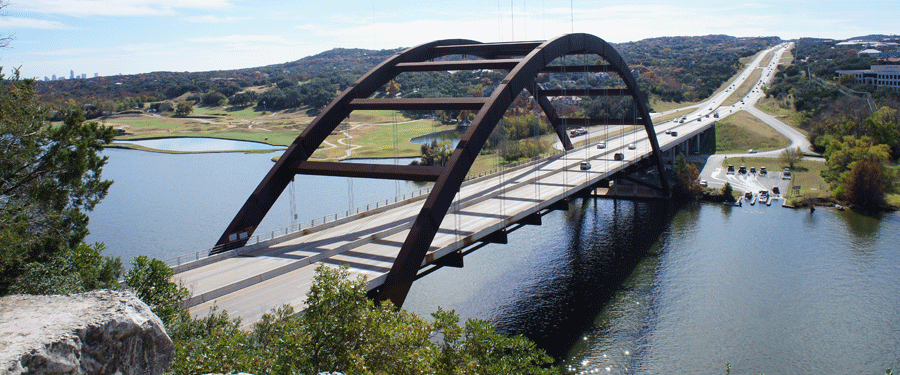
Though Texas would never claim the South and the South would never claim Texas, Austin tends to lean more Southern in terms of the friendliness of the people. I always tell people when they visit Austin to determine if it is a place they’d like to relocate — strike up conversations with people when you are out. Austinites are always willing to give you their opinions and will probably talk to you for longer than you want to talk to them. When you move, get involved in either neighborhood activities or some clubs and you’ll have more friends than you probably had back home. Most everyone is a transplant and they understand what it’s like to be new.
I have several stories of going to house warming parties of clients who just moved to the area and showing up to a house full of people. Most of the time it is within weeks of them moving in and they have already met their neighbors, made friends with parents at their kid’s schools and co-workers. One couple told me they lived in their home town for 30 years and they would have never had this many people at a house warming party there if they would have decided to stay where they were and buy a house. Another testament to how friendly Austin is.

# 4: Austin Traffic Sucks
Austin’s metro area has grown to nearly 2.3 million people, and the traffic has grown with it. Austin has one primary interstate (IH-35) running through the heart of the city. It used to be that you could avoid traffic by traveling during non-peak hours, but those windows have shrunk considerably.
That being said, traffic is nowhere near what you find in cities like San Francisco, Atlanta, LA and virtually all other large metro areas. But, you will hear locals really complain about traffic because it is a significant increase in what they’ve seen. To be honest, I’ve seen a significant increase in traffic in the nearly 10 years I’ve lived here. What has improved: the MoPac Express managed lanes are fully operational and can make a real difference during peak hours. The big item to know right now is the I-35 Capital Express Central project, actively rebuilding the stretch of I-35 through downtown Austin — disruptive through approximately 2028. Austin voters also approved a $7.1 billion Project Connect transit plan in 2020, with light rail construction beginning in 2027 and the first line expected to open around 2033. It’s coming, but if you’re moving this year, plan your life around a car.
If you want to minimize time spent sitting in traffic, either live as close as possible to work or try to stick with an east/west commute. If you work Downtown, look at neighborhoods off 71 or 290 rather than north suburbs like Round Rock or Cedar Park. MoPac, I-35, and 620 are much busier during commute hours than 71 or 290.
#5: Small Businesses Rule

Though you will see your national chains in Austin (mostly in the suburbs), but for the most part Austinites support local businesses when they can. Even our grocery stores, H-E-B and Whole Foods are Texas companies. Austin has always been a very friendly city for small businesses, so you’ll see many local coffee shops, local restaurant chains and shops tend to do better than the big chains. Even in the job market, many more small to medium sized businesses employ Austinites than the large corporations.
Some of our favorite local coffee shops include Summermoon, which has several Austin area locations now, Radio Coffee & Beer on Manchaca Road — a true Austin institution with live music and a great outdoor patio — and PicNik on Burnet Road for dairy-free coffee options.

Some of our favorite local restaurants include The Peached Tortilla and Chi Lantro, which both started as a food trucks, Hopdoddy Burger Bar, and Uchi for world-class sushi. (Note: Noble Pig has closed — Chi’Lantro on South Lamar is a great replacement for that Korean-Mexican craving.)
#6: Some of Our Best Food is From Food Trucks
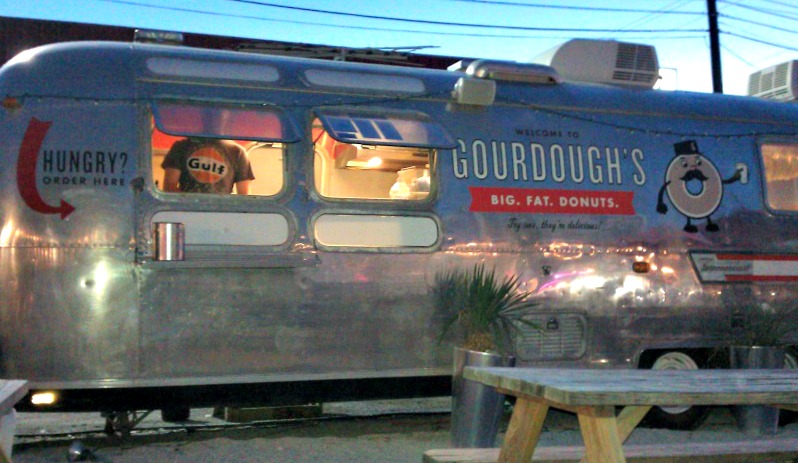
In most cities, food trucks are often called “Roach Coaches” and are not very popular. Not the case in Austin. One of the first cities responsible for the nationwide food truck craze, Austin food trucks have some of the best food. You’ll find them at bars, in food truck parks and traveling around the city. When you see one, don’t be afraid to try it! One Austin food rite of passage: Franklin Barbecue on East 11th. What started as a trailer became one of the most famous barbecue restaurants in the world — plan on a 1–2 hour wait, but it’s worth it at least once.
#7: Austin Sports: It’s Not Just College Anymore
This has changed completely — Austin now has professional sports. Austin FC joined Major League Soccer in 2021 and has sold out every single home game since opening day — all 92 of them, the longest active sellout streak in MLS. Q2 Stadium holds 20,500 fans, has a roof that makes it exceptionally loud, and a passionate supporter culture known as “Los Verdes.” If you love soccer, Austin FC games are one of the best things you can do in this city.
On the college side, the University of Texas officially joined the Southeastern Conference (SEC) in July 2024, alongside Oklahoma. The Texas–Texas A&M rivalry — on hiatus since 2012 — is back, and UT is now competing in the highest-profile conference in college football. Game days in Austin are a very big deal.
And then there’s Formula 1. The United States Grand Prix at Circuit of the Americas (COTA) is held every October — the 2026 race weekend is October 23–25 — and draws hundreds of thousands of visitors. Traffic is significant during race week, but it’s one of the most electric events Austin hosts all year.
#8: Austin is Proud of Being Weird
Keep Austin Weird is a motto you’ll see in the tourist t-shirt shops and on bumper stickers and it is a motto many Austinites live by. Take a walk down South Congress Ave or Burnet Road and you’ll see what I’m talking about. One honest tension: many long-time Austinites feel that rapid growth and corporate relocations have changed the city’s character — some iconic spots have been replaced by chains or high-rises. But Austin’s weird streak isn’t dead; it’s just moved to different zip codes. East Cesar Chavez, South Lamar, and pockets of North Loop still have it.

#9: You Need a Car
One thing Austin is lacking in is public transportation options. We do have a light rail, but unless you live and work near a stop, it makes it a pretty inconvenient option. Unfortunately I don’t see that changing too much as the city has already been developed. You sometimes hear about it discussed at city council meetings, but But construction on light rail begins in 2027, with the first line expected around 2033. CapMetro has also improved its MetroRapid bus service. If you’re settling in Round Rock, Cedar Park, Georgetown, Kyle, Buda, or Dripping Springs, you’ll need your own transportation for the foreseeable future.
#10: Freeway Access Roads Only Go One Way
This one was difficult to get used to at first, but now that I am, I find it to be pretty easy to navigate. The access roads located next to the freeways only go in one direction. If you want to travel north, you’ll be on the north side of the freeway. South? You’ll be on the south side of the freeway. The one time where this can be frustrating is if you miss your exit. It can take you 5+ miles out of the way to make the u-turn.

#11: The Austin Housing Market Has Matured
Most people have a skewed version of our real estate market in Austin — either they followed the COVID boom and think Austin is unaffordable, or they followed the correction and think it crashed. Neither is the full story.
Austin had one of the most dramatic real estate runs in the country from 2020 to spring 2022, with homes selling in days above asking price. Then the market corrected sharply as interest rates rose in 2022. Today the market has stabilized: the median sold price across Travis, Williamson, and Hays Counties over the last 60 days is $460,000, with a median of 31 days on market and sellers receiving about 98% of list price — a healthy, balanced market, nothing like the frenzy of 2021.
Austin remains more expensive than the US national median but is no longer the overheated outlier it was at peak. And unlike coastal cities with no room to build, Austin still has land — particularly in the suburbs — providing a natural ceiling on how far prices can run. One thing many newcomers miss entirely: home insurance. See the next section. When you’re ready to start your search, check out our Austin Home Buyers section for more on how we work. If you’re balancing a demanding schedule with your home search, our home buying tips for busy professionals in Austin covers how to keep the process moving without taking time off work.
#12: Home Insurance Will Surprise You
This is the #1 financial shock for new Austin homeowners, and almost nobody warns you about it ahead of time. Texas homeowner’s insurance has gotten very expensive, very fast. For a standard $300,000 dwelling coverage policy in Austin, averages run around $2,600 per year. For a home needing $400,000+ in coverage — which describes most Austin homes at today’s prices — expect $3,200 to $5,000 or more annually, depending on the age of the home and roof condition.
The drivers are real: Texas recorded $10.2 billion in insured homeowner losses in 2024 alone, with hail accounting for nearly $5 billion of that. Several major carriers have reduced their Texas exposure, and the memory of Winter Storm Uri — when burst pipes caused catastrophic water damage across hundreds of thousands of homes — has made underwriters more cautious.
My strong advice: get homeowner’s insurance quotes before you make an offer on a home, not after. Ask your lender to walk through a full PITI breakdown (Principal, Interest, Taxes, and Insurance) before you fall in love with a house. The monthly number can look very different once insurance is factored in. Luxury buyers especially: read our guide to Austin luxury home property taxes before you make an offer — MLS tax estimates are often wrong, and the real number can add $2,000/month or more.
#13: There’s a Festival for Nearly Everything
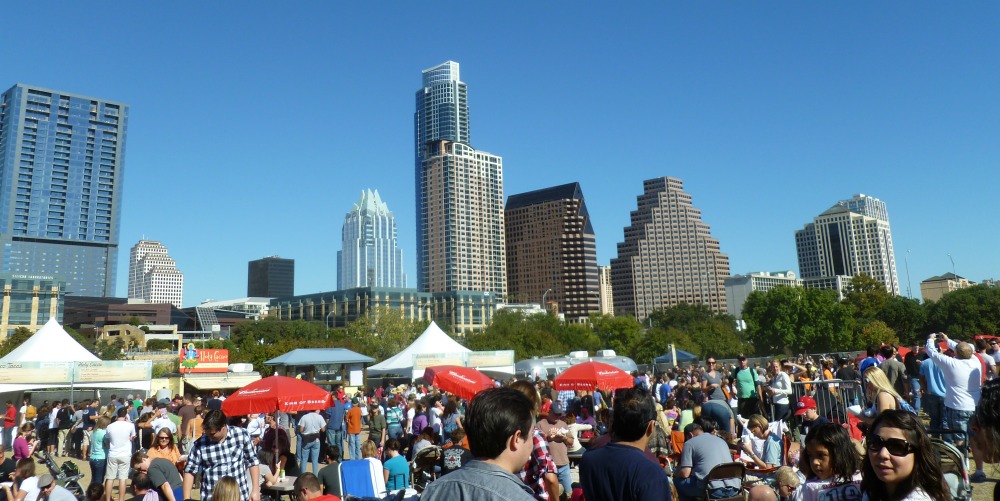
No matter what your interest is, you can be sure you will find a festival for it. Some of the festivals like ACL and SXSW attract visitors from all over the world, and others are more localized. You’ll also find most of our festivals — no matter how weird or obscure — are pretty well attended. One you might not know about if you’re moving from out of state: the Formula 1 United States Grand Prix at Circuit of the Americas (COTA), held every October (the 2026 race weekend is October 23–25). It draws hundreds of thousands of people and is one of the most electric events Austin hosts all year.
#14: Horses and Cows Don’t Roam Free
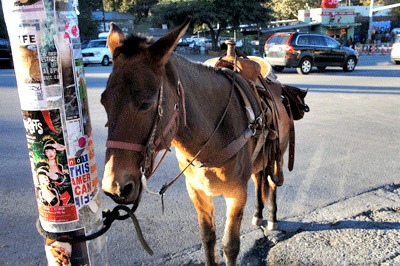
To me this sounds crazy, but I can’t tell you how many times I’ve heard from clients and even my own family. My cousin told me he couldn’t move to Austin because horses and cows roam free. I have no idea where this came from, but it is absolutely not true. You will, from time to time, see a horse tied to a pole on South Congress and some Austin neighborhoods do allow cows and horses, but they don’t just roam the streets.
#15: Bugs Aren’t Taking Over
Bugs are another hot topic for many considering a move to Austin. Most people are afraid Austin is overwhelmed with bugs that are bigger than birds, which isn’t true. We have normal sized bugs and very few of them at that. If you live in Georgetown, Buda, Dripping Springs or Driftwood (cities where you’ll find larger lots and a more rural setting), you’ll see more bugs than if you live in Austin, Cedar Park or Round Rock. But, even in the more rural cities, we don’t have an out of control bug population. Thankfully, we also have a large bat population which takes care of a lot of the bugs.
#16: The Ocean is 3 Hours Away

Coming from San Francisco, this was one of the harder things to get used to. Even though I rarely went, knowing the ocean was 20 minutes away was oddly comforting. It also makes for a beautiful cityscape. Though Austin doesn’t have a coast, the good news is there is one 3 hours away, so if you’re dying for a salty sea air fix, you can get it on a weekend trip. The Texas beaches don’t compare to the California or Florida beaches, but it is the coast and there are beaches. So, if you’re dying for a beach fix, you have something.
#17: Austin Has Winter — and We Mean It

You hear more about Austin heat outside of Austin than anything else. But what everyone forgets to mention is Austin does have winter — and after February 2021, the whole city treats it differently.
Winter Storm Uri hit Austin and the rest of Texas on February 10–20, 2021. It was the worst natural disaster in Texas since the 1900 Galveston hurricane. Millions of Austinites lost power for three to seven days in sub-freezing temperatures. More than 240 people died across Texas. Hundreds of thousands of homes had pipes freeze and burst, costing homeowners tens of thousands of dollars in repairs. Everyone who lives in Austin now has a Uri story.
Since then, real improvements have been made: ERCOT conducted 7,400+ weatherization inspections and added over 11,000 megawatts of new capacity. The grid handled a severe winter storm in January 2026 without a systemwide failure. But the Texas grid is still standalone — not connected to the national grid. If you’re buying a home, find out whether attic and exterior pipes are insulated, know where your water shutoff is, and consider a backup heat source. Every Austin homeowner takes these things seriously now.
For those from the Midwest and East Coast, Austin’s worst winters don’t compare to what you’ve lived through. But for those coming from warmer climates, know that winter is real here — and rarely but meaningfully, it can be severe.
#18: Austin is Still a College Town
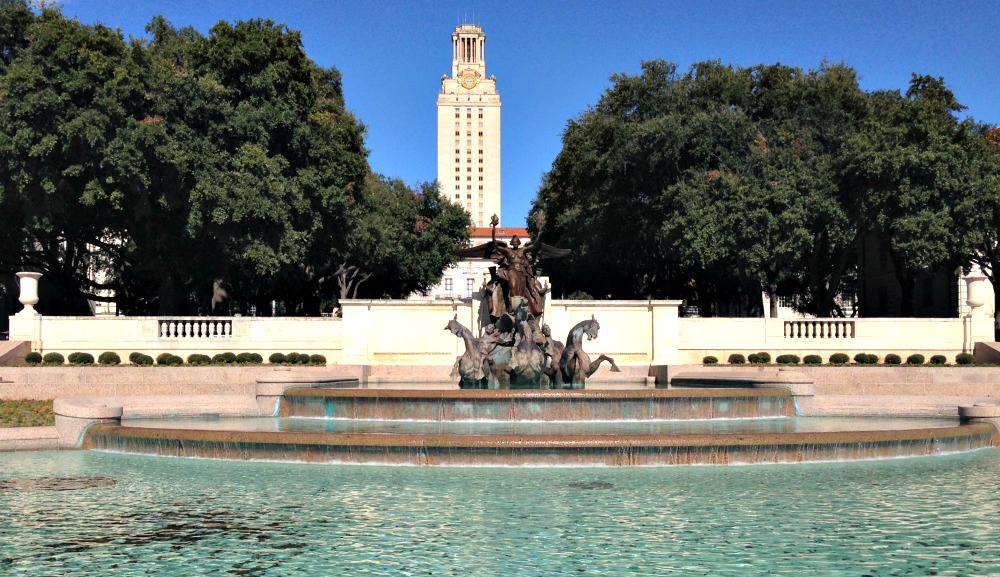
Though Austin has grown faster than it probably wanted to, deep down, it is still a college town. More than 51,000 students attend UT, and several thousand are employed there as well. You’ll notice during the summer when many of the kids are home for break, the city slows down, especially around Downtown. UT has also In July 2024, the University of Texas officially joined the Southeastern Conference (SEC), alongside Oklahoma. The Texas–Texas A&M rivalry — on hiatus since 2012 — is back, and SEC game weeks in Austin are a major community event. UT’s students are from all over Texas, the US, and outside the country, and many of them love Austin so much they decide to stay.
#19: Austinites Have Their Own Pronunciations
If you’ve read our Austin Street Pronunciation Guide, you know Austinites don’t pronounce things the way they are spelled. For example, Burnet Road is pronounced “Burn-IT”, Guadalupe is pronounced GWADA-loop, queso is pronounced “kay-so” – the list goes on and on. The fastest way for an Austinite to tell if you are new to town is if you insist on using the widely accepted pronunciation of certain words. My advice, learn the quirky pronunciations and use them.
#20: Austinites Love Lines
Free taco day, a legendary BBQ pit, a new hot restaurant – whatever the give away, you can be sure there will be a longer line than you’d expect. When I first moved, Torchy’s was giving away free tacos so we thought we’d check it out. We got there a few minutes before the promotion was supposed to start and no kidding, the line was out the door and wrapped around the building. Though we were the minority, we opted to skip the line and try a new taco place down the block. Torchy’s has since grown to over 100 locations nationally, but that spirit of showing up for anything beloved or free? Still very Austin. And if you want to experience Austin’s most legendary line, head to Franklin Barbecue on East 11th — arrive by 8 or 9 AM for an 11 AM opening and plan to wait 1–2 hours. Worth it at least once.

Would We Still Choose Austin?
Absolutely — more than ever, actually. After fifteen-plus years, Austin has surprised me in ways I didn’t expect, and some of those surprises, like Winter Storm Uri, were genuinely hard. But this city has energy, warmth, and a spirit that’s difficult to find elsewhere. It’s changed, it’s grown, and it’s still becoming whatever it’s going to be. If you’re thinking about moving here, I think you’ll love it — and now you’ll be better prepared than most people who arrive.
Considering Relocating to Austin?
We have been in your shoes and know what it’s like to relocate to Austin without knowing anyone. We also know the area better than any Realtor in town and won’t push you to our favorite area of town because it is easier for us. We take the time to listen to what you’re looking for, even if you don’t know where to find it, and help you find the area that you and your family will most enjoy living in. For more info about our relocation program, check out our Guide to Relocating to Austin, where you’ll find more tips and learn more about our team. Then, fill out our Relocation Survey, email us at info@11OaksRealty.com or call us at (512) 827-8323 to schedule a no obligation in person or phone consultation.
Thinking About Making the Move to Austin?
We’ve helped dozens of families relocate to Austin from all over the country — and after fifteen-plus years living here ourselves, we know this city better than most. We’ll help you figure out which neighborhood fits your lifestyle, your commute, and your budget, without steering you toward any particular area.
Or reach us directly at (512) 827-8323 or info@11OaksRealty.com — no obligation, no pressure, just a real conversation about whether Austin is the right move for you.


Leave a Reply