
Most Austin relocation guides tell you what you already know: no state income tax, great BBQ, live music, warm weather. You have already read those. What those guides rarely cover are the things that catch out-of-state buyers off guard after the move: property tax bills they did not budget for, hidden utility district fees stacked on top of those taxes, summers that bear no resemblance to the mild weather experienced during an October visit, and a real estate process that works differently from almost every other state.
This guide is written by Rebecca Jacks, a buyer’s agent licensed since 2007 and a 15-year Austin resident. I have guided hundreds of relocation buyers through this process. The ones who arrive happiest are the ones who did their financial homework first, visited in August, and bought in the area that actually fits their daily life.
The ones who struggle? They ran a mortgage calculator, fell in love with a house, and figured the rest out later.
My goal here is not to talk you out of Austin. This city is genuinely excellent, and for the right person the move is absolutely worth making. My goal is to make sure you arrive with the full picture so nothing in year one surprises you.
Here is what this guide covers: the financial math most relocation content skips, where the 2026 market stands, lifestyle realities from someone who has watched Austin change over 15 years, the Texas real estate process and the elements that catch out-of-state buyers off guard, and five questions to ask yourself before you sign a contract.
If you have specific questions after reading, I am happy to talk. There is no sales pitch at the end — just a conversation.
The Financial Math Nobody Prepares You For
This is the section to read carefully. The financial picture in Texas looks different from most states, and generic mortgage calculators and relocation guides consistently underrepresent it. What follows is meant to make sure you budget correctly before you fall in love with a specific price range.
Property Taxes Are Not What You Expected
Texas's no-income-tax advantage is real. If you are moving from California, New York, or Washington, the income tax savings are significant and should absolutely factor into your analysis.
What gets missed in that calculation is property taxes. Texas property taxes are among the highest in the country, and they apply regardless of whether you make money on the home or not.
In Travis County, the effective property tax rate averages 1.8 to 2.2 percent. The national average sits around 1.0 to 1.2 percent. On a $500,000 home, that difference adds up fast:
| Austin (Travis Co.) | California | Washington | New York | |
|---|---|---|---|---|
| Property Tax Rate | 1.8 - 2.2% | ~0.7% | ~0.9% | ~1.5% |
| Annual Taxes ($500K home) | $9,000 - $11,000 | ~$3,500 | ~$4,500 | ~$7,500 |
| Monthly Tax Payment | $750 - $917 | ~$292 | ~$375 | ~$625 |
That monthly tax line is what generic mortgage calculators miss. A buyer from the Bay Area who sees $550,000 Austin homes and thinks "that's half of San Jose prices" is right about the purchase price and wrong about the monthly carrying cost.
Texas's homestead exemption helps. The 2024 law change raised it to $140,000, which reduces the taxable value of your primary residence. On a $500,000 home, your taxable value drops to $360,000, reducing annual taxes to roughly $6,500 to $7,900. Meaningful -- but still well above the national average.
MUD Districts -- The Hidden Layer Most Buyers Never Heard Of
If you have been looking at new construction or suburban homes in the Austin metro area, there is a reasonable chance you have never encountered the term Municipal Utility District. That gap in awareness is the single most common financial surprise among out-of-state buyers, and it deserves more than a footnote.
Comparing the suburbs themselves? Our North Austin Suburb Showdown breaks down Cedar Park, Round Rock, Leander, Georgetown, and Pflugerville.
Here is what a MUD is: when developers build new communities in areas that lack existing city infrastructure, they finance the roads, water lines, sewer systems, and drainage through a special taxing district. Homeowners in that district then pay a separate tax, on top of the base county and city property tax rate, until the district's debt is paid off.
MUD tax rates vary considerably:
- New construction in active MUDs: commonly 0.4 to 1.0 percent of assessed value per year
- Older, paid-off MUDs: 0.0 to 0.1 percent (the debt is retired)
- On a $450,000 home in an active MUD at 0.75 percent: approximately $3,375 per year, or $281 per month, added on top of your base property taxes
Areas most likely to have active MUDs include Pflugerville, Hutto, Kyle, Buda, Manor, and newer construction in Cedar Park and Leander. MUDs are not inherently bad -- they are why these communities have functional infrastructure -- but they need to be in your budget.
How to check before you buy: your agent should pull the tax certificate on any home you are seriously considering before you write an offer. The certificate shows every taxing entity and its rate. If your agent is not doing this routinely, ask for it.
For a deeper look at the relocation process and financial planning timeline, see our guide to relocating to Austin from out of state.
Homeowner's Insurance Sticker Shock
Texas insurance costs have risen substantially over the past several years. Three factors are driving it: hailstorms (Austin sits in a hail-prone corridor), the 2021 winter storm freeze event, and increased flooding risk in parts of the Hill Country.
What to budget:
- Average Austin homeowner's insurance: $1,500 to $4,000 per year, depending on home age, materials, zip code, and the claims history in the area
- Flood insurance: Hill Country buyers are often surprised to find their property is in a FEMA flood zone. Standard homeowner's policies do not cover flooding. Flood insurance adds $800 to $2,500 per year or more
- Summer electricity: A well-insulated home in Austin will run $250 to $400 per month for electricity in July and August. Older homes with inadequate insulation run higher
For a full breakdown of the costs that typically catch first-time Austin buyers off guard, see our true cost of buying a home in Austin guide.
Your True Monthly Payment vs. What You Budgeted
Let us put this together with a concrete example. A $500,000 home, 20 percent down, current rate assumptions:
| Purchase Price | $500,000 |
| Down Payment (20%) | $100,000 |
| Loan Amount | $400,000 |
| Principal & Interest (7.0%, 30-year) | $2,661/month |
| Property Taxes (Travis Co., after homestead exemption, ~$360K taxable at 2.0%) | ~$600/month |
| Homeowner's Insurance | ~$200/month |
| MUD Tax (if applicable, 0.5% on $500K) | ~$208/month |
| HOA (if applicable, estimate) | ~$150/month |
| Total Monthly Payment | $3,819 - $4,027/month |
If your mortgage calculator told you $2,800, you were working with incomplete information. That gap -- often $1,000 to $1,200 per month -- is what creates financial strain in year one.
The general rule of thumb for the $450,000 to $550,000 price range in Austin: plan for a household income of $100,000 or more to carry the full payment stack comfortably.
What the 2026 Market Actually Looks Like
It's Not 2022 Anymore (That's Good News If You're Buying)
The 2021 to 2022 Austin market was unlike almost anything seen in a major U.S. metro. Homes sold 20 to 30 percent above asking price. Waived inspections were common. Out-of-state buyers were writing offers sight unseen. That market is gone.
What followed was a meaningful correction. Values softened 10 to 15 percent from their peak by 2023 and 2024, interest rates climbed, and inventory rebuilt. The Austin market today looks more like a functioning market than the bidding war environment of three or four years ago.
Where things stand in 2026:
- Median home price: approximately $492,000 to $522,000 depending on submarket
- Multiple-offer situations: situational, not automatic. Correctly priced, well-conditioned homes still attract attention; overpriced homes sit
- Buyer negotiating power: higher than it has been since 2019 in most submarkets
- For buyers relocating from California, New York, or Washington: Austin still represents significant relative affordability on a purchase price basis, even if the carrying costs are higher than the headline price suggests
Rent First or Buy Immediately? A Decision Framework
This is one of the most consequential decisions a relocating buyer makes, and one of the most underexplored in relocation guides. The expensive mistake is not buying too early -- it is buying in the wrong area because you did not know the city.
Renting for 6 to 12 months first makes more sense when:
- You do not yet know which suburb fits your actual commute
- You are coming from a high-cost-of-living city and want to confirm the lifestyle fits before committing
- You have not spent significant time in Austin across different seasons
Buying immediately makes more sense when:
- You are relocating for a specific job with a known commute corridor
- School district matters starting immediately
- You have done multiple scouting trips and have a clear sense of which areas fit your life
Rental benchmarks for a get-to-know-Austin period: a 1 to 2-bedroom apartment in a well-located Austin neighborhood runs $1,600 to $2,100 per month. That 12-month window can save you from a much more expensive mistake later.
For a full analysis of the rent vs. buy decision in Austin, see our renting vs. buying in Austin guide.
Which Suburb Makes Sense for Your Situation
Austin's metro area spans multiple counties and dozens of distinct communities. The right suburb depends almost entirely on your specific job location, and getting this wrong means living with a significant daily commute. A quick map of tradeoffs:
- Round Rock / Georgetown: North corridor, strong for employers in North Austin, the Domain area, and Round Rock (Dell, various tech)
- Cedar Park / Leander: Northwest corridor, well-positioned for employers along 183A and Domain-area jobs
- Pflugerville / Hutto: Northeast, reasonable for Austin commutes with generally lower price points
- Kyle / Buda: South corridor, best for employers in South Austin or along I-35; Tesla Gigafactory proximity
- Lakeway / Bee Cave: West and Hill Country, higher price points, strong for employers in West Austin and downtown
- Manor / Elgin: East corridor, lowest price points in the metro, growing infrastructure
For a comprehensive look at how Austin's neighborhoods compare, see our best Austin neighborhoods guide and our guide to moving to Austin as a tech worker.

New Construction Is More Available Than You Might Expect
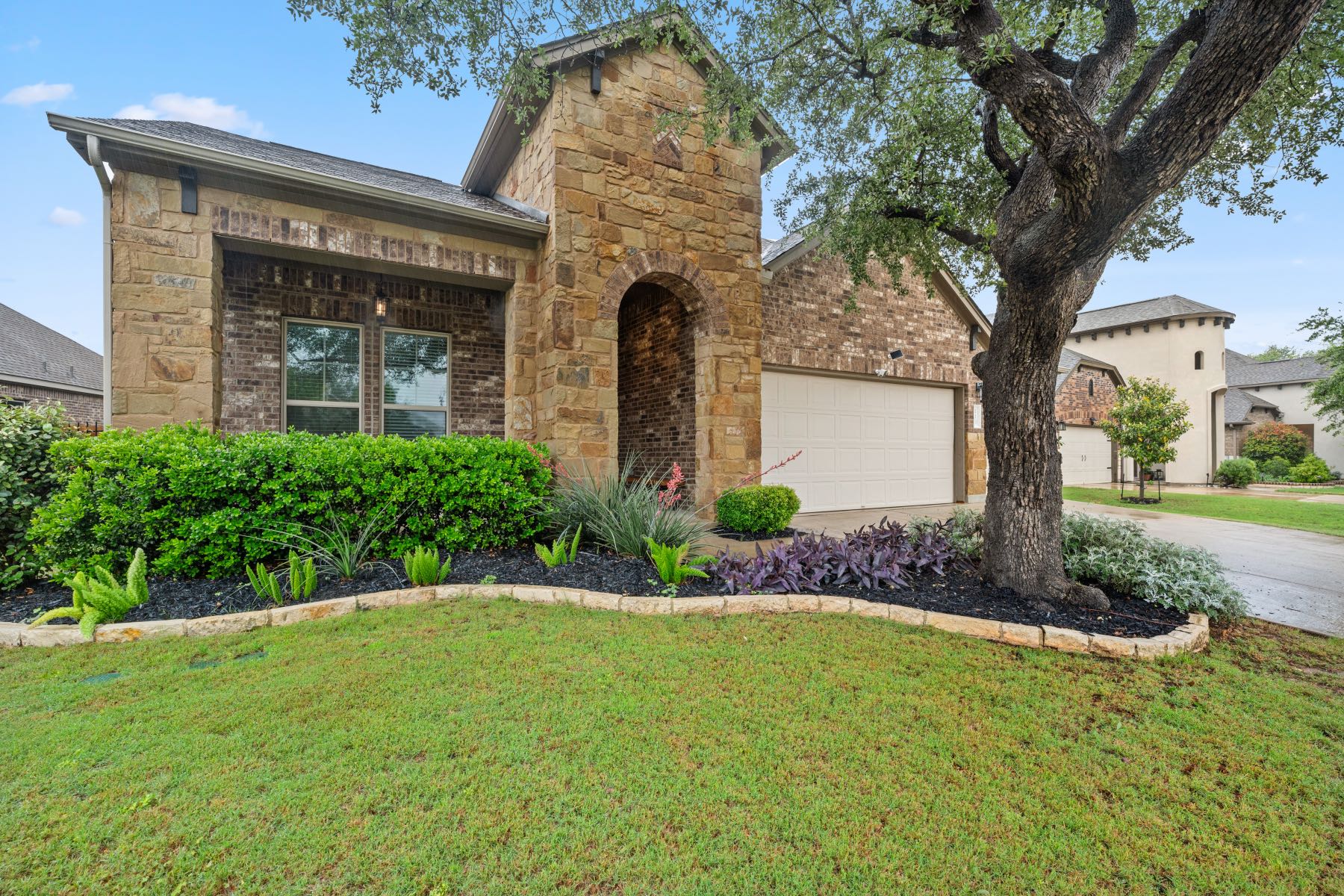
If you are coming from California, or really any coastal market, this is worth calling out on its own. Buildable land near most major California metros is scarce, so new construction there is mostly limited to teardowns and small infill projects. Austin is the opposite. There is still a meaningful amount of buildable land in and around the metro, and master-planned communities and new subdivisions are common at almost every price point, not just at the top of the market.
That matters for your search in a practical way. If being the first person to live in a home, choosing your own finishes, and having a builder's warranty behind the major systems appeals to you, that option is realistically on the table here in a way it usually is not in a supply-constrained coastal market. The new-construction supply is also concentrated in specific suburbs, largely the same MUD-heavy areas covered above (Pflugerville, Hutto, Kyle, Buda, Manor, and newer sections of Cedar Park and Leander), so factor that into how you weigh a new build against a resale home in an established neighborhood. Our guide to new construction versus resale in Austin and our top questions to ask before buying new construction cover what to watch for once you start touring builders.
Lifestyle Realities From Someone Who Has Been Here 15 Years
The Heat Is Real and It Changes How You Live
Relocation guides consistently understate this, so let me be direct. May through September in Austin is genuinely hot. Not dry desert heat -- it is humid enough that 95 degrees feels worse than the number suggests, and it is sustained. Nights stay in the mid-70s.
August regularly sees stretches of 100 to 105-degree days. During those periods, outdoor activities are reserved for early morning or after 8 PM. This changes how you use the city.
The important counterpoint: Austin's shoulder seasons are extraordinary. October and November, and again from mid-February through April, produce some of the best weather you will find anywhere in the country. Mild temperatures, lower humidity, long evenings -- these months justify a lot.
Practical things to factor into your home search:
- HVAC maintenance is not optional. Your system runs hard from May through September. Budget for annual service and know the age and condition of any HVAC system before you close.
- Electricity bills spike significantly. $250 to $400 per month in peak summer is common for a well-insulated home.
- A pool changes the math on how you use summer. If outdoor living matters to you, a pool is worth factoring into your home search.
If you are coming from Seattle or San Francisco for the outdoor lifestyle, calibrate your expectations: peak outdoor season here is not summer. The best months are fall and spring.
For a full breakdown of what Austin's climate looks like across all four seasons, see our Austin climate and weather guide.
Traffic Is a Real Lifestyle Factor
Austin has ranked among the worst cities in the United States for traffic congestion in Inrix's annual data for several years running. This is worth taking seriously before you choose where to live.
The good news is that Austin traffic is directional and predictable. Rush-hour congestion flows outbound from downtown and the major employment centers in the evening. If you can structure your life to drive against traffic -- suburb to suburb, or in the off-peak direction -- the daily experience is much more manageable.
What you need to know:
- There is no meaningful public transit alternative for most Austin-area commutes. Project Connect light rail will not be operationally useful for most commuters until approximately 2033.
- Average rush-hour commute from suburbs to major employment centers: 30 to 45 minutes on a typical day, longer during incidents
- If you currently live car-free in New York, Chicago, or San Francisco, this is a genuine lifestyle adjustment. Austin is a car-dependent city and will remain one for the foreseeable future.
The suburb-to-employer pairing matters more in Austin than almost anywhere else. A 20-mile commute against traffic is manageable. A 20-mile commute with traffic on I-35 is not. Map the drive before you choose where to live.
For current commute times and traffic patterns by corridor, see our Austin traffic and commute guide.
What Austin Gets Right That Surprises People
Two sections of financial and lifestyle realities deserve a counterbalance, because Austin genuinely earns the enthusiasm.
The food scene is legitimately excellent. Not just the BBQ, which is as good as advertised -- the broader Austin restaurant scene has grown into something diverse, chef-driven, and continuously improving. The concentration of quality restaurants in a mid-sized city is unusual.
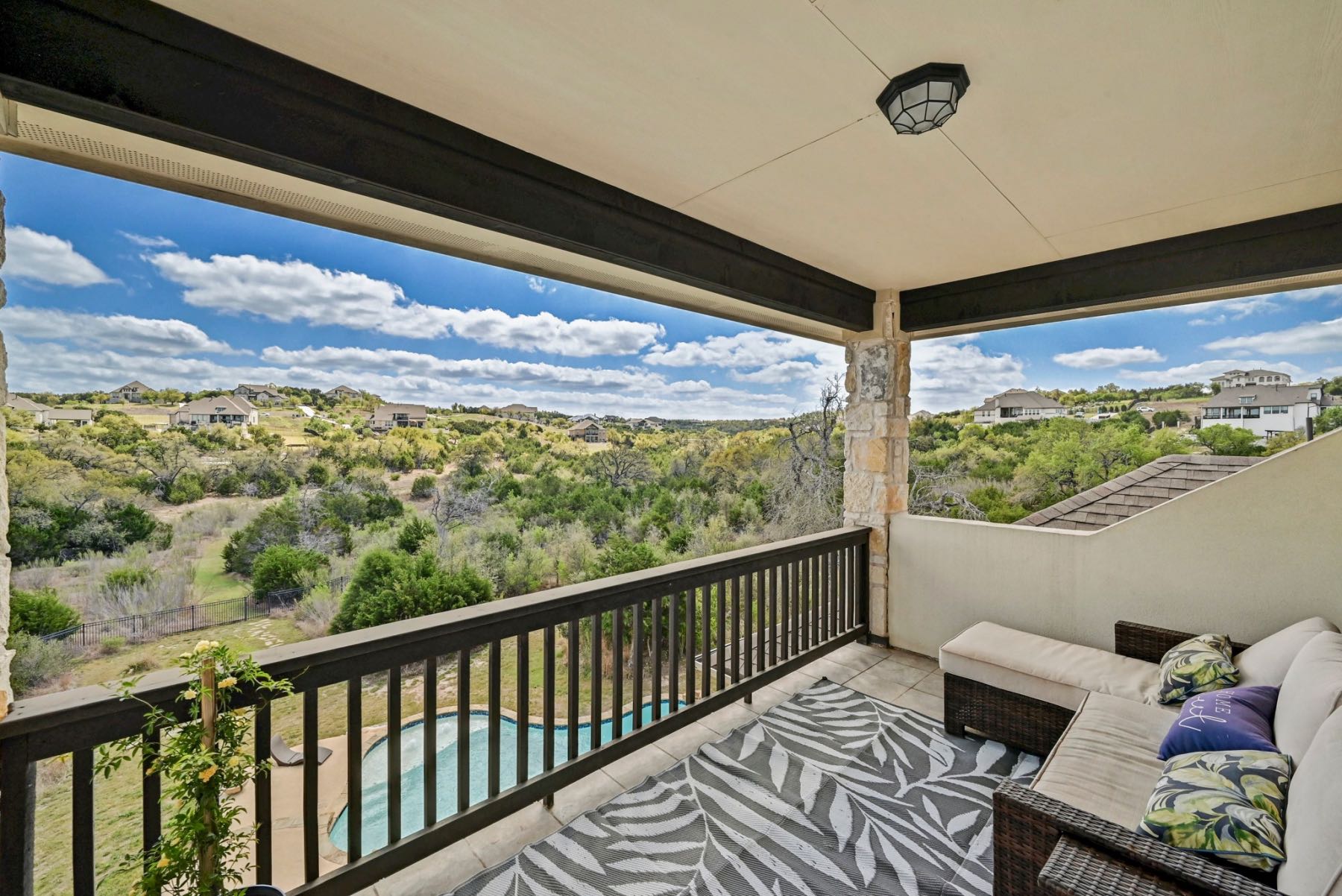
Barton Springs, Lady Bird Lake, and the Greenbelt are genuinely special. Barton Springs Pool is spring-fed, free to Austin residents on most days, and unlike anything in most cities. The Greenbelt trail system runs through Central Austin. These are not marketing claims -- they are actual assets that residents use regularly.
The job market has diversified. Austin's economic base in the late 2010s was heavily concentrated in tech. That is still a major driver, but healthcare, government, education, and professional services have grown significantly. The city is more economically resilient than it was a decade ago.
The transition experience. Because Austin draws so many people from other cities, the transplant community here tends to be open and connected in a way that can be hard to find in established cities where most residents grew up there. People generally find community here faster than they expect.
The music and arts scene. Long-timers will tell you Austin has lost something since the 1990s, and they are not entirely wrong. What remains is still better than most mid-sized American cities. The live music infrastructure is real and active.
The Texas Real Estate Process Is Different
If you have purchased homes in California, Washington, New York, or most Northeastern states, the Texas process will surprise you in at least three ways. These are not obstacles -- they are worth knowing before you start so nothing catches you off guard mid-transaction.
The Option Period -- You Have More Protection Than You Think
Texas uses an Option Period: a negotiated window of time, typically 7 to 10 days, during which you have an unrestricted right to terminate the contract for any reason. You pay a small option fee -- typically $100 to $500 -- directly to the seller. This fee is non-refundable but buys you the right to walk away from the deal with your earnest money intact.
Here is why this matters: in many states, buyer protection comes through specific contingencies (inspection, appraisal) that require defined conditions to trigger. Texas's option period is simpler and broader. You do not need to justify termination -- you can walk for any reason within the window.
Use your option period to:
- Complete all inspections: general, structural, foundation if relevant, HVAC
- Get a survey commissioned
- Confirm insurance quotes and check for flood zone status
- Verify the MUD tax rate via the tax certificate
Texas Is a Non-Disclosure State
This is a significant difference that catches many out-of-state buyers off guard. Texas does not publicly record sale prices. When a home sells, the transaction price is not reported to a public database. What you see on Zillow or Redfin for sold prices in Texas is either absent, estimated, or reported by the seller voluntarily.
The practical consequence: without a buyer's agent who has direct MLS access, you are negotiating without knowing what comparable homes actually sold for. In a disclosure state, you can research this yourself. In Texas, you cannot. This is one of the clearest reasons why having a knowledgeable local buyer's agent matters more here than in most markets.
Budget for These Closing Costs That Surprise Out-of-State Buyers
Texas has several closing cost items that either do not exist or work differently in other states:
- Survey: Required in Texas. Typically $400 to $700. Most other states do not require a new survey for a resale transaction.
- Title insurance: Set by the state at regulated rates. Costs more than in some states but is comprehensive in what it covers.
- Property tax proration at closing: Depending on your closing date, you may prepay 3 to 8 months of property taxes at closing. On a $500,000 home in Travis County, that can mean $6,000 to $12,000 or more out of pocket at closing, beyond your down payment. Budget for this specifically.
- Home warranty: Common in Texas and typically a negotiation point with sellers. Usually $400 to $700 for one year of coverage.
Five Questions to Ask Yourself Before You Commit
The general rule of thumb for Austin: households buying in the $450,000 to $550,000 range should plan for a household income of $100,000 or more, accounting for the full payment stack -- mortgage, taxes, MUD if applicable, HOA, and insurance. Run the numbers at a realistic rate and a realistic tax estimate before you set your search range.
Most people who scout Austin do so in March or October -- two of the city's best months. Spending a week here in July or August before committing to a move is one of the most useful things you can do. The heat is a genuine lifestyle factor that is hard to appreciate from a description.
Austin is a large metro area and the suburb that makes sense depends almost entirely on where you work. The area that works for someone at Apple's campus in North Austin is completely different from what works for someone at the Tesla Gigafactory near the airport. Getting this wrong means living with a commute that affects daily quality of life. Map the drive before you search.
Run the full stack before you commit to a price range: mortgage principal and interest, property taxes with homestead exemption factored in, MUD tax if the area has one, HOA fees, homeowner's insurance, and a realistic electricity estimate. The number will be higher than your mortgage calculator told you. Better to know that before you start searching.
The agent who tells you the hard stuff upfront -- the MUD taxes, the insurance costs, the neighborhoods where prices have softened and why -- is the agent who will protect you through the transaction. Buyer's agent compensation in Texas is negotiated separately now and spelled out in a written agreement before you tour a home, so you know the terms upfront. There is no financial reason to go without representation.
These are the questions I ask every relocation buyer before we start looking at homes. Not to be preachy -- but because getting the answers right before you go under contract is far easier than discovering them afterward.
The Bottom Line
Austin is worth moving to. Fifteen years in, having watched this city change substantially, I am still here. The job market is real, the food and music are genuine, the outdoor amenities are special, and the relative affordability compared to coastal metros still holds -- even accounting for the full cost picture laid out in this guide.
The buyers who thrive here are the ones who did the financial math before they fell in love with a house, understood that Texas property taxes require a different mental model than most states demand, and took the time to figure out which part of this city actually fits their life.
If you read this guide and still want to make the move -- and most people will -- you are already in better shape than the majority of people who relocate here without doing this work first.
I would love to help you think through your specific situation. No obligation, no sales pressure. If you want to talk through the numbers for a specific price range or ask questions about a particular area, contact me here.
For a step-by-step guide to the relocation process itself, see our step-by-step guide to relocating to Austin.




Leave a Reply