
This post is part of our Why Your Austin Home Won’t Sell series, which covers the three main reasons Austin homes sit on the market: physical defects, the buyer’s shopping experience, and letting emotions get in the way. This post covers physical defects.
In 2026’s Austin market, buyers have options, and they’re using them. With more than 52% of listings taking price cuts and homes sitting for 74+ days on average, buyers can afford to be picky about condition. Physical defects that might have been overlooked during the 2021-22 frenzy are now deal-breakers. That shift isn’t just theoretical. It shows up at the inspection table, in lowball offers, and in listings that sit month after month while comparable homes sell.
This post covers the most common physical issues that stop Austin homes from selling in today’s market, and what you can actually do about each one.

You Haven't Pre-Inspected and Made Repairs
One of the most consistent mistakes we see Austin sellers make right now is putting a home on the market without knowing what's in it. They assume a buyer will come along, fall in love, and overlook the deferred items. In 2021, that sometimes happened. In 2026, it almost never does.
When buyers are competing for one home, they accept risk. When buyers have 5,000+ active listings to choose from in the Austin metro area, they don't. They pick the one that feels safer.
A pre-listing inspection changes the dynamic entirely. Instead of a buyer's inspector discovering a failing water heater, signs of past moisture intrusion, or an aging electrical panel, and then using that information as leverage in a repair amendment, you already know what's there. You've had time to fix the items that matter, price around the ones you won't fix, and present the inspection to buyers as evidence of transparency.
The repair amendment is one of the most common deal-killers in this market. A buyer makes a reasonable offer, gets an inspection, and suddenly comes back requesting $30,000 in concessions for items that might cost $8,000 to actually address. The inflated number reflects not just the repair cost but the buyer's uncertainty, their sense of leverage, and the negotiating tactics their agent has coached them on. Pre-inspecting removes a lot of that ammunition.
Focus on anything that would show up as a major item on a standard inspection report: roof condition, HVAC function, water intrusion signs, electrical issues, and plumbing. Small cosmetic items are lower priority than functional systems, because systems affect financing and buyer confidence at a much deeper level.
One more important point: deferred maintenance signals neglect. Even when the dollar value of needed repairs is modest, buyers see a home that hasn't been cared for and mentally discount everything, including the price they're willing to pay. Perception matters, and a pre-inspected, repaired home reads completely differently than one with a list of unknowns.
Your Home Has Functional Issues Buyers Can't Ignore
Every home has some version of a feature that makes it a harder sell. Maybe yours backs to a busy road. Maybe it's adjacent to a commercial property. Maybe the lot configuration is unusual or the floor plan doesn't work the way most buyers expect. These aren't necessarily dealbreakers, but how you handle them determines whether your home sells.
The mistake sellers make is treating functional issues as invisible. You've lived with the road noise for years and tuned it out. But a buyer on their third showing, sitting quietly in the backyard, will notice. And if your pricing doesn't account for that feature, you'll lose them.
In Austin specifically, the functional issues that kill deals most often are:
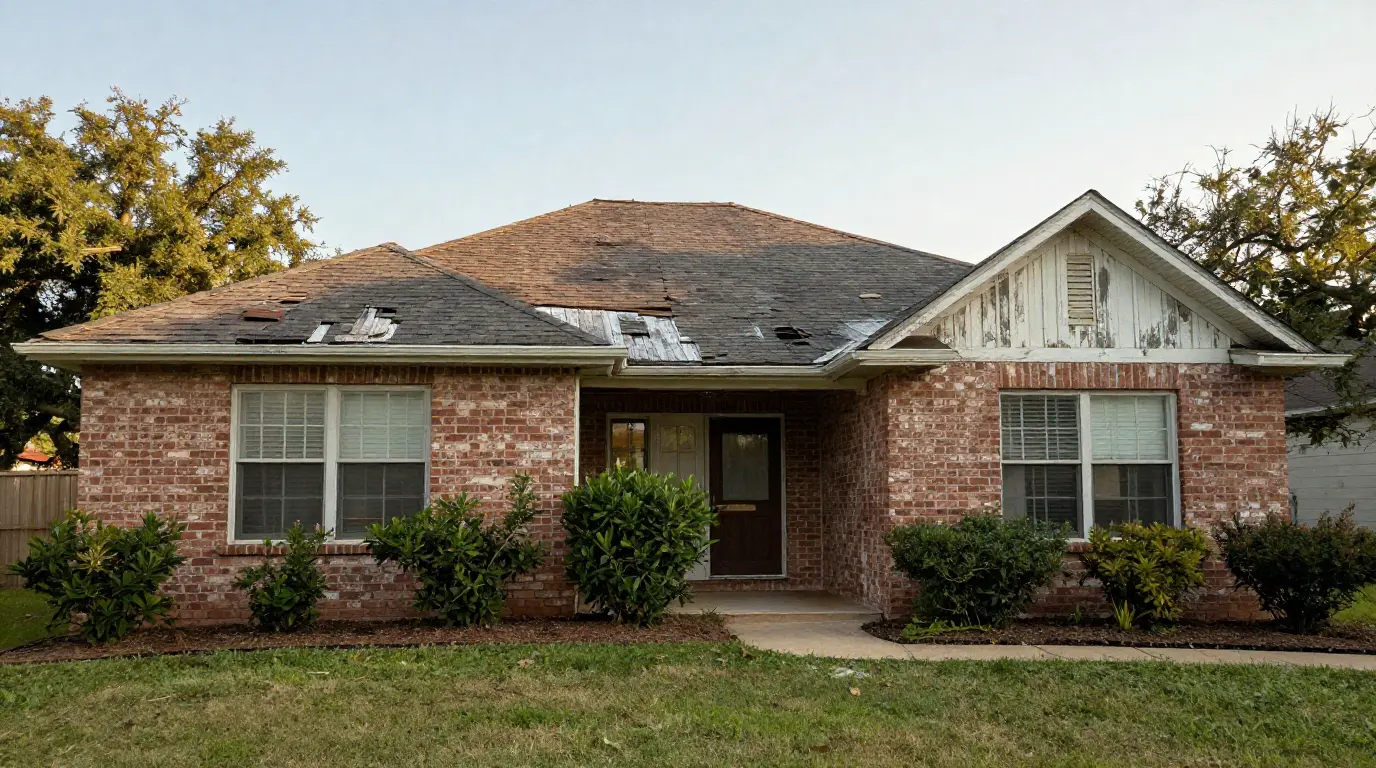
Foundation concerns. Austin sits on expansive clay soils that shift with moisture changes, and foundation movement is extremely common here. That doesn't mean every buyer will walk at the first sign of cracks, but foundation concerns that show up on an inspection report without documentation of prior repairs or an engineer's sign-off will create major uncertainty. If your home has had foundation work done, have your paperwork ready. If you're not sure about your foundation, get it evaluated before listing.
Roof age and condition. A roof in its last years of useful life is a financing risk. Many loan programs require a remaining useful life of at least two to three years, and some lenders will require replacement or an escrow holdback at closing. If your roof is 18 or more years old, get it inspected before listing and know exactly where you stand.
Aging HVAC systems. Austin summers are extreme. A 15-year-old HVAC system running at reduced capacity when it's 105 degrees outside is not a background detail, it's a primary concern for buyers. They're comparing your home to new construction with fresh systems and full warranties. If replacement isn't feasible before listing, price accordingly and expect it to come up in negotiations.
Busy street or commercial adjacency. These factors reduce your buyer pool. Acknowledge them in pricing rather than pretending they don't exist. A home priced as if it backs to a quiet greenbelt, when it actually backs to a parking lot, will sit. Price it to reflect reality and you'll find the right buyer much faster.
The key principle across all of these: they aren't dealbreakers for every buyer, but they are dealbreakers if you're priced as though they don't exist.
Your Appliances and Systems Are Dated
Walk into any new construction home in Georgetown, Leander, or Kyle right now and look at the kitchen. You'll see quartz counters, stainless steel appliances, a tile backsplash, and modern hardware. Builders have been delivering this look consistently for years, and buyers have calibrated their expectations accordingly.
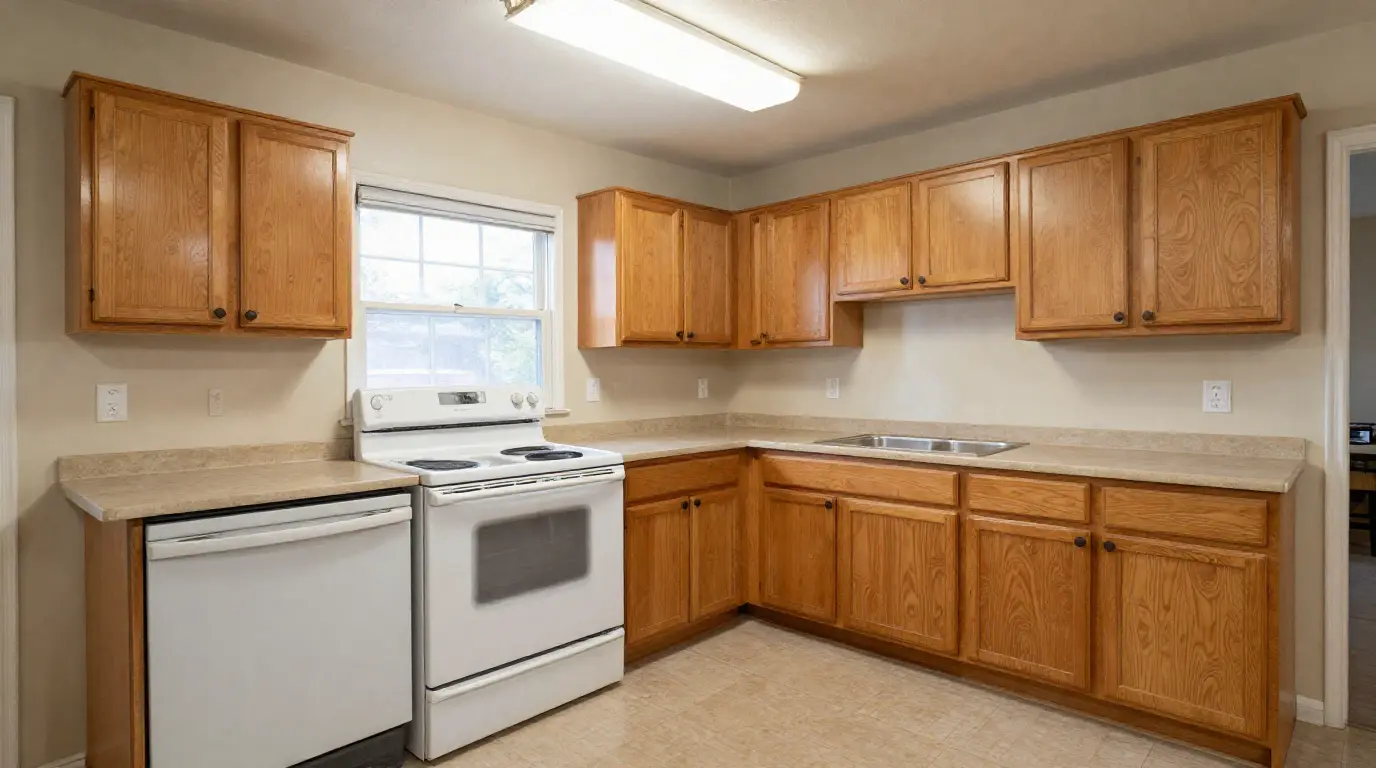
Now look at a 1990s kitchen with the original drop-in range and dishwasher. Even if everything runs perfectly, the visual comparison is immediate. Dated appliances make kitchens look old and tired, and buyers doing mental math on the cost to update them tend to overestimate, not underestimate.
This is the reality of competing in 2026: your competition isn't just other resale homes in your neighborhood. It's new construction in the surrounding suburbs offering full warranties, fresh finishes, and modern layouts at similar price points. When a buyer can get a brand-new home in Pflugerville or Buda for what you're asking for a 20-year-old resale, the condition of your kitchen becomes a real factor in their decision.
If a full appliance replacement isn't in the budget, at minimum make sure everything is spotless and functioning properly. A clean, well-maintained older appliance reads very differently than a stained, worn one. If you are considering an update, stainless steel appliances consistently test well with buyers, and the cost is often lower than sellers expect.
Systems matter on the same level. Water heaters approaching the end of their lifespan, older electrical panels, outdated plumbing fixtures, all of these feed the same mental narrative: this home needs work before we can settle in. Buyers factor that uncertainty into their offers.
You Haven't Upgraded but You've Priced as if You Have
Austin's 2026 market has made comparison shopping very easy for buyers. They have time. With average days on market above 74, buyers aren't rushed. They tour 10, 12, 15 homes. They build a clear picture of what condition looks like at each price point, and they're quick to spot a home priced above its actual condition.
The most common version of this problem: a seller looks at what their neighbor got in 2022, applies a modest discount for the market being softer, and arrives at a price that reflects a fully updated home on one that hasn't been touched since it was built. A buyer tours both, sees the gap in condition, and moves on.
We recommend doing exactly what buyers do: walk through comparable homes before you set your price. Your agent can set this up as a tour of nearby listings before you go to market. Seeing your home through a buyer's eyes is one of the most clarifying exercises a seller can do, and it makes pricing decisions much easier.
Condition differences that affect pricing most significantly in Austin's current market:
- Kitchen updates: Updated kitchens carry significant value, and their absence is equally significant. If your kitchen is original and a comparable home two streets over has been remodeled, expect that difference to show up in your achievable price.
- Flooring: Original carpet in main living areas, especially if it's showing wear, signals cost to buyers. Hardwood or quality LVP throughout is the current expectation at most Austin price points.
- Primary bathrooms: These are high-visibility during showings. Original tile, dated fixtures, or cosmetic wear stand out and become negotiating points.
- Paint: Fresh neutral paint costs relatively little and returns a lot in perceived cleanliness and condition. If your walls are heavily marked, dated, or covered in bold colors, a paint job before listing is almost always worth the investment.
Price to the condition, not to what the neighbor got in 2022 or to what you need to net. Buyers make decisions based on value, not on a seller's financial goals.
Your Home Has an Odor Problem
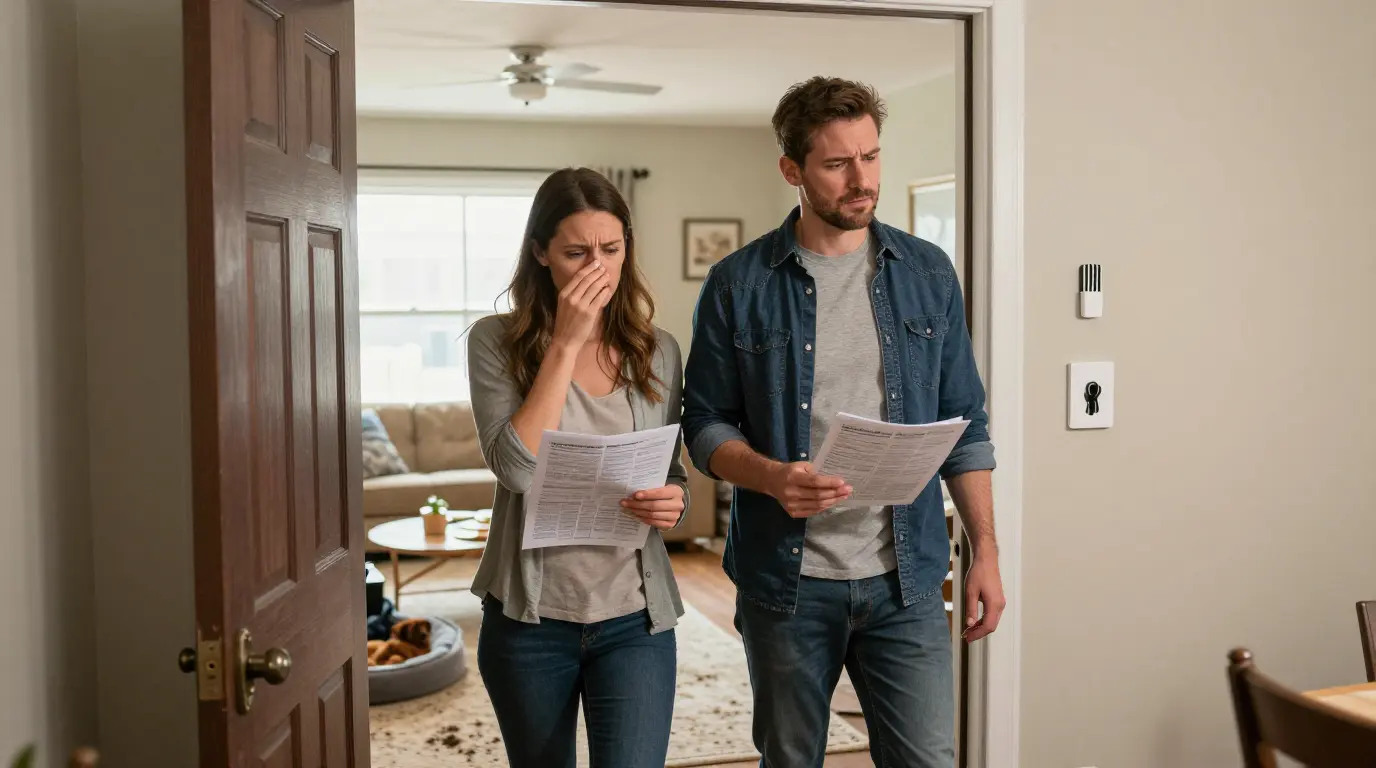
Here's an uncomfortable truth: you probably can't smell your own home. After months or years of living in a space, your brain filters out familiar smells. It's called nose blindness, and it's extremely common. It's also one of the most damaging issues a seller can walk into without knowing about it.
The three odor sources that end buyer interest fastest are pet odors, cigarette smoke, and moisture or mildew. All three are detectable within seconds of walking through the front door. A buyer who smells any of them on their first visit will have mentally moved on before they've seen the kitchen. The rest of the showing is just them being polite before they leave.
Pet odor, especially from dogs, can permeate carpet, walls, and HVAC systems in ways that air fresheners won't address. If you have pets, assume this could be a problem and get an honest opinion before listing from someone who will tell you the truth, your agent or a staging consultant. The fix often involves professional carpet cleaning, ozone treatment, HVAC filter replacement, and fresh paint in affected areas. It's worth the cost.
Cigarette smoke is the hardest odor to remediate. It permeates drywall, subfloor, and HVAC systems over time. Full remediation is significant work. If smoking has occurred in the home for years, disclosure and appropriate pricing is usually the honest path forward.
Moisture and mildew smells raise an immediate concern in buyers' minds about hidden water damage and mold. Even when the source is something minor, buyers worry. Have any source identified and addressed before listing, and if you've had past water intrusion, be prepared to document what was done and when.
The fix is never candles or plug-in air fresheners. Experienced buyers and agents recognize these as signals that something is being covered up. The only real fix is removing the source.
What to Do if Your Home Has Physical Issues
Knowing your home has physical issues before you list is a significant advantage. Here's how to approach them practically.
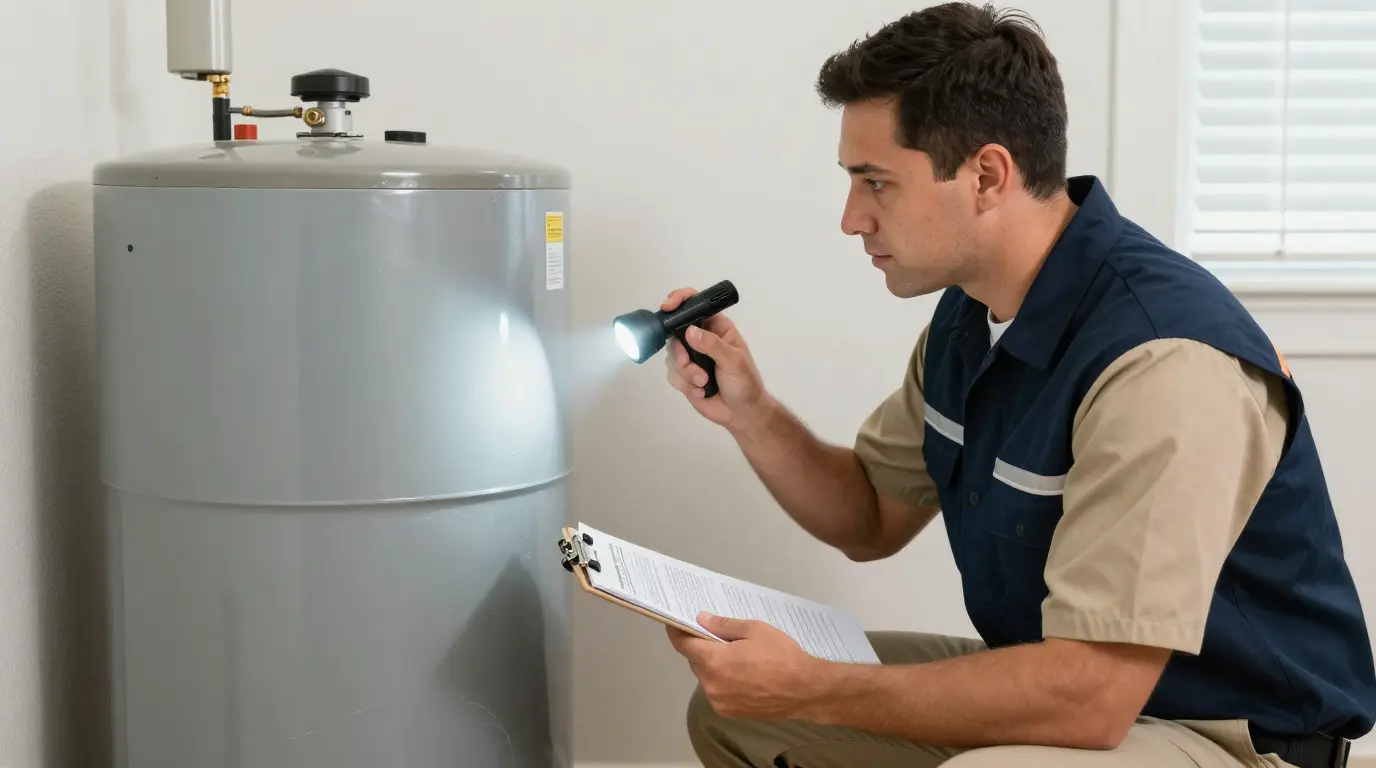
Get a pre-listing inspection. Spend $400-600 to know what a buyer's inspector will find. You'll have time to make repairs with contractors of your choosing, at your own pace, rather than rushing through a 10-day option period under pressure. You'll go to market with a much stronger position.
Fix the items with the highest buyer impact. A missing GFCI outlet and a broken window screen are cheap to fix and easy for a buyer's inspector to flag. Fix them. A foundation concern that has been stable for a decade may need an engineer's letter more than it needs active repair. Know the difference between what requires a fix and what requires documentation. For a full list of high-impact pre-sale improvements, see our guide to preparing your home to sell on a limited budget.
Price to condition, not to the market you wish you were in. If your home needs updates, the market will communicate that through low offers and long days on market. Price accurately from the start and you'll attract the right buyers. Overprice and you'll sit while comparable homes sell.
Know your competition. In 2026, new construction is a meaningful competitor at many Austin price points. Builders in Georgetown, Buda, Kyle, Leander, and Pflugerville are offering move-in-ready homes with full warranties and sometimes rate buy-down programs. Competing doesn't mean matching a new build's price. It means being honest about what your home offers at its price point.
Document Austin-specific concerns. For foundation, HVAC, and roof, documentation changes the conversation. A 16-year-old roof with an inspection showing 7+ years of remaining useful life is a very different asset than a roof with no documentation at all. Knowledge is negotiating power.
Ready to Sell Your Austin Home?
Selling in Austin's 2026 market takes more preparation than it did a few years ago, and physical condition is one of the biggest factors separating homes that sell quickly from those that sit. If you're not sure where your home stands, here's where to start.
Get a free instant estimate of your home's current value based on real Austin market data — no email required, no obligation.
Ready to talk about your specific situation? Fill out our Seller Survey and tell us a little about your home and your timeline. We'll come back with an honest assessment of your home's condition, realistic pricing for today's market, and what it would take to compete with new construction and other active listings in your area.
You can also reach us directly at (512) 827-8323. We're not in the business of taking listings that don't sell — so if there are condition issues that need addressing before you go to market, we'll tell you upfront.
Also worth reading: What Does It Cost to Sell a Home in Austin? and Should I Sell My House in Austin in 2026?




Leave a Reply