

Bookmark this Austin home maintenance checklist — it covers the seven tasks that cause the most damage when skipped. Most homeowner maintenance issues give you a warning sign — a drip, a crack, a smell. But the items on this list are sneaky. They fail silently, build up over time, and when they finally cause a problem, the damage is either catastrophic, expensive, or both. After nearly two decades of helping buyers and sellers navigate Austin real estate, I’ve seen what happens when these tasks get skipped — and I want to make sure it doesn’t happen to you.
Whether you’ve owned your home for years or just got the keys last month, this Austin home maintenance checklist is worth printing out and keeping somewhere you’ll actually see it.
Your Austin Home Maintenance Checklist at a Glance
| Task | How Often | DIY or Pro | Risk If Ignored |
|---|---|---|---|
| Dryer Vent | 1x/year | DIY or Pro | House fire |
| AC Filter | Monthly | DIY | System failure |
| Foundation | Annually | Pro | Structural damage |
| Water Heater | Annually | DIY or Pro | Failure / flood |
| HVAC Drain Pan | Every 6 mo. | DIY | Mold / water damage |
| Smoke & CO Detectors | Monthly test / 10-yr replace | DIY | Fire / CO poisoning |
| Gutters & Downspouts | 2x/year | DIY or Pro | Foundation damage |
📋 Free Download: Austin Home Maintenance Checklist
Print-ready Austin home maintenance checklist with step-by-step instructions for all 7 tasks. Keep it in your utility room so nothing slips through the cracks.
Download the Free Checklist →1. Dryer Vent Cleaning
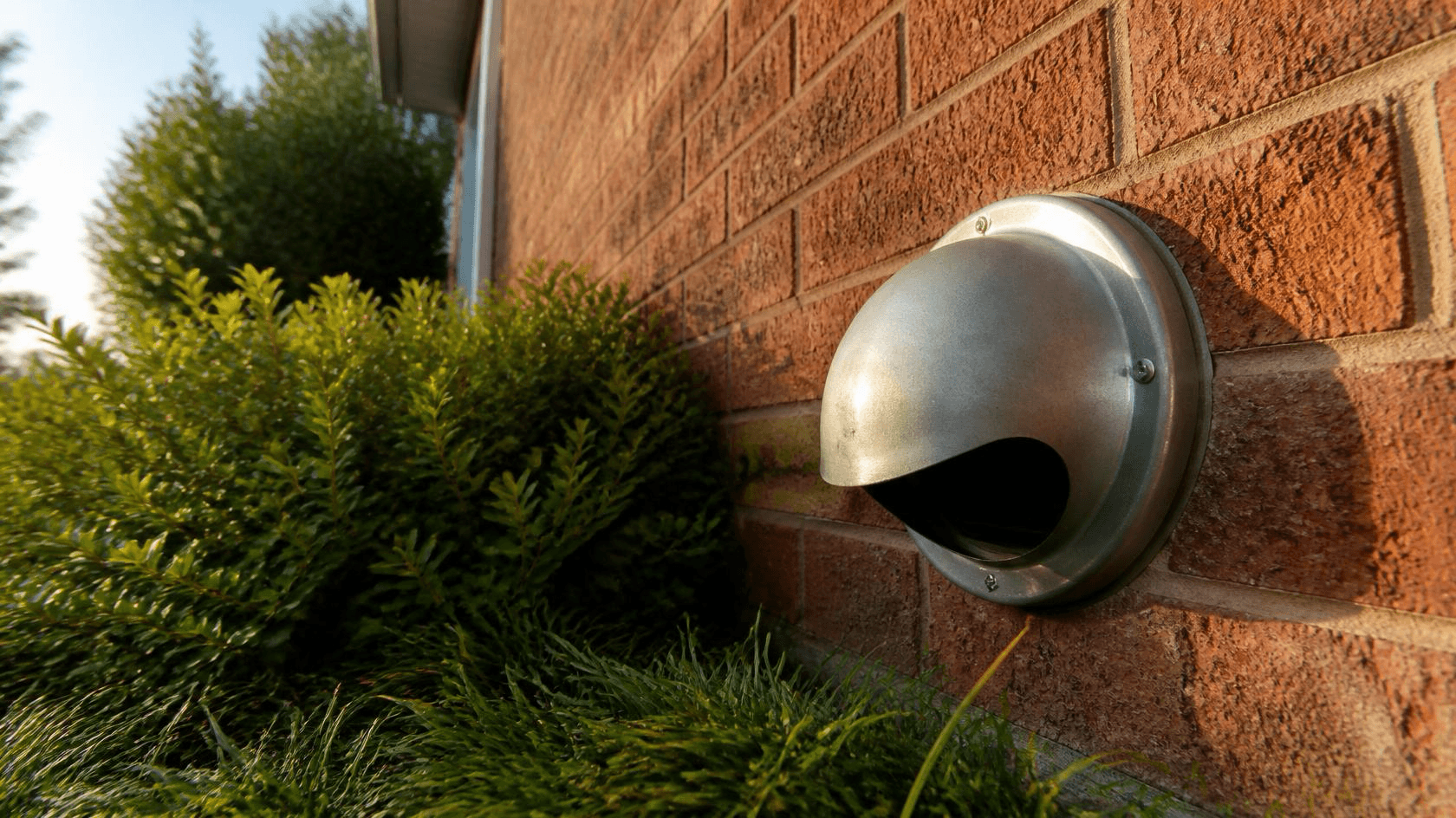
This is the one that surprises people the most — because it's invisible. Most homeowners know to clean the lint trap after every load, but here's what they don't know: a significant amount of lint bypasses the trap entirely and accumulates in the exhaust duct running through your wall. That lint is highly flammable. According to the U.S. Fire Administration, clothes dryers cause approximately 2,900 home structure fires each year, and failure to clean the dryer is the leading cause.
How to know it's time
The most common sign is a dryer that takes more than one cycle to fully dry a load. Clothes come out damp, the dryer feels unusually hot, or you notice a burning smell. Any one of these is a red flag.
DIY or hire a pro?
This is a manageable DIY project. You'll need a lint brush kit (around $20 at any hardware store) and either a leaf blower or shop vac. Pull the dryer away from the wall, disconnect the duct, blow or vacuum from both ends, and check the exterior vent cap. A professional dryer vent cleaning typically runs $80–$150 if you'd rather hand it off.
Austin tip: If you're buying an older Austin home, don't assume the previous owner kept up with this. Add it to your Austin home maintenance checklist and get it done before your first load.
2. AC Filter Replacement
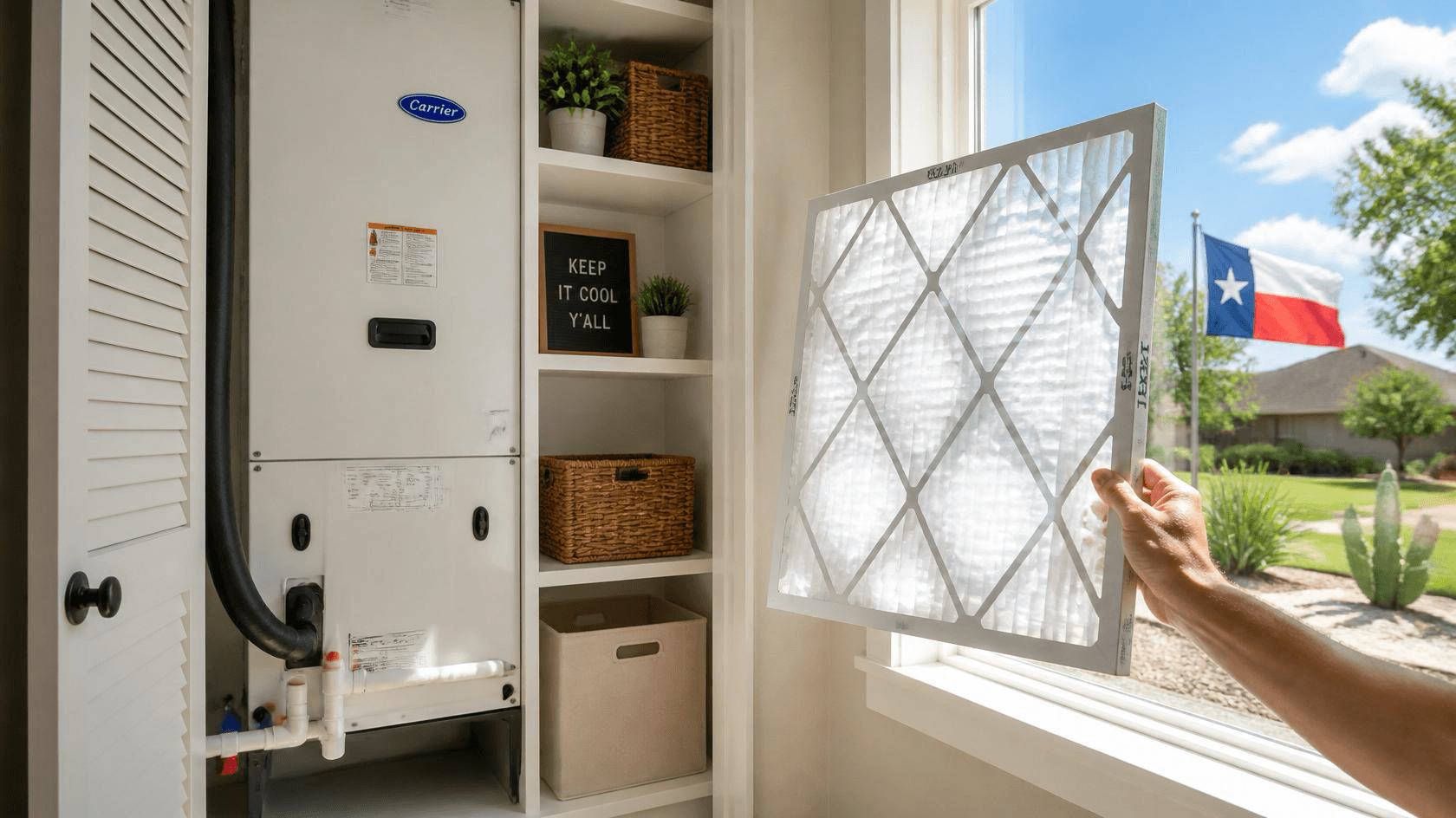
In most of the country, HVAC maintenance is a seasonal concern. In Austin, your air conditioner runs hard from April through October — sometimes November. That means your air filter is working almost year-round, and the consequences of neglect are much faster and more severe than in cooler climates.
A clogged filter restricts airflow, forces the system to work harder, drives up your energy bills, and accelerates wear on the equipment. Let it go long enough and you'll freeze the evaporator coil or burn out the blower motor. Either way, you're looking at a costly repair — or worse, a full replacement.
How often should you change it?
For standard 1-inch filters, once a month during heavy-use months. For thicker 4–5 inch media filters, every 6–12 months. If you have pets or anyone with allergies in the home, lean toward more frequent changes. Set a phone reminder — it takes two minutes and costs a few dollars.
Austin tip: In July and August when it's 98°F outside, your AC is running constantly. This is the worst time to have a failing system — keep AC filter replacement at the top of your Austin home maintenance checklist.
3. Foundation Inspection

If you live in Austin, this one is uniquely critical. Central Texas is built on expansive clay soil — it swells when wet and shrinks when dry. That constant movement is hard on foundations, and it's not a question of if your foundation will shift, but how much and whether it will cause problems.
Foundation repairs in Texas range from a few thousand dollars for minor pier work to $20,000–$50,000+ for serious structural issues. Catching problems early is the difference between a manageable fix and a major renovation.
What to watch for
Interior signs include doors or windows that stick, crack along the top corners, or won't latch. Look for diagonal cracks running from window corners, cracks in drywall along ceiling lines, or gaps between the wall and ceiling. Outside, look for cracks in brick mortar or separation at the foundation line.
DIY or hire a pro?
A visual inspection is something any homeowner can do annually. But if you see warning signs, call a licensed structural engineer — not a foundation repair company, which has a financial interest in recommending work. An independent engineer runs $300–$600 and gives you an unbiased assessment.
Austin tip: Long stretches of drought followed by heavy rain are particularly hard on Austin foundations. Keep irrigation consistent year-round and make sure downspouts direct water away from the house.
4. Water Heater Flushing
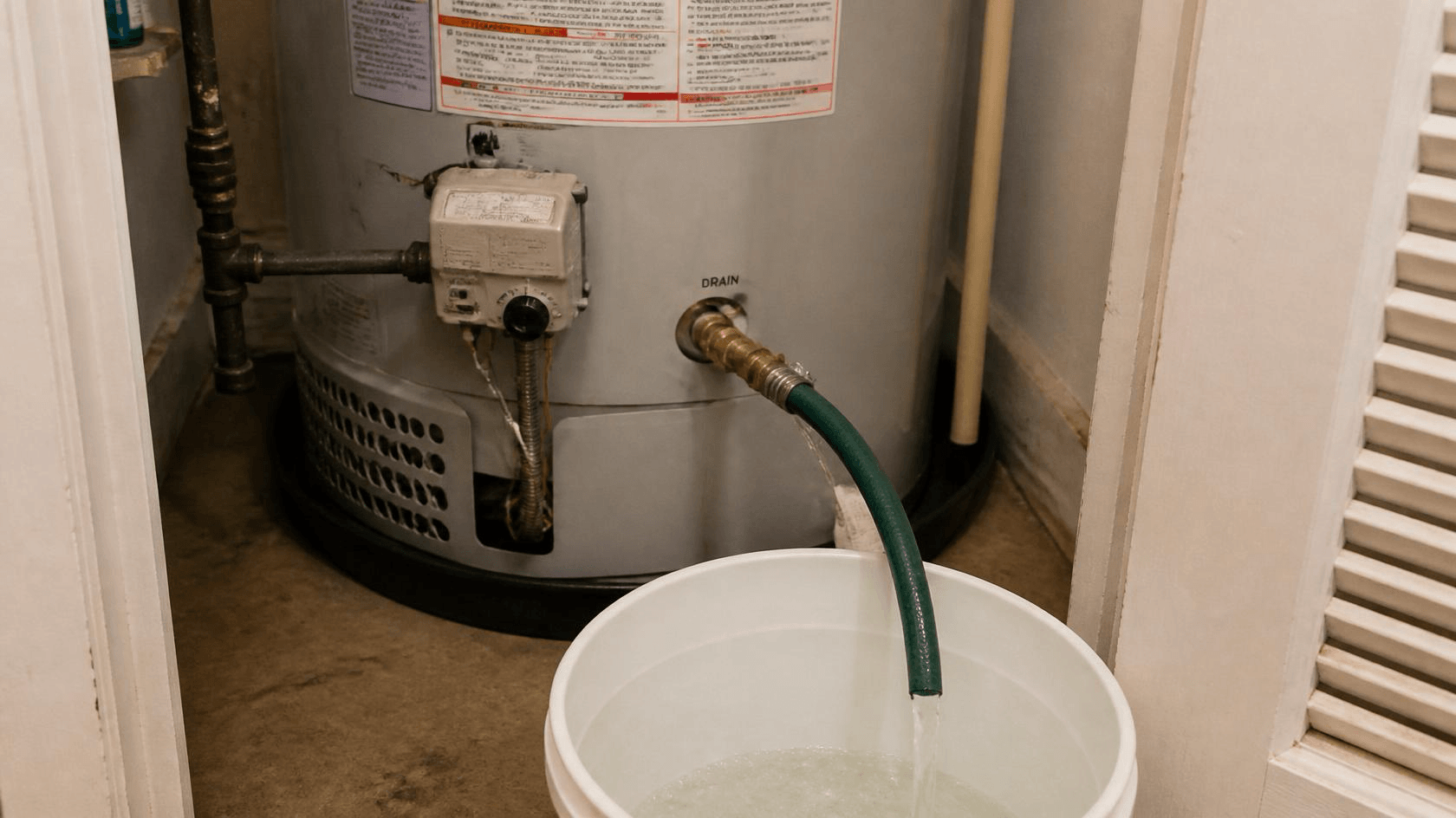
Austin has notoriously hard water — high in calcium and magnesium. Over time, those minerals settle as sediment at the bottom of your water heater tank. The heater has to work harder to heat through that sediment layer, your energy bills go up, the equipment lifespan drops, and eventually the tank can fail — sometimes flooding the space around it.
Most water heaters last 8–12 years. Regular flushing — a quick item on any Austin home maintenance checklist — can push that toward the upper end of the range.
How to flush it
Once a year, attach a garden hose to the drain valve at the base of the tank, run it outside or to a floor drain, open the valve, and let it drain until the water runs clear. Turn off the cold water supply first and be careful — the water is very hot. The whole process takes about 30 minutes.
Austin tip: With Austin's hard water, consider flushing every 6 months if your water heater is older or if you've noticed reduced hot water pressure.
5. HVAC Condensate Drain Line
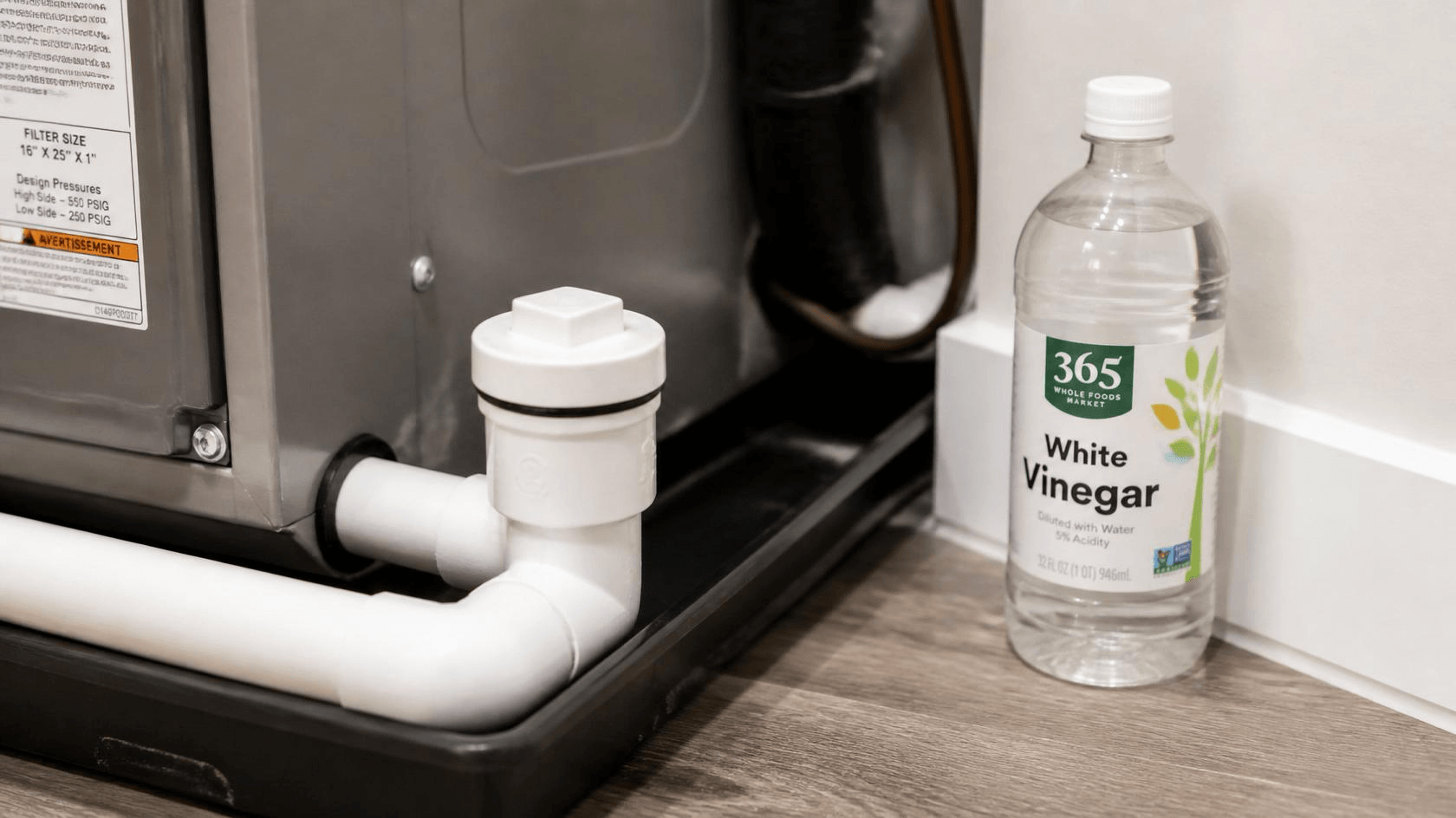
This is one of the most overlooked items on any maintenance list, and it's directly connected to both water damage and air quality. Your AC system removes humidity from the air and drains that moisture through a condensate line. When that line gets clogged with algae or debris, water backs up into the drain pan — and overflows.
Depending on where your air handler is located (attic units are especially risky), an overflow can cause ceiling damage, drywall damage, or worse. If the pan sits wet for any length of time, mold can grow inside the unit and get blown through your ductwork into your living space.
What to do
Every six months, pour a cup of white vinegar or a diluted bleach solution into the condensate drain line access port (usually a small PVC pipe near the air handler). This prevents algae buildup. Check the drain pan visually and wipe it dry if there's standing water. Many newer systems have a float switch that shuts the system off if the pan fills — worth adding if yours doesn't have one.
Austin tip: Austin's humidity peaks in spring and early summer. That's when condensate lines work hardest and are most likely to clog. Add a drain line flush to your spring Austin home maintenance checklist.
6. Smoke & Carbon Monoxide Detector Maintenance
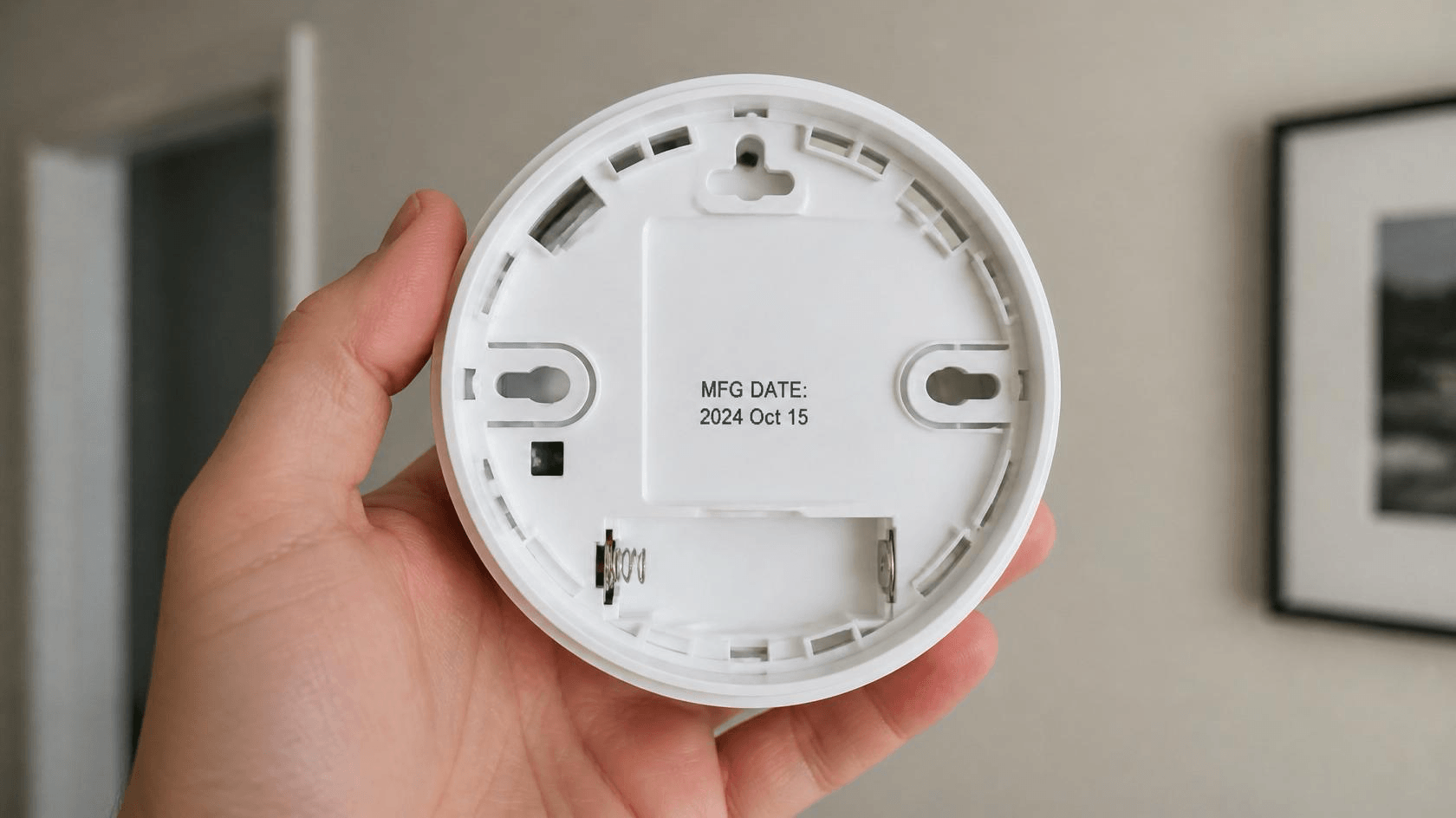
Most people know they should test their smoke detectors. Fewer actually do it. And almost no one replaces them on the right schedule.
The National Fire Protection Association recommends testing smoke detectors monthly, replacing batteries at least once a year (or using 10-year sealed-battery units), and replacing the entire detector every 10 years. Carbon monoxide detectors have a shorter lifespan — typically 5–7 years — and should be replaced on schedule even if they seem to be working.
Carbon monoxide is odorless and colorless. It's not something you can smell or see, which is exactly why a functioning detector is non-negotiable.
What to check
Most detectors have a manufacture date printed inside the unit. Pull yours off the ceiling, check the date, and replace any at or beyond their recommended lifespan. Make sure you have detectors on every level of the home and within 10 feet of every sleeping area.
Austin tip: When you move into a new home, replace all detectors regardless of apparent age — you don't know the maintenance history, and this is too important to guess.
7. Gutters & Downspout Extensions

Gutters might seem like a cosmetic issue, but in Austin, they're actually a foundation issue. When gutters are clogged, water overflows and saturates the soil directly against your foundation. When downspouts dump water too close to the house, the same thing happens. That concentrated moisture is exactly what causes the differential swelling and settling that leads to foundation problems.
Clean your gutters at minimum twice a year — after spring cedar/pollen season and after fall leaves drop. While you're at it, confirm that downspout extensions direct water at least 4–6 feet away from the house.
DIY or hire a pro?
Gutter cleaning is a manageable DIY task if you're comfortable on a ladder. A professional cleaning typically runs $100–$250 depending on home size and tree coverage. Gutter guards are worth considering if you have heavy tree coverage — they reduce frequency but don't eliminate the need to clean entirely.
Austin tip: Cedar and live oak trees are everywhere in Austin and both drop significant debris. Spring cedar season can pack gutters surprisingly fast — faster than most homeowners expect.
Want a Print-Ready Austin Home Maintenance Checklist?
Download our free Austin home maintenance checklist — step-by-step instructions for all 7 tasks, formatted to hang in your utility room.
Download Free Checklist (PDF) →A Note for Austin Home Buyers
If you're buying a home in Austin — especially an older one — this Austin home maintenance checklist should be on your radar before you close. Home inspectors don't always flag deferred maintenance on items like dryer vents, water heater sediment, or condensate drains. They're not always required to. That means a home can pass inspection and still have years of neglected maintenance waiting for you.
My recommendation: budget for a move-in maintenance pass. Get the dryer vent cleaned, have an HVAC tech check the drain line and filters, flush the water heater, and replace all smoke and CO detectors. It's a few hundred dollars of peace of mind that can prevent thousands in repairs down the road.
Buying an Older Austin Home? Let's Talk First.
I've been through hundreds of Austin transactions and I know exactly what to look for — and what to ask about — before you make an offer. A quick conversation could save you thousands in surprises.
Schedule a free buyer consultation → | Call (512) 827-8323 | Email info@11OaksRealty.com
Have Questions About Homeownership in Austin?
Visit our Austin Home Ownership Blog for more tips on maintaining and protecting your investment. Have a specific question? Email us at info@11OaksRealty.com — we're always happy to help.
Know Anyone Looking to Buy or Sell in Austin?
Our team of experienced Realtors knows the Austin market well and can help you have a smooth, successful real estate experience. Check out our Austin Home Buyers and Austin Home Sellers sections to learn more, or call us at (512) 827-8323 to schedule a no-obligation consultation.
What Is Your Well-Maintained Austin Home Worth?
Homeowners who stay on top of their Austin home maintenance checklist consistently sell faster and for more. Find out what your Austin home is worth right now — free, instant, and no registration required.
Get My Free Home Value Estimate →




Leave a Reply