
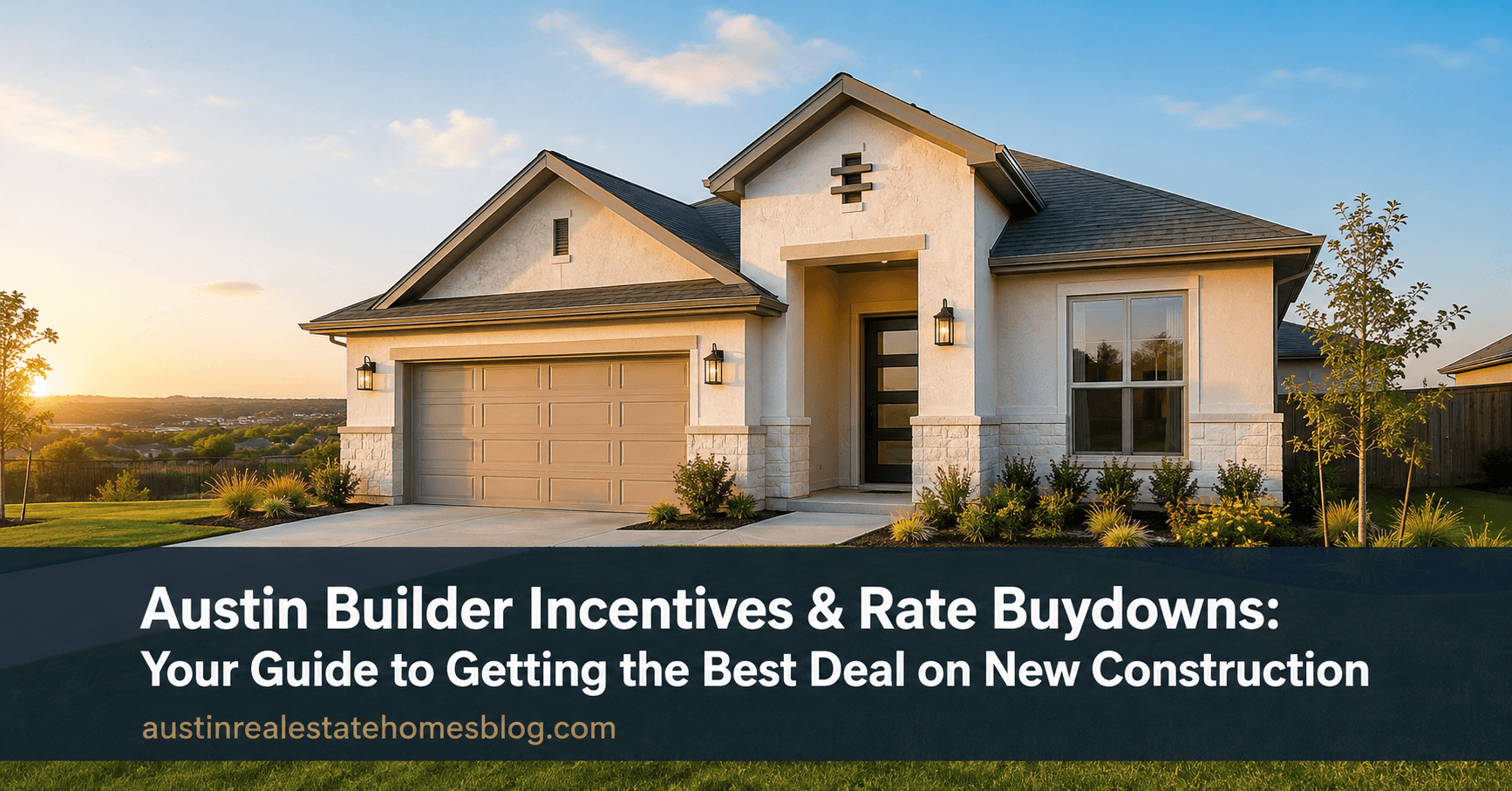
About 31% of homes currently listed in the Austin metro area are new construction. Builders in Kyle, Georgetown, Leander, and Pflugerville are competing hard for buyers, and the incentive packages on the table right now are some of the most substantial in recent memory. Rate buydowns as low as 3.25%, closing cost credits in the tens of thousands, and no-down-payment financing programs have become standard practice across the outer suburbs.
But a generous-sounding incentive package and a genuinely good deal are not the same thing — our guide to buying new construction in Austin covers what to know before you sign with a builder. Builders are skilled at structuring offers that look impressive on the surface while preserving their margins in ways that aren’t immediately obvious. A $20,000 closing cost credit sounds significant until you realize it can only be spent at the builder’s design center, where markups run 30% above market. A rate buydown to 3.25% sounds incredible until you compare the preferred lender’s full loan terms against what you could get shopping independently.
This guide walks you through how every major type of builder incentive works, what the actual math looks like, what’s negotiable and what isn’t, and what hidden costs to account for before you sign. We won’t list specific incentives by neighborhood, because those change week to week. What we will give you is the framework to evaluate any offer you encounter and know whether you’re getting real value.
If you’re considering new construction in Kyle, Georgetown, Leander, or Pflugerville, read this before you walk into a model home.

New construction communities in Austin’s outer suburbs are offering some of the strongest buyer incentives in years.
Why Austin Builders Are Offering So Many Incentives Right Now
The incentive environment you're seeing in 2026 is a direct response to supply and demand dynamics that have been building for two years. Understanding the why helps you understand how to use it.
Builders are working through more inventory than expected
Permit activity in Austin's suburbs stayed elevated through 2024 and into 2025 even as buyer demand softened. Rising mortgage rates pulled some buyers out of the market, and relocation activity, which had been a major driver of Austin's growth, moderated after the post-pandemic surge. The result is that builders in Kyle, Georgetown, Leander, and Pflugerville are carrying more homes, both finished inventory and recently completed spec homes, than their original absorption projections assumed.
More inventory relative to demand shifts leverage toward buyers. Builders need to move homes. Incentive packages are how they do that without making the concessions that would hurt them most.
Why builders choose incentives over price cuts
You might wonder why a builder doesn't simply lower the list price if they want to sell faster. The answer is that a price reduction creates a comparable sale problem. When a builder sells a home at a discount, that transaction becomes a recorded sale the county appraiser and future appraisers will use as a comparable for every other home in the community. A builder selling 50 homes in a phase can't afford to let early discounted sales drag down the appraised value of later ones.
Incentives solve this problem. A $20,000 rate buydown costs the builder real money, but the recorded sale price stays intact. The home closes at full price. Future comps aren't affected. The builder protects their per-lot margin analysis while still making the deal attractive enough for buyers to act.
For the closed-sales data behind this pattern — which Austin-area neighborhoods have actually seen list prices cut, and by how much — see our analysis, Why the List Price in Austin's Newest Neighborhoods Is Not the Real Price.
This dynamic also means that incentives are sometimes worth more than a price reduction of the same dollar amount, because the incentive doesn't reduce your appraised value or the equity you start with.
What 2026 tariff costs have added to the equation
Construction material costs in 2026 reflect tariff impacts that builders absorbed beginning in late 2024. Steel, lumber, and fixtures all saw price increases that worked their way into builder cost structures over the following 18 months. Most builders have already baked those costs into current base pricing, which helps explain why list prices have been sticky even as demand softened.
When a builder says the base price is firm, they're often telling you something structurally true, not just taking a negotiating posture. Their land costs and material costs don't leave much room at current price points. This is part of why incentive packages have become more generous as the preferred lever: the builder can offer more in financing assistance and credits without moving the number that hits their margin model.
Where the incentives are concentrated
The heaviest concentration of builder incentive activity in the Austin area right now is in the outer suburbs, Kyle, Georgetown, Leander, and Pflugerville. These markets had the most aggressive construction pipelines and have the most inventory to work through. Central Austin new construction typically sees fewer incentives because land scarcity and proximity to employment keep absorption rates healthier.
If you're targeting those four outer submarkets, you are in the best negotiating position Austin buyers have been in for several years. The question is how to use that position well.
How Builder Rate Buydowns Actually Work
A rate buydown is when the builder pays money upfront at closing to reduce your mortgage interest rate. The builder writes a check to the lender as part of the transaction, and in exchange you get a lower rate on your loan. That cost comes out of the builder's incentive budget, and you benefit through lower monthly payments.
There are two main structures: temporary buydowns and permanent buydowns. They work differently and serve different buyers.
Temporary buydowns: the 2-1 and 3-2-1
A temporary buydown reduces your rate for the first few years of your loan, then steps back up to the full market rate. The most common version you'll encounter with Austin builders right now is the 2-1 buydown.
Here's how a 2-1 buydown works: if the market rate is 6.5%, your rate is reduced by 2 percentage points in year one (you pay 4.5%) and 1 percentage point in year two (you pay 5.5%). Starting in year three, you pay the full 6.5% for the remaining 28 years of the loan.
A 3-2-1 buydown extends the reduction by one more year: 3.5% in year one, 4.5% in year two, 5.5% in year three, then 6.5% for the remaining 27 years. This structure is less common because it costs the builder more, but you'll see it on standing inventory or in communities where the builder is more motivated.
Here is what the monthly payment looks like on three common Austin price points with a 2-1 buydown at a 6.5% market rate, assuming 10% down:
| Purchase Price | Down Payment | Loan Amount | Year 1 (4.5%) | Year 2 (5.5%) | Year 3+ (6.5%) |
|---|---|---|---|---|---|
| $350,000 | $35,000 | $315,000 | $1,596/mo | $1,789/mo | $1,991/mo |
| $450,000 | $45,000 | $405,000 | $2,053/mo | $2,300/mo | $2,559/mo |
| $540,000 | $54,000 | $486,000 | $2,463/mo | $2,760/mo | $3,071/mo |
On a $450,000 home, the 2-1 buydown saves roughly $506 per month in year one and $259 per month in year two compared to paying the full market rate. Over those two years, that's approximately $9,180 in savings.
The builder pays for those savings upfront. The lump sum required to fund a 2-1 buydown is approximately equal to the total payment reduction across the buydown period, so a $9,180 savings to you costs the builder roughly $9,180. That's real money, and it's why builders advertise it prominently.
Permanent buydowns: purchasing points
A permanent buydown purchases a lower interest rate for the full life of the loan. Each mortgage point costs 1% of the loan amount and typically reduces the rate by approximately 0.25%, though the actual reduction varies by lender and market conditions.
On a $405,000 loan (10% down on a $450,000 home), one point costs $4,050. Reducing a 6.5% rate to 6.25% saves about $66 per month. Your break-even point, the month when cumulative savings equal the cost of the point, is roughly 61 months. After five years, the point has paid for itself and every month beyond that is net savings.
Permanent buydowns are the better choice if you plan to stay in the home for at least five to six years and the rate reduction is meaningful. Temporary buydowns make more sense if you expect to refinance within two to three years when rates drop, because you capture the low-rate savings during the buydown period and then refinance before returning to the full rate.
The question to ask yourself: do I think I'll refinance this loan before the buydown expires? If yes, a temporary buydown may be the right fit. If you're planning to hold the loan long-term, shifting that incentive budget toward a permanent point or two may serve you better.
The catch most buyers miss
The vast majority of builder rate buydowns come with a condition you should know before you get attached to the payment number in the model home brochure: you must use the builder's preferred lender to qualify for the buydown.
This is entirely legal and very common. Builders have financial affiliate relationships with specific lenders, and the incentive package, including the buydown funding, is structured to flow through that lender. If you choose an outside lender, you typically forfeit the rate incentive.
The issue is that the preferred lender isn't always offering the most competitive rate or loan terms available to you. In some cases they are, and the combination of the buydown plus competitive base terms makes for a genuinely good loan. In other cases, the preferred lender's base rate runs slightly higher than what you could get shopping the open market, which reduces the net benefit of the buydown.
Before committing to the preferred lender, ask them for a formal Loan Estimate and take that same Loan Estimate to at least one outside lender for comparison. Compare the APR, not just the interest rate. The APR captures origination fees, lender charges, and other costs that the interest rate alone doesn't reflect. Sometimes the preferred lender wins the comparison. Sometimes they don't. You won't know until you check.
Incentives and preferred lender terms change frequently. If you're shopping new construction in Kyle, Georgetown, Leander, or Pflugerville and want a second set of eyes on an offer before you commit, we're happy to walk through the numbers with you. Reach out here.
Not sure if the preferred lender's deal actually pencils out?
We're happy to walk through the numbers with you — rate buydown value, APR comparison, total loan cost — before you commit to anything.
Get a Second Opinion →Closing Cost Credits -- Real Value vs. Marketing
Closing cost credits are one of the most commonly advertised builder incentives, and one of the least consistently understood. A credit applied to your actual closing costs is real money. A credit that can only be spent at the design center is something different, and knowing the difference before you negotiate is important.
What closing costs on a new Austin home actually look like
Closing costs on a new construction home in the Austin area typically run between 2% and 4% of the purchase price. On a $450,000 home, that's $9,000 to $18,000, covering loan origination fees, title insurance, prepaid interest, insurance reserves, property tax escrow, appraisal, survey, and other transaction costs.
A $10,000 closing cost credit is genuinely significant if it applies to those line items. It's the equivalent of having someone hand you a check at closing that covers a large portion of what you'd otherwise have to bring to the table out of pocket.
The design center redirect
The most common way a closing cost credit becomes less valuable than it sounds is when it gets redirected to design center spending. A builder offers you $15,000 toward "options and upgrades," positions it as a closing cost benefit, and you spend that money choosing flooring, cabinets, countertops, or appliances from their catalog.
The problem is builder design center pricing. Upgrade pricing in builder design centers is typically marked up 20% to 40% above what you'd pay to have the same work done after closing by an independent contractor or retailer. A $15,000 design center allowance may deliver $9,000 to $11,000 in actual value compared to pricing the same work on the open market.
If you instead negotiated a $10,000 credit that applied directly to your closing costs or reduced your loan origination fees, you'd come out ahead, even though the number is smaller.

New construction neighborhoods like this one line suburban streets across Kyle, Georgetown, Leander, and Pflugerville.
How to ask for the credit you actually want
When you're reviewing a builder's incentive package, ask specifically: "Can this credit be applied to line items on my settlement statement at closing, or is it restricted to design center purchases?" The answer tells you immediately what type of benefit you're dealing with.
The most useful credits directly offset loan origination fees, title fees, prepaid interest, homeowners insurance reserves, and property tax escrow. These are concrete line items on your closing disclosure. If the builder says yes, get that commitment in the purchase contract, not just verbally from the sales rep.
Some builders will split the credit, a portion to design center, a portion to closing. That's worth asking about. A hybrid structure is usually better than an all-design-center allocation.
No-Down-Payment Programs and What They Cost You
Several national builders active in the Austin area offer no-down-payment or very-low-down financing through their affiliated lending operations. DR Horton's DRH Mortgage, Lennar's Eagle Home Mortgage, and comparable affiliates at other major builders advertise these programs in communities throughout Kyle, Georgetown, and Pflugerville, targeting buyers who are qualified on income but stretched on upfront cash.
What these programs actually mean
No-money-down does not mean no debt. It means the financing is structured to cover 100% of the purchase price, typically through a combination of a first mortgage, a forgivable or deferred second lien, or gift fund credits that satisfy the down payment requirement. You're financing the full purchase price.
Starting with zero equity means your monthly payment is higher than it would be with a conventional down payment, because you're borrowing more. Private mortgage insurance (PMI) is usually required on conventional loans above 80% loan-to-value, adding another $100 to $200 per month to your housing cost at typical Austin price points. Some no-down programs route around PMI through government-backed loan structures, which have their own costs and qualification rules.
The right question is not "can I get into this home with no money down" but "what does my total monthly housing cost look like under this program, and how does that compare to what I could qualify for with some down payment assistance and a different loan structure?"
USDA loans in Kyle and Pflugerville
Parts of Kyle in Hays County and portions of Pflugerville in Travis County sit within USDA Rural Development eligibility boundaries, which is not something most buyers in those areas know about. A USDA loan offers 100% financing with no private mortgage insurance at competitive fixed rates, and it can be used on new construction.
USDA eligibility depends on both the specific property address and the buyer's income relative to area median income. The USDA eligibility map is searchable by address at the USDA Rural Development website. If you're targeting those areas, check the specific address of any home you're considering before assuming the builder's no-down program is your only option. A USDA loan through an independent lender may offer better terms than the builder's affiliated financing, and you can still negotiate closing cost credits from the builder even if you're not using their preferred lender.
Texas down payment assistance worth knowing about
Two Texas state programs offer down payment assistance that can in some cases be combined with builder incentives: the Texas State Affordable Housing Corporation (TSAHC) and the Texas Department of Housing and Community Affairs (TDHCA). Both are income-limited, but the income limits cover a meaningful range of buyers at current Austin-area price points.
These programs work through participating lenders, not directly through builders. A lender who is approved with both TSAHC and TDHCA can tell you within a few minutes whether you qualify based on income, purchase price, and property location. If you do qualify, stacking a state assistance program with a builder's closing cost credit can significantly reduce what you need to bring to the table at closing.
The Hidden Costs Buyers Don't Factor In
This section matters more than any other part of this guide, because it's where the all-in monthly cost of a new construction home most often diverges from what buyers expected when they signed the contract.
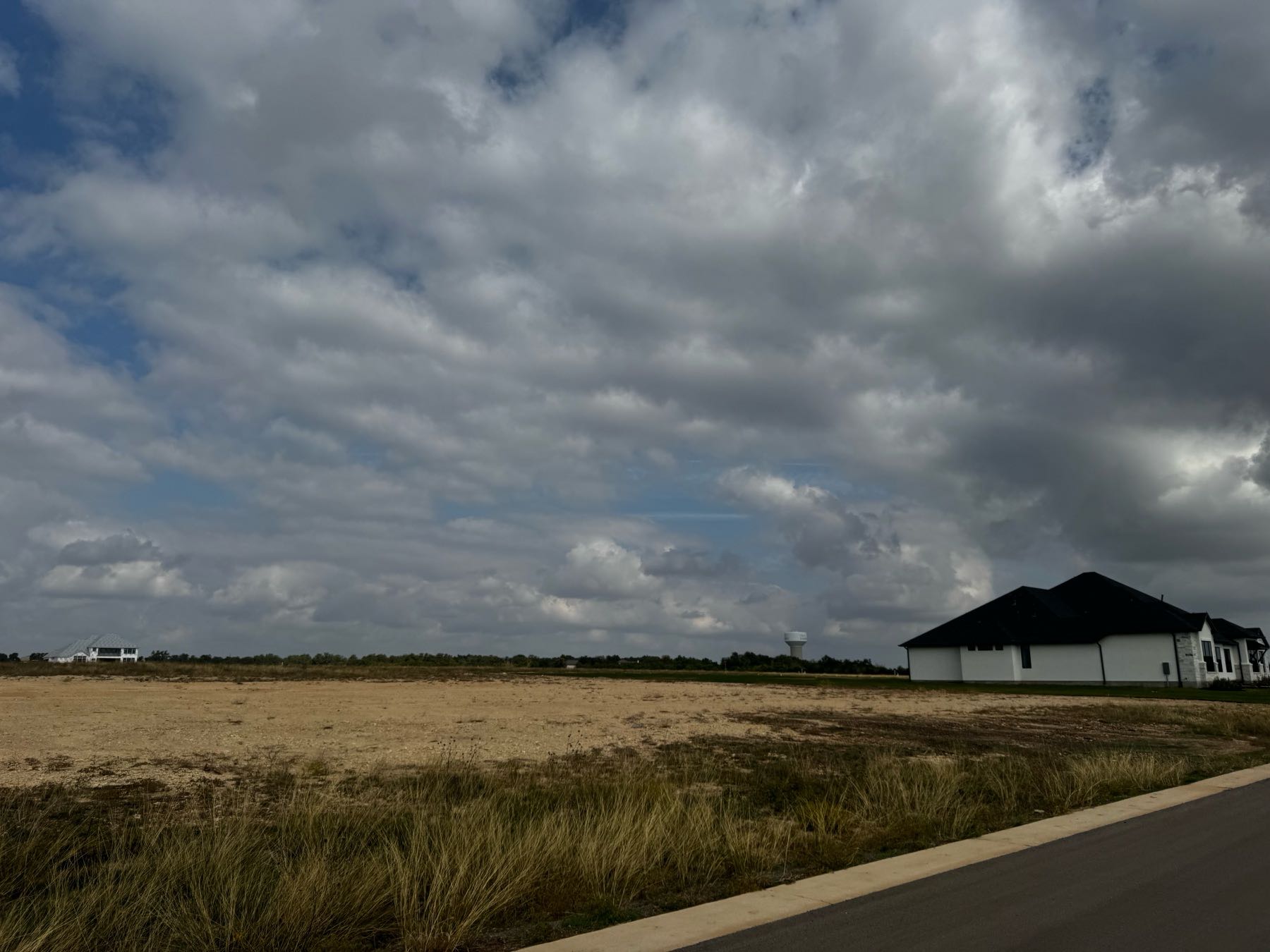
Infrastructure visible in new development areas — water towers, utility lines — is often funded through MUD or PID districts that become part of your annual cost of ownership.
MUD taxes, PIDs, and HOAs on new construction
Most new construction communities in Kyle, Georgetown, Leander, and Pflugerville sit within the boundaries of a Municipal Utility District (MUD) or a Public Improvement District (PID). Both exist to fund infrastructure — roads, water and sewer lines, drainage systems, lift stations, utilities — but they work differently, and that difference matters for how you research a property before you buy.
MUD taxes: included in your property tax rate
Here's how MUDs work. The builder installs all of that infrastructure to develop the land. Rather than absorbing those capital costs directly, the builder transfers the debt to a MUD, which the municipality then authorizes to levy taxes on all properties within its boundaries until the infrastructure debt is paid off. You, as the homebuyer, acquire a property in that MUD and become responsible for paying a portion of that debt through your annual property tax bill, year after year, for as long as the MUD debt remains outstanding.
The key thing to understand about MUD taxes: they are rolled into the certified property tax rate for the address. When you look up a property on the Hays County, Williamson County, or Travis County appraisal district website, the MUD levy appears as one of the line items that makes up the total rate. It makes your effective tax rate higher than an established neighborhood without a MUD — meaningfully higher — but a buyer who looks up the tax rate for a specific address will see it. MUD taxes are visible if you look.
MUD tax rates in new Austin-area communities currently range from roughly $0.50 to $1.20 per $100 of assessed value, on top of the base county and city rates. Here's what that means for your monthly housing cost:
| Home Value | MUD Rate | Annual MUD Tax | Monthly Addition |
|---|---|---|---|
| $350,000 | $0.50/$100 | $1,750 | $146/mo |
| $350,000 | $1.00/$100 | $3,500 | $292/mo |
| $450,000 | $0.50/$100 | $2,250 | $188/mo |
| $450,000 | $1.00/$100 | $4,500 | $375/mo |
| $540,000 | $0.75/$100 | $4,050 | $338/mo |
That additional $150 to $450 per month is a cost that does not appear on the builder's payment summary sheet. It shows up on your property tax bill, which is typically escrowed into your monthly mortgage payment. Many buyers discover this cost after closing, when their lender adjusts their escrow account.
PID fees: a separate charge not in your tax rate
PIDs are a different animal, and this is where buyers most often get caught off guard. A Public Improvement District assessment is not a tax rate — it is a separate annual fee levied against properties within the district. It does not appear in the certified tax rate that shows up on county appraisal district websites, and it is not included in the escrow calculation a lender uses when estimating your monthly payment.
A buyer could research a property's tax rate thoroughly, confirm it with the county, run all the payment math, and still have no idea a PID fee exists — because it won't show up in any of that. PID assessments typically appear as a separate line item on the annual bill, and the amounts can be substantial, often $1,000 to $3,000 or more per year depending on the district and the outstanding assessment balance.
Before signing any purchase contract, ask specifically and separately: "Is there a Public Improvement District assessment on this property, and if so, what is the current annual fee?" That is a different question from asking about the tax rate, and it requires a different answer. The builder is required to disclose PID information, but buyers who don't know to ask for it often don't find out until after closing.
Before you sign a purchase contract, ask the builder's sales representative for the current certified tax rate for that specific lot, broken down by taxing entity, and ask separately whether any PID assessment applies. You can look up MUD tax rates by searching the Hays County, Williamson County, or Travis County appraisal district websites for the property address, but PID information must be requested directly.
Homeowners associations are the other layer. Most master-planned communities in the Austin suburbs carry HOA fees between $45 and $150 per month. Communities with substantial amenity centers, pools, hike and bike trails, or fitness facilities sometimes run higher. Read the HOA documents, including the reserve fund disclosures, before closing, not after. HOA fees can increase, and understanding the financial health of the association matters.
Homestead exemption timing and the first-year tax surprise
Texas homeowners who occupy their home as their primary residence are entitled to a homestead exemption, which reduces the taxable assessed value of the property and caps annual assessment increases at 10%. This exemption is genuinely valuable over time. The issue for new construction buyers is the timing.
In the year you purchase a new construction home, the county appraisal may reflect the land value rather than the completed home value, depending on when the home was completed relative to the appraisal date. Then in the following year, the appraisal can adjust significantly upward to reflect the completed home, and if you haven't yet filed your homestead exemption, you're paying the new assessed value without the cap protection.
File your homestead exemption application as early as January 1 of the year following your closing. The Hays County Appraisal District, the Williamson Central Appraisal District, and the Travis Central Appraisal District all accept applications online. Missing this deadline by even a few months can cost several hundred dollars in your first full year of ownership.
Want the full tax breakdown before you make an offer?
We can pull the certified tax rate, MUD levy, and any PID assessment for any specific lot you're considering — so you know your real monthly cost before you sign.
Let's Look at the Numbers →New Construction vs. Resale: The 5-Year Cost Comparison
One of the most useful exercises you can do when evaluating a new construction purchase is to build a true five-year cost comparison against a comparable resale home in an established neighborhood. The purchase price is only one input, and often not the most important one.
Here's a realistic comparison: a $450,000 new construction home in a Georgetown community with a MUD versus a $450,000 resale home in an established Georgetown neighborhood without a MUD, both purchased with 10% down at a 6.5% market rate.
| Cost Factor | New Construction | Resale |
|---|---|---|
| Base monthly P&I (6.5%, 10% down) | $2,559 | $2,559 |
| Year 1 payment with 2-1 buydown | $2,053 | N/A |
| Year 2 payment with 2-1 buydown | $2,300 | N/A |
| Buydown savings, years 1-2 | +$9,180 | $0 |
| MUD tax at $0.75/$100 (annual) | $3,375/yr | $0 |
| MUD tax over 5 years | $16,875 cost | $0 |
| HOA (estimate) | $85-$120/mo | $25-$50/mo |
| HOA over 5 years | $5,100-$7,200 | $1,500-$3,000 |
| Maintenance reserve | Lower in years 1-3 | $1,800-$3,600/yr |
In this scenario, the 2-1 buydown saves roughly $9,180 over two years. The MUD tax costs an additional $16,875 over five years, a net negative of $7,695 from MUD alone before accounting for HOA differences. When you factor in that resale buyers in established neighborhoods also benefit from lower ongoing HOA fees and may have more room to negotiate on purchase price, the math gets complicated quickly.
This doesn't mean resale is always the better choice. New construction comes with builder warranties, energy-efficient construction that reduces utility costs, modern floor plans, and the ability to make selections from the start. Those benefits have real value. The point is that the full cost picture has to include all the costs, not just the ones on the builder's payment worksheet.
The comparison looks different at every price point and in every community. Running it for your specific situation, with the actual MUD rate for the specific lot you're considering, is worth doing before you make a decision.
What You Can Actually Negotiate With Austin Builders
One of the most persistent myths about new construction is that nothing is negotiable. That's only partially true, and knowing where the real flexibility lies can make a meaningful difference in your final deal.
What's typically firm
Base prices on to-be-built homes in active communities are largely held firm by builders, and for the comps protection reasons discussed earlier, that's unlikely to change. Lot premiums on desirable lots, corner lots, those backing to green space, or cul-de-sac positions, are also usually fixed. Structural options on to-be-built homes, adding a bedroom, changing a roofline, are priced at cost-plus and builders don't typically negotiate on those either.
Where the real flexibility lives
The incentive package itself is where negotiations happen, and the flexibility is more significant than most buyers realize. Builders have an incentive budget allocated per home, and how that budget is deployed is sometimes more flexible than the sales rep's opening position suggests.
If you care more about a rate buydown than an upgrade allowance, ask to redirect dollars from one to the other. If you have your own outside lender and don't want to use the preferred lender, ask whether the builder can offer a cash-equivalent credit in lieu of the financing incentive. Sometimes the answer is yes; sometimes there are structural reasons it can't work that way, but it's always worth asking.
Standing inventory homes, those already built or at completion stage, offer the most leverage. A builder carrying a finished home has real carrying costs: property taxes, insurance, maintenance, and the cost of capital sitting in an unsold asset. That pressure gives buyers more room to negotiate, and it's not unusual to get a meaningfully better overall package on standing inventory than on a to-be-built contract.
End-of-quarter timing is also worth knowing about. National builders typically operate on quarterly sales targets, and a buyer who can close before the end of a quarter sometimes finds the builder more willing to improve terms. This isn't guaranteed, but if you're in late discussions in March, June, September, or December, it's worth understanding the dynamic.
Perks Worth Asking For Beyond a Credit or a Rate Buydown
Because builders protect their base prices, the most useful question is often not "can you lower the price" but "what can you add to the home at the price we agree on?" Perks can be easier for a builder to approve, because they do not lower the recorded sale price that future buyers and appraisers see in the neighborhood's comps.
Here are the items worth putting on your list. None of them is guaranteed, and what a builder will include varies by community, floor plan and how much inventory they are carrying.
- Appliances: A refrigerator, washer and dryer may not be part of the base package. Ask whether they can be added to the contract, and get the brand and model in writing.
- Window blinds: Window coverings for a whole house are a real expense after closing. Ask whether the builder will install them before you move in.
- Fencing and landscaping: Check what the base contract includes for fencing, sod, irrigation and plantings, and ask for upgrades such as a full fence or a gate.
- Flooring and finish upgrades: Ask for better flooring, countertops or lighting instead of a general credit. On a finished home, ask what has already been installed and whether more can be added before closing.
- Electrical and smart-home extras: Ask about garage door openers, extra outlets, ceiling fans, a garage outlet for an electric vehicle and a smart-home package.
To compare a perk with a plain closing cost credit or a rate buydown, ask the builder to put each one in writing with a specific description or dollar value. A perk you would have bought anyway is worth full value to you. A perk you would not use is worth less than the credit it replaced.
Get every perk into the purchase agreement or an addendum, with the brand, model or description and the completion date. A verbal promise from a sales representative does not protect you if the sales team changes before closing.
Why bringing your own agent matters
Your buyer's agent's commission on a new construction purchase is paid by the builder, not by you, and it's already factored into the builder's pricing model whether or not you bring an agent. Choosing not to be represented doesn't save you money. It simply means the builder's sales agent, who is legally representing the builder's interests, is the only real estate professional at the table. See our full breakdown of why you need your own buyer's agent for new construction.
A buyer's agent with experience in Austin's new construction market knows which builders have more flexibility, which communities have been sitting longer, how to read a builder contract for terms that don't serve buyer interests, and what a fair incentive package actually looks like relative to the market. That knowledge is worth more than any commission calculation.
Before you sign a new construction contract, reach out and we'll walk through the offer with you — no obligation. We can run a side-by-side comparison of what you're being offered against what the market looks like right now. Let's talk before you sign.
The Four Submarkets Where Incentives Are Strongest Right Now
Kyle
Kyle sits in Hays County south of Austin and has seen some of the most aggressive construction activity in the metro over the past three years. The $300,000 to $450,000 price range is well-represented here, with several major builders running active communities. Kyle has more standing inventory relative to demand than some other suburbs, which creates genuine buyer leverage, particularly on homes that have been complete for 60 days or more.
The MUD and PID landscape in Kyle is one of the more complex in the Austin area, with multiple overlapping districts in different parts of the city. The total effective property tax rate on a new Kyle home can vary significantly depending on exactly where the lot sits, making it especially important to verify the full tax rate breakdown on any specific address before you make an offer.
Parts of Kyle fall within USDA Rural Development eligibility boundaries. If you're targeting the $300,000 to $380,000 price range and your household income is within USDA limits, that option is worth checking before defaulting to builder financing.
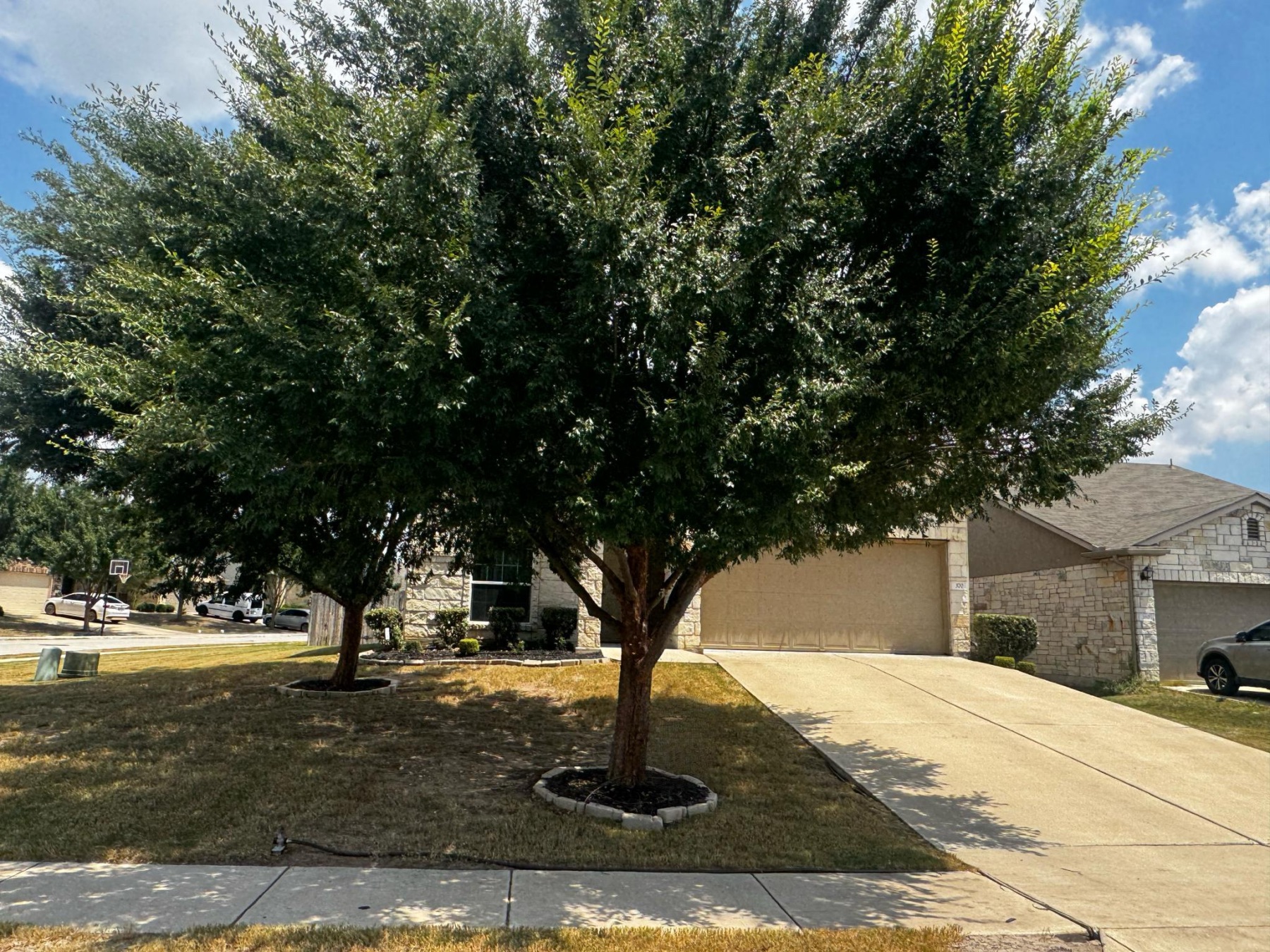
Kyle has been one of Austin's most active new construction markets, with strong builder activity in the $300,000–$450,000 range.
Georgetown
Georgetown is in Williamson County north of Austin and has been one of the fastest-growing cities in the country for several consecutive years. Builder activity is concentrated in large master-planned communities in the eastern and northeastern sections of the city, where land was more available and less expensive.
The incentive packages in Georgetown tend to be competitive because of the number of communities directly competing for the same buyer pool. When four or five builders are all selling homes in the same general area of the same city, they watch each other's incentive packages closely and tend to match or improve on competitive offers.
Georgetown's property tax environment requires attention. Williamson County rates, combined with MUD or PID rates in some Georgetown communities, can produce total effective property tax rates above 3% of assessed value. On a $450,000 home assessed at full value, a 3% total rate means $13,500 per year in property taxes, or $1,125 per month escrowed. Run the math on the specific address, not just a general estimate.
Leander
Leander is in Williamson County and has a characteristic that sets it apart from the other three submarkets: access to the MetroRail Red Line, which connects to downtown Austin. For buyers who commute to central Austin employment centers, that transit access is a real quality-of-life factor worth quantifying in your decision.
Builder activity in Leander spans a range of price points, roughly $330,000 on the entry side to $650,000 and above in some communities. Several established sections of Leander are no longer within active MUD boundaries, which favorably affects the long-term property tax picture compared to newer developments. When you're evaluating a specific community in Leander, ask specifically about the MUD status of that particular section.
Incentive availability in Leander varies more by community than it does in Kyle or Georgetown, largely because absorption rates differ across the city. Communities with strong amenity packages and proximity to the MetroRail station tend to have less inventory pressure and therefore less incentive motivation. Communities farther from transit access tend to offer more.
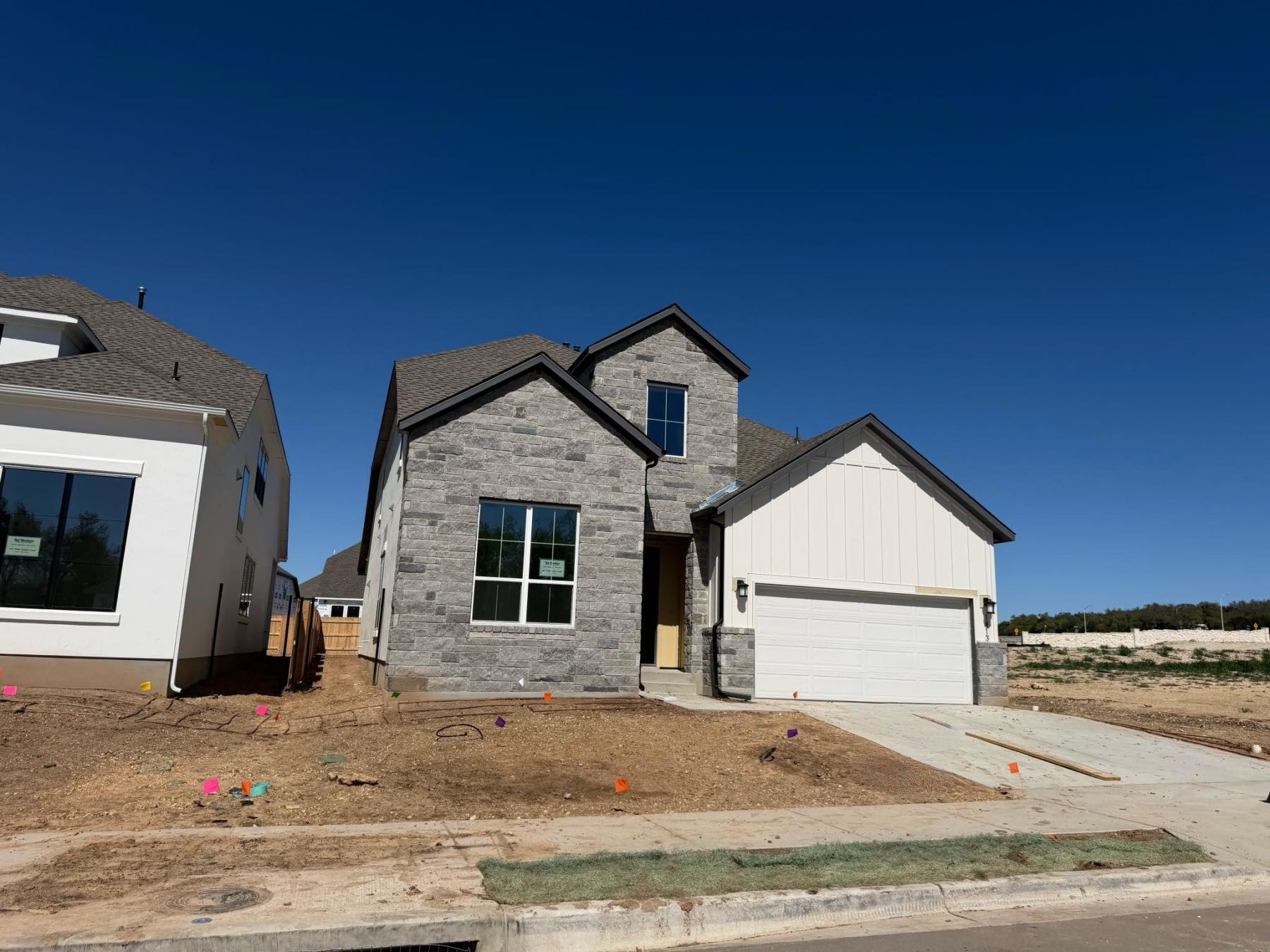
Leander communities like Wildspring offer access to the MetroRail Red Line — a real differentiator for buyers who commute to central Austin.
Pflugerville
Pflugerville is in Travis County, and that county location is more significant than it might appear. Travis County's base property tax rates are generally lower than those in Williamson and Hays counties, which can make a meaningful difference in the ongoing monthly cost of homeownership even when purchase prices are comparable.
Builder activity in Pflugerville has been somewhat more moderate than in Georgetown or Kyle, which tends to mean less inventory overhang and, in some communities, less incentive pressure. If you're specifically looking for a deeply discounted deal, Pflugerville may not be the best market. If you're looking for a stable long-term property tax environment with good access to north Austin employment corridors, it deserves a serious look.
Some portions of Pflugerville are within USDA Rural Development eligibility boundaries, which is underutilized by buyers in that area. Check the specific address on the USDA eligibility map if you're targeting price points where USDA financing would be competitive.
Incentives in all four of these submarkets change frequently, and what a builder offered last month may be different from what they're offering today. The best way to know what's current in your target area is to work with someone who is actively tracking those communities.
Frequently Asked Questions About Austin Builder Incentives
What builder incentives are available in Austin right now?
Builders in the Austin metro are currently offering rate buydowns, closing cost credits, upgrade allowances, and no-down-payment financing programs. The specific availability and terms vary significantly by builder, community, and the time of year. Incentives change frequently as builders adjust to inventory levels and market conditions. The most reliable way to find out what's available in a specific area is to work with a buyer's agent who is actively tracking those communities.
Are builder rate buydowns worth it?
A rate buydown can represent genuine value, but whether it's worth it depends on your specific situation. A 2-1 buydown on a $450,000 home at current rates saves roughly $9,000 over the first two years. If you plan to stay in the home through the buydown period and the builder's preferred lender offers competitive terms, that's real money. If you're likely to refinance within two years anyway, or if the preferred lender's base rate is higher than what you could get independently, the value diminishes. The math is specific to your loan amount, rate environment, and holding period.
Can I use my own lender with a builder in Austin?
Yes, you can typically use your own lender. However, many builder incentive packages, including rate buydowns, are tied to using the builder's preferred lending affiliate. If you choose an outside lender, you may forfeit some or all of the incentive. The right move is to get a Loan Estimate from the preferred lender and compare it against at least one outside lender before making a decision. Compare the APR, which captures total loan cost, not just the interest rate.
What is a 2-1 buydown and how does it work?
A 2-1 buydown is a temporary interest rate reduction that the builder funds at closing. Your interest rate is reduced by 2 percentage points in year one and 1 percentage point in year two, then returns to the full market rate for the remaining life of the loan. On a 6.5% market rate, you'd pay 4.5% in year one and 5.5% in year two. The builder pays a lump sum to the lender upfront to fund the savings you receive.
Do I need a real estate agent to buy new construction in Austin?
You don't legally need one, but builder-paid buyer's agent commission is negotiated case by case, not automatic. Your buyer representation agreement spells out exactly how your agent is compensated on a new construction purchase, whether that comes from the builder or elsewhere. The builder's sales representative works for the builder. Your buyer's agent works exclusively for you, reviews the contract on your behalf, and has no incentive to steer you toward terms that benefit the builder.
What are MUD taxes and PID fees, and how are they different?
MUD (Municipal Utility District) taxes are levied by a special taxing district created to fund infrastructure in new developments. Importantly, MUD taxes are included in the certified property tax rate for the address — so when you look up the tax rate on a county appraisal district website, the MUD levy is part of that number. In Kyle, Georgetown, Leander, and Pflugerville, MUD rates typically add $0.50 to $1.20 per $100 of assessed value on top of the base county and city rates. On a $450,000 home, that runs from $2,250 to $5,400 per year.
PID (Public Improvement District) fees are different: they are a separate annual assessment that is not included in the certified tax rate. A buyer who looks up the tax rate will not see the PID fee — it must be asked for specifically. PID assessments can add $1,000 to $3,000 or more per year to your ownership costs. Always ask about both separately before signing a purchase contract.
Can builder incentives be combined with Texas down payment assistance programs?
In some cases, yes. Programs through the Texas State Affordable Housing Corporation (TSAHC) and the Texas Department of Housing and Community Affairs (TDHCA) can be stacked with builder credits depending on the loan type and program rules. These programs are income-limited, but the limits cover a meaningful range of buyers at current Austin-area price points. A lender who participates in both programs can tell you quickly whether you qualify and whether the combination is available on a specific property.
What's the difference between a closing cost credit and a rate buydown?
A closing cost credit reduces what you pay at closing by offsetting line items on your settlement statement, such as loan fees, title charges, and prepaid costs. It's a one-time benefit that affects what you bring to closing. A rate buydown reduces your monthly mortgage interest rate for a set period, lowering your payment during those years. Both represent real money from the builder's incentive budget, but they benefit you at different points in time and serve different financial needs.
Making the Most of Austin's New Construction Market in 2026
The incentive environment in Austin's new construction market right now is genuine, and for buyers who understand how to evaluate offers, there are real deals to be made. Builders in Kyle, Georgetown, Leander, and Pflugerville are motivated in ways that don't come around often. Rate buydowns, closing cost credits, and flexible incentive packages are available because builders need to move inventory, and that leverage belongs to you.
The buyers who come out ahead are the ones who go in with a clear picture of what each incentive type actually delivers and what the full cost of ownership actually looks like. A rate buydown that saves $9,000 over two years is valuable, and a MUD tax that costs $17,000 over five years needs to be in the same calculation. The builder's one-page payment summary doesn't include both.
Get the specific tax rate on any lot you're serious about. Understand whether your closing cost credit applies to your settlement statement or only to the design center. Run a Loan Estimate comparison if you're being pushed toward the preferred lender. And before you sign anything, make sure someone is at the table who is working for your interests.
Eleven Oaks Realty has been helping buyers and sellers since 1978. Rebecca Jacks, Broker Associate, CRS, ABR, SFR, has been helping Austin-area buyers work through exactly these decisions for nearly 20 years. If you're considering new construction in Kyle, Georgetown, Leander, or Pflugerville and want an honest look at what you're being offered and how it compares to the market, reach out before you sign.
We've helped buyers pull $20,000 to $40,000 in additional value out of new construction negotiations across the Austin suburbs.
If you're evaluating an offer right now — or just starting to look — let's talk before you walk into a model home. We'll review the incentive package, run the real cost comparison, and make sure you're negotiating from a position of strength.
Start the Conversation →Rebecca Jacks is a Broker Associate, CRS, ABR, and SFR at Eleven Oaks Realty in Austin, Texas. She has been helping buyers and sellers in the Austin metro area since 2007.




Leave a Reply