
Introduction: Why Understanding Austin's Architecture Matters for Home Buyers
When you're searching for the perfect home in Austin—whether you're relocating from another state, upgrading your current living situation, or exploring what this dynamic city has to offer—understanding Austin architectural styles becomes more than just an aesthetic consideration. It's your key to making informed decisions, recognizing true value, and finding a home that perfectly aligns with your lifestyle and long-term goals.

Austin's real estate landscape reflects the city's unique character: eclectic, innovative, and deeply rooted in both tradition and forward-thinking design. Here, turn-of-the-century bungalows share tree-lined streets with sleek urban modern builds, while Hill Country estates rise majestically from rolling limestone hills, and transitional luxury homes seamlessly blend timeless elegance with contemporary functionality.
Each neighborhood in Austin tells its own architectural story. From Hyde Park's charming streets lined with Craftsman cottages to East Austin's bold modern infill developments, the style of homes in each area reflects the community's history, values, and lifestyle preferences. Understanding these patterns will help you navigate Austin's diverse housing market with confidence and clarity.
Whether you're drawn to the rich character of an historic home, the clean lines and functionality of mid-century design, or the open, light-filled spaces that define modern Hill Country living, knowing the key features of each style—and where to find them—will make your home search far more strategic and successful.
This comprehensive Austin home styles guide serves as your insider's resource to the city's most iconic architectural styles, both historic and contemporary, and reveals how these styles shape neighborhoods, influence lifestyle choices, and impact real estate decisions across the greater Austin metropolitan area.

1. Historic Foundations: Early Austin Architecture That Defines Character
Before Austin evolved into the tech-driven cultural powerhouse we know today, it was a charming Central Texas town where architecture emphasized craftsmanship, attention to detail, and connection to place. These historic homes, typically dating from the late 1800s through the 1930s, remain among the most beloved and sought-after properties in Central Austin's established neighborhoods.
Craftsman Bungalows: Austin's Quintessential Historic Home Style
Perhaps no architectural style is more closely associated with early 20th-century Austin than the Craftsman bungalow. Built primarily between 1900 and 1930, these homes were designed as a celebration of simplicity, skilled craftsmanship, and natural materials—representing a thoughtful reaction against the ornate excesses that characterized the Victorian era.
Key Identifying Features:
- Broad, welcoming front porches supported by distinctive tapered columns
- Low-pitched gabled roofs featuring wide eaves and exposed rafters
- Built-in cabinetry, cozy fireplaces, and original hardwood trim throughout interiors
- Typically 1 to 1.5 stories in height, ranging from 1,000 to 1,800 square feet
- Emphasis on horizontal lines and integration with the surrounding landscape
- Original hardwood floors, often featuring intricate inlay patterns
- Built-in breakfast nooks and window seats that maximize functionality
Prime Locations: Hyde Park stands as Austin's premier neighborhood for Craftsman bungalows, alongside Travis Heights, Clarksville, and portions of Bouldin Creek. Many of these homes have been lovingly restored while others have been sensitively updated with modern amenities that respect their historic character.
Why Today's Buyers Choose Them: Craftsman homes deliver unmatched charm combined with highly walkable, central locations—often within easy reach of parks, local cafes, and downtown Austin. Their human-scaled proportions and solid construction quality make them ideal for buyers seeking a genuine piece of Austin history without the overwhelming maintenance requirements often associated with much older properties.
Investment Considerations: These homes typically hold their value exceptionally well due to their desirable locations and timeless appeal. However, buyers should budget for potential updates to electrical, plumbing, and HVAC systems, as well as periodic maintenance of original architectural features.

Victorian & Queen Anne: Ornate Elegance from Austin's Founding Era
While relatively rare in today's market, Austin still features several remarkable Victorian and Queen Anne-style homes, particularly in areas near downtown and the University of Texas campus. These architectural gems, dating from the late 1800s and early 1900s, are characterized by their elaborate detailing and romantic, storybook presence that commands attention.
Key Identifying Features:
- Wraparound porches adorned with decorative spindlework and gingerbread trim
- Distinctive turrets, bay windows, and steeply pitched rooflines
- Vibrant color palettes and intricate trim details that highlight architectural elements
- Asymmetrical facades that create visual interest and character
- Ornate brackets, corbels, and decorative millwork
- Tall, narrow windows often featuring stained or etched glass
- Multiple roof angles and complex rooflines
Prime Locations: Look to Old West Austin, Judge's Hill, and select corners of Travis Heights to discover preserved Victorian treasures that have survived Austin's rapid development.
Why Today's Buyers Choose Them: These homes serve as true architectural showpieces—ideal for buyers who deeply value historical significance, artistic craftsmanship, and timeless curb appeal. Their rarity in the Austin market often translates to strong resale demand and excellent long-term investment potential.
Maintenance Considerations: Victorian homes require specialized maintenance and restoration expertise. Buyers should work with contractors experienced in historic preservation to maintain these homes' integrity and value.

Colonial Revival & Tudor Revival: Timeless Elegance Meets Livability
During the early 20th century, Austin's growing middle and upper classes embraced revival styles that drew inspiration from European architectural traditions and America's colonial heritage. Colonial Revival homes brought symmetry and classical proportions to Austin neighborhoods, while Tudor Revival homes evoked the charm of English cottages and manor houses.
Colonial Revival Features:
- Symmetrical facades with centered front doors creating balanced compositions
- Multi-pane double-hung windows arranged in orderly patterns
- Brick or wood clapboard exteriors with classic proportional relationships
- Simple, elegant rooflines often featuring dormers
- Formal dining rooms and living spaces with traditional layouts
- Crown molding and other classical interior details
Tudor Revival Features:
- Steeply pitched gables and decorative half-timbering that creates visual texture
- Mixed brick and stone masonry work demonstrating skilled craftsmanship
- Tall, narrow windows and arched doorways that enhance the medieval aesthetic
- Complex rooflines with multiple gables and intersecting planes
- Leaded glass windows and heavy wooden doors
- Cozy interior spaces with exposed beams and built-in bookcases
Prime Locations: Pemberton Heights, Old Enfield, and established areas of Tarrytown showcase exceptional examples of these stately homes, many of which have been meticulously maintained by generations of proud homeowners.
Why Today's Buyers Choose Them: These architectural styles successfully combine historical charm with practical, livable layouts and generous lot sizes—often situated in Austin's most prestigious and well-established central neighborhoods. They offer excellent long-term value retention and strong community appeal.

2. Mid-Century and Post-War Homes: Austin's Suburban Evolution
Following World War II, Austin experienced rapid population growth and suburban expansion, bringing with it new architectural approaches that emphasized simplicity, functionality, and seamless connection to outdoor spaces. These homes, built primarily during the 1950s through 1970s, continue to represent a significant and beloved portion of Austin's residential landscape.
Mid-Century Modern: Timeless Design Meets Contemporary Living
Celebrated worldwide for their enduring appeal and highly livable design principles, mid-century modern homes focus on simplicity, natural materials, and the seamless integration of indoor and outdoor living spaces. These architectural gems have experienced a major resurgence in popularity among Austin buyers.
Key Identifying Features:
- Flat or low-sloped rooflines that create clean, horizontal lines
- Expansive walls of glass that flood interiors with natural light
- Open floor plans that eliminate unnecessary barriers between living spaces
- Integration with surrounding landscape through thoughtful siting and design
- Exposed structural beams and extensive use of natural wood finishes
- Post-and-beam construction that allows for flexible interior layouts
- Emphasis on bringing the outdoors inside through large sliding glass doors
- Built-in furniture and storage solutions that maximize functionality
Prime Locations: Allandale, Barton Hills, Northwest Hills, and Windsor Park serve as hotspots for authentic mid-century modern homes—many of which have been thoughtfully updated with modern kitchens and energy-efficient systems while preserving their original character.
Why Today's Buyers Choose Them: Mid-century homes feel simultaneously classic and thoroughly contemporary. Their emphasis on natural light, spatial flow, and openness makes them perfectly suited to today's lifestyle preferences, while their quality construction and timeless design ensure long-term appeal.
Modern Updates: Many of these homes have been sensitively renovated to include updated electrical systems, modern appliances, and improved insulation while maintaining their architectural integrity.

Ranch-Style Homes: Practical Design for Modern Family Living
During the 1950s and 1960s, Austin—like communities across America—embraced the ranch-style home as the ideal solution for growing suburban families. These single-story homes prioritized practicality, ease of construction, and layouts that supported modern lifestyles.
Key Identifying Features:
- Low-profile, single-story designs that emphasize horizontal lines
- Attached garages that provide convenient access and storage
- Open living spaces that facilitate daily family life
- Sliding glass doors leading directly to private backyard spaces
- Simple rooflines and straightforward exterior materials
- Efficient floor plans that minimize hallway space
- Large windows that provide ample natural light throughout
- Flexible room layouts that can adapt to changing needs
Prime Locations: Circle C, various neighborhoods throughout South Austin, and established communities like Brentwood and Cherry Creek feature classic ranch homes, many of which have been extensively remodeled with modern finishes and expanded living spaces.
Why Today's Buyers Choose Them: Ranch homes offer exceptional adaptability, relative affordability compared to newer construction, and easy maintenance—making them an excellent entry point for buyers who value spacious living and practical design. Their single-level layouts are particularly appealing to buyers planning for aging in place.
Renovation Potential: These homes offer excellent opportunities for customization and expansion, with many owners adding master suite additions, updating kitchens, or creating open-concept living areas.
Atomic Age & Googie Influences: Retro Character with Modern Appeal
Though less common in Austin's architectural landscape, some mid-century homes showcase the playful Atomic Age design elements that reflected the space-age optimism of the era: dramatic rooflines, starburst motifs, and bold geometric shapes that created visual excitement.
Key Features:
- Dramatic angular rooflines that create striking silhouettes
- Geometric patterns and starburst motifs in decorative elements
- Bold color schemes and contrasting materials
- Innovative use of new building materials like aluminum and steel
- Space-age inspired interior design elements
- Unique window shapes and arrangements
Prime Locations: Scattered throughout pockets of Central Austin, Windsor Park, and various older subdivisions across the metropolitan area.
Why Today's Buyers Choose Them: These homes stand out for their distinctive retro character and forward-thinking design spirit—especially appealing to buyers seeking a truly one-of-a-kind property that makes a statement about their personal style and appreciation for design history.
3. Contemporary Austin Styles: Innovation Meets Hill Country Living
As Austin has evolved into a globally recognized technology hub and cultural destination, its residential architecture has evolved to reflect modern lifestyles, environmental consciousness, and the unique character of Central Texas. Today's new construction emphasizes open floor plans, sustainability, seamless indoor-outdoor living, and thoughtful integration with the natural Hill Country landscape.

Modern Farmhouse: Contemporary Comfort with Rustic Charm
The modern farmhouse has emerged as one of Austin's most popular and widely built home styles—successfully blending classic rural design elements with clean, contemporary lines and modern amenities. This style appeals to buyers seeking both character and convenience.
Key Identifying Features:
- Gabled metal roofs and board-and-batten exterior siding
- Open floor plans designed for modern family living
- Abundant natural light through strategically placed windows
- Shiplap accent walls, exposed ceiling beams, and designer kitchens
- Large kitchen islands that serve as family gathering spaces
- Covered porches and outdoor living areas
- Mixed materials including wood, stone, and metal
- Neutral color palettes that feel both timeless and current
- Mudrooms and pantries that support busy lifestyles
Prime Locations: Liberty Hill, Dripping Springs, Leander, and Georgetown feature numerous new neighborhoods and custom home developments showcasing this popular style.
Why Today's Buyers Choose Them: Modern farmhouse homes successfully deliver the best of both worlds—timeless charm combined with all the conveniences and efficiency of new construction. They're particularly appealing to buyers seeking larger lots or semi-rural settings within reasonable commuting distance of Austin's employment centers.
Lifestyle Benefits: These homes are designed for both daily family life and entertaining, with open-concept living areas, gourmet kitchens, and seamless transitions to outdoor spaces.

Texas Hill Country Contemporary: Architecture Inspired by Landscape
A signature Central Texas architectural style, Hill Country contemporary homes embrace the region's spectacular natural beauty through the extensive use of native materials, earthy color palettes, and design elements that maximize indoor-outdoor living opportunities.
Key Identifying Features:
- Limestone or stucco exteriors paired with standing-seam metal roofing
- Expansive windows and sliding glass doors designed to capture Hill Country views
- Large covered patios, outdoor kitchens, and resort-style pools
- Integration with natural topography and existing native vegetation
- Exposed stone and wood elements that connect to the landscape
- Soaring ceilings and open floor plans that feel spacious and airy
- Neutral color schemes that complement natural surroundings
- Energy-efficient design elements suited to Central Texas climate
- Custom millwork and built-ins that maximize functionality
Prime Locations: Dripping Springs, Spicewood, Driftwood, and Lakeway represent prime areas for Hill Country contemporary estates that take full advantage of the region's rolling hills and scenic vistas.
Why Today's Buyers Choose Them: These homes truly feel like an extension of the natural landscape—luxurious yet grounded in place, with layouts specifically designed for entertaining and year-round outdoor living. They represent the ideal marriage of sophisticated design and Texas authenticity.
Investment Appeal: Hill Country contemporary homes consistently hold their value well due to their desirable locations, quality construction, and timeless design approach that won't quickly become dated.
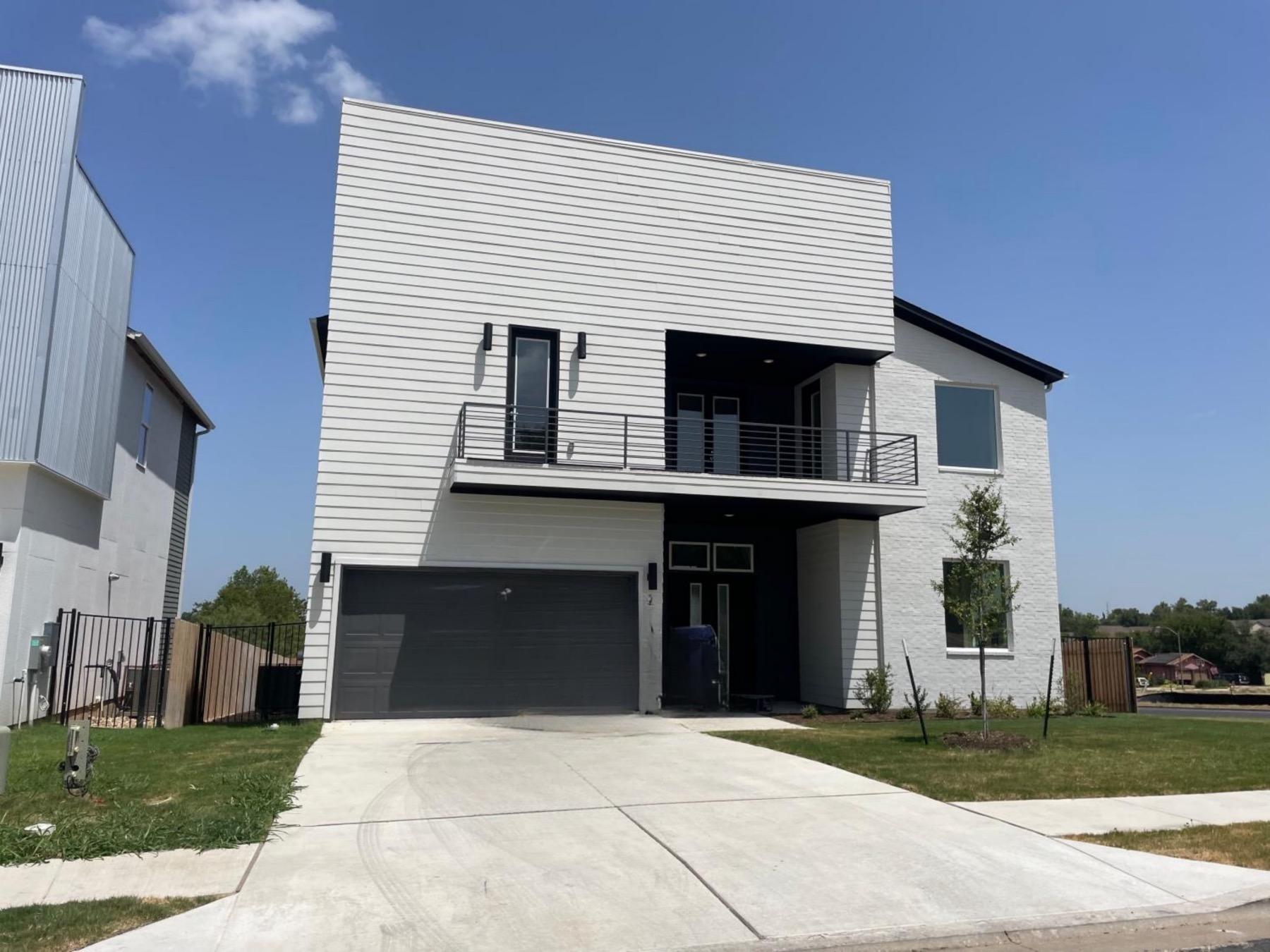
Urban Modern & Industrial: Minimalist Design in the City
In Austin's urban core and close-in neighborhoods, innovative builders and architects are redefining city living through urban modern and industrial-inspired homes. These residences emphasize simplicity, functionality, and creative use of smaller urban lots.
Key Identifying Features:
- Flat roofs, geometric forms, and floor-to-ceiling windows
- Mixed materials including steel, glass, stucco, and reclaimed wood
- Minimalist interiors with open floor plans and clean lines
- Efficient use of space through thoughtful design and built-ins
- Private courtyards and rooftop decks that provide outdoor space
- Energy-efficient systems and sustainable building materials
- Integration of smart home technology
- Parking solutions designed for urban density
- Connection to surrounding streetscape and community
Prime Locations: East Austin, Bouldin Creek, Zilker, and neighborhoods along South Lamar showcase striking modern builds that stand out among the area's historic fabric while respecting the community's character.
Why Today's Buyers Choose Them: These homes offer immediate walkable access to Austin's renowned dining, nightlife, and creative hubs—combined with cutting-edge design and low maintenance requirements. They're ideal for buyers who prioritize location and modern amenities over traditional suburban space.
Urban Lifestyle Benefits: Residents can walk to work, restaurants, and entertainment while enjoying the benefits of new construction and contemporary design.
Luxury Transitional: Timeless Elegance with Modern Functionality
For buyers seeking high-end homes that will remain stylish for decades to come, luxury transitional homes blend classic architectural proportions and materials with contemporary finishes and modern living amenities. This style represents the pinnacle of sophisticated residential design.
Key Identifying Features:
- Symmetrical layouts and traditional rooflines with refined proportions
- Light, neutral color palettes and high-end finishes throughout
- Seamless indoor-outdoor living spaces with disappearing glass walls
- Resort-style amenities including pools, outdoor kitchens, and entertainment areas
- Spacious master suites with spa-like bathrooms and walk-in closets
- Gourmet kitchens with professional-grade appliances and custom cabinetry
- Formal and informal living spaces that support various lifestyle needs
- High ceilings and extensive use of natural materials
- Advanced home automation and security systems
Prime Locations: Westlake, Spanish Oaks, Rough Hollow, and Steiner Ranch feature exceptional examples of luxury transitional estates that represent the height of Austin-area residential design.
Why Today's Buyers Choose Them: Transitional design delivers the familiarity and enduring appeal of classic architecture while providing the flexibility and livability that modern families require. This style consistently appeals to luxury relocators seeking homes that will serve their needs for many years to come.
4. Unique Local Innovations: Architectural Trends That Define Austin
Austin's reputation for creativity, environmental consciousness, and progressive thinking has fostered several unique architectural trends that reflect the city's values and respond to local conditions and lifestyle preferences.

Eco-Friendly & Sustainable Architecture: Building for the Future
With Austin's strong green-building culture and environmental awareness, eco-friendly homes have become increasingly common throughout the metropolitan area—ranging from net-zero energy builds to LEED-certified custom homes that minimize environmental impact while maximizing comfort and efficiency.
Sustainable Features Often Include:
- Solar panel systems and battery storage for energy independence
- Rainwater collection systems that reduce municipal water usage
- Passive solar orientation and advanced insulation for energy efficiency
- Native landscaping that requires minimal irrigation
- Energy-efficient appliances and LED lighting throughout
- Sustainable building materials including bamboo flooring and recycled content
- High-performance windows that reduce heating and cooling costs
- Smart home systems that optimize energy usage
Prime Locations: Sustainable homes can be found scattered throughout Central and East Austin, as well as in forward-thinking master-planned communities like Whisper Valley that prioritize environmental responsibility.
Why Today's Buyers Choose Them: Beyond the obvious environmental benefits, eco-friendly homes offer significantly lower utility costs, improved indoor air quality, and the satisfaction of reducing one's environmental footprint—all without sacrificing style or comfort.
Long-term Value: As energy costs continue to rise and environmental awareness grows, sustainable homes are likely to maintain strong resale value and appeal to future buyers.

ADUs & Backyard Homes: Creative Solutions for Urban Density
Austin's progressive zoning policies actively encourage accessory dwelling units (ADUs)—small, secondary homes built on existing residential lots. These backyard cottages range from minimalist studios to fully functional two-bedroom homes that provide flexible living options.
Common ADU Configurations:
- Studio apartments with efficient layouts and modern amenities
- One-bedroom units suitable for long-term guests or rental income
- Two-bedroom homes that can house extended family members
- Home office spaces with bathroom facilities
- Artist studios or creative workspaces
- Multi-generational living arrangements
Why ADUs Matter for Buyers: ADUs offer remarkable flexibility for multigenerational living arrangements, potential rental income to offset mortgage costs, dedicated home office space, or housing for caregivers—making them a significant selling point for urban buyers seeking maximum property value and versatility.
Prime Locations: East Austin, South Austin, and Crestview are particularly ADU-friendly, with city policies that make permitting and construction relatively straightforward.
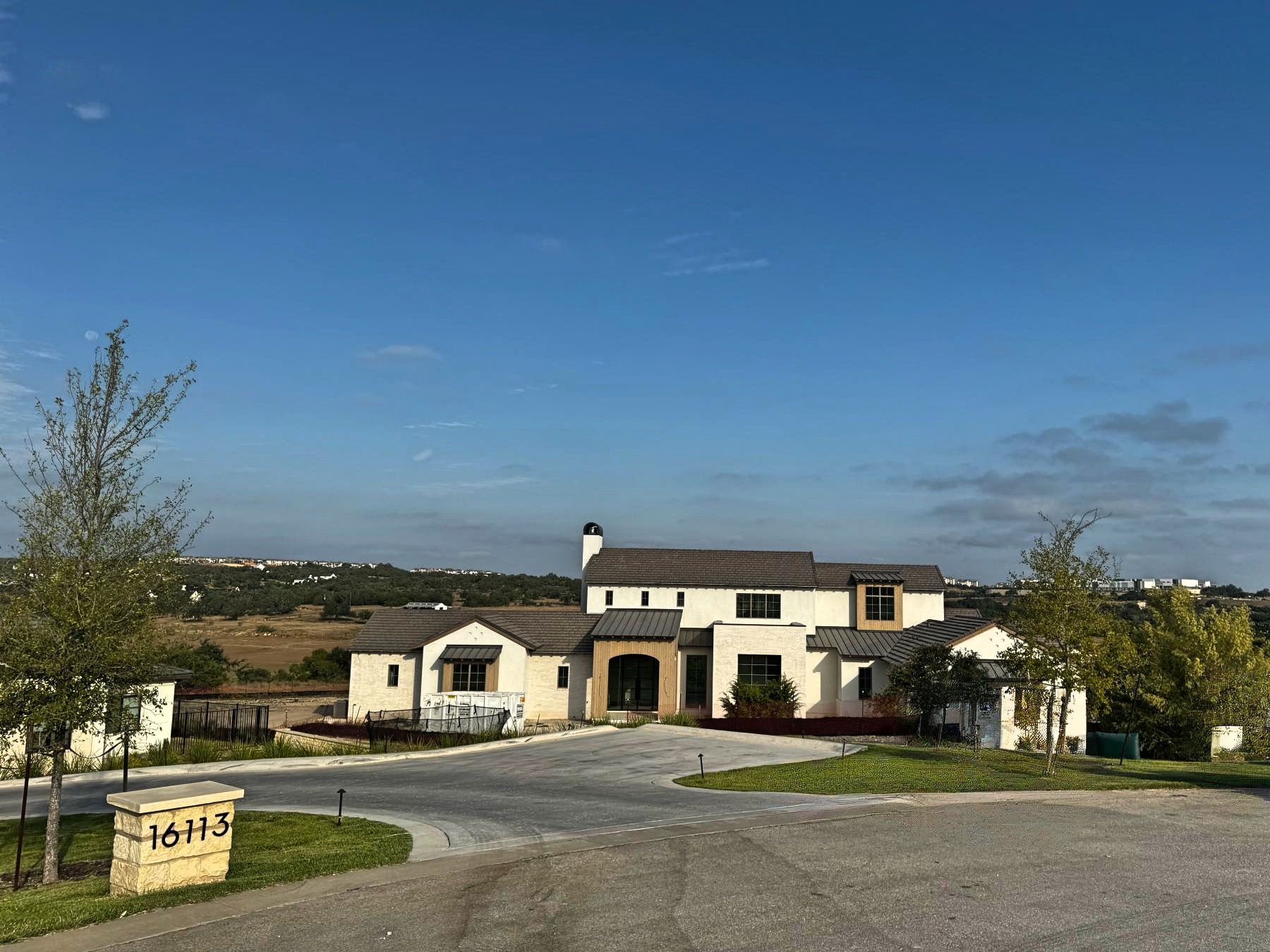
Custom Contemporary Estates: Architectural Art Meets Luxury Living
At the highest end of Austin's residential market, custom-built estates push architectural boundaries through dramatic forms, luxury materials, and completely bespoke design solutions. These homes often blend multiple architectural influences into striking, one-of-a-kind statements.
Distinctive Features:
- Dramatic entry sequences and soaring interior volumes
- Custom millwork and built-in furniture designed specifically for each home
- Resort-quality amenities including infinity pools and outdoor entertainment areas
- Integration of art and architecture through custom lighting and display areas
- Wine cellars, home theaters, and specialized hobby spaces
- Guest houses and staff quarters for luxury living
- Helicopter pads and multi-car garages for high-end convenience
- Extensive landscaping and outdoor sculpture gardens
Prime Locations: Barton Creek, Spanish Oaks, The Peninsula at Rough Hollow, and Seven Oaks represent the premier destinations for custom contemporary estates that showcase cutting-edge architectural design.
Why Buyers Choose Them: These homes represent the ultimate expression of personal taste and lifestyle—ideal for buyers seeking privacy, prestige, and completely unique design that cannot be replicated. They serve as both residence and artistic statement.
5. Quick-Reference Neighborhood Guide by Architectural Style
This comprehensive guide helps you quickly identify which Austin architectural styles are most prevalent in specific neighborhoods and areas:
Hyde Park: Craftsman Bungalows, Colonial Revival, Early 20th-Century Cottages
Travis Heights: Craftsman, Victorian, Historic Bungalows, Modern Infill
Clarksville: Craftsman, Queen Anne, Historic Cottages, Urban Modern
Old Enfield / Pemberton Heights: Colonial Revival, Tudor Revival, Luxury Traditional Estates
Allandale & Barton Hills: Mid-Century Modern, Ranch-Style, Contemporary Updates
Circle C Ranch: Ranch-Style, Transitional, Contemporary Suburban
Brentwood & Windsor Park: Mid-Century, Atomic Age Retro, Renovated Ranch
East Austin: Urban Modern, Industrial, ADUs, Creative Infill
Bouldin Creek & Zilker: Craftsman, Urban Modern, Industrial, Historic Cottages
Liberty Hill / Leander: Modern Farmhouse, Hill Country Contemporary, New Construction
Dripping Springs / Driftwood: Hill Country Contemporary, Modern Farmhouse, Custom Estates
Westlake / Spanish Oaks: Luxury Transitional, Custom Contemporary Estates
Rough Hollow / Lakeway: Hill Country Contemporary, Luxury Transitional, Resort-Style Living

6. Choosing the Right Architectural Style for Your Austin Lifestyle
Your choice of architectural style should align with your lifestyle priorities, maintenance preferences, and long-term goals. Here's how different styles serve various buyer needs:
For Buyers Prioritizing Low Maintenance & Efficiency
Urban Modern / Industrial: Sleek finishes and low-maintenance exteriors make these homes ideal for lock-and-leave living, perfect for frequent travelers or busy professionals.
Eco-Friendly New Builds: Designed and built to minimize both energy consumption and ongoing maintenance requirements while maximizing comfort and functionality.
For Buyers Seeking Space and Functionality
Ranch-Style: Single-level layouts eliminate stairs and provide easy accessibility, making these homes a fit for buyers who want fewer stairs or plan to age in place.
Modern Farmhouse: Spacious, open floor plans and large lots in suburban settings provide ample room for growing families and entertaining.
For Buyers Wanting Natural Light & Indoor-Outdoor Living
Mid-Century Modern: Extensive use of glass and open floor plans create bright, airy interiors that feel connected to surrounding landscape and outdoor spaces.
Hill Country Contemporary: Designed specifically to take advantage of Texas climate and scenery through seamless transitions between indoor living and outdoor entertaining spaces.
For Buyers Drawn to Character and Historic Appeal
Craftsman & Victorian: Rich architectural details, quality craftsmanship, and timeless curb appeal that continues to attract buyers generation after generation.
Colonial & Tudor Revival: Stately presence and classic proportions ensure enduring resale demand and neighborhood desirability.
For Buyers Seeking Luxury & Prestige
Luxury Transitional: Refined, timeless design approach that remains stylish across changing trends while providing all modern conveniences.
Custom Contemporary Estates: High-end finishes, bespoke design solutions, and unique architectural features that create true lifestyle statements.

Final Thoughts: Finding Your Perfect Austin Architectural Match
From the tree-lined historic streets of Hyde Park to the rolling hills of Dripping Springs, Austin's diverse architectural landscape tells the story of a city that honors its past while enthusiastically embracing the future. Whether you're captivated by the enduring charm of a Craftsman bungalow, inspired by the drama of a Hill Country contemporary estate, or drawn to the clean functionality of a modern urban infill home, Austin offers architectural styles to match virtually every taste, lifestyle, and budget.
Understanding Austin's architectural heritage and contemporary trends not only helps you recognize and appreciate what you're seeing during home tours—it also empowers you to refine your search criteria, make more informed decisions, and ultimately discover the home that perfectly supports the lifestyle you want to build in Central Texas.
The right architectural style becomes the foundation for your daily life, influencing everything from maintenance requirements and energy costs to entertainment possibilities and long-term satisfaction with your investment. Take time to consider not just what appeals to you aesthetically, but how different styles will serve your practical needs, lifestyle preferences, and future goals.
Ready to Start Your Home Search?
At Eleven Oaks Realty, we specialize in helping buyers relocating to Austin discover homes that perfectly align with their lifestyle preferences and design sensibilities. Whether you're dreaming of a historic Hyde Park bungalow rich with character, a modern Hill Country retreat with stunning views, or anything in between, our experienced local experts know exactly where to find properties that match your vision.
Our deep understanding of Austin's diverse architectural landscape, combined with our extensive knowledge of neighborhood characteristics and market trends, ensures that your home search is both efficient and successful. We're here to guide you through every step of the process, from initial exploration to final closing, making your transition to Austin as smooth and satisfying as possible.
Contact us today at (512) 827-8323 or info@11OaksRealty.com to schedule a consultation and begin exploring Austin's remarkable architectural diversity. Let us help you find the home that will serve as the perfect backdrop for your next chapter in this vibrant, ever-evolving city.




Leave a Reply